The Role of Professional Drying Equipment in Water Mitigation

Consumer Equipment Cannot Do This Job
After water damage, most homeowners set up box fans and a household dehumidifier and hope for the best. This approach feels productive but falls critically short of what is needed. The visible water on your floor is only a fraction of the total moisture in the structure. Water has already migrated into drywall, subfloor materials, insulation, and wall cavities where consumer equipment simply cannot reach it.
Professional water mitigation uses commercial-grade equipment specifically designed to extract water from structures and create the drying conditions necessary to prevent mold, rot, and permanent material damage.
Commercial Water Extractors
The first step in mitigation is removing standing water as quickly as possible. Professional truck-mounted extractors and portable commercial extractors remove water at rates that consumer wet vacuums cannot approach. A truck-mounted unit can extract hundreds of gallons per hour, dramatically reducing the moisture load in the structure within the first visit.
Weighted extraction tools pull water from carpet and padding without removing them, which can save thousands in replacement costs when performed quickly enough. Sub-surface extraction tools remove water trapped beneath hard flooring like tile and hardwood without requiring demolition.
Commercial Air Movers
Box fans move air across a room. Commercial air movers are engineered to create focused, high-velocity airflow across specific surfaces at angles calculated to maximize evaporation. They direct airflow into wall cavities through baseboards, across wet subfloors beneath removed flooring, and along structural surfaces that need targeted drying.
A typical residential water damage job requires multiple air movers positioned strategically based on the drying plan. The number and placement is determined by moisture mapping, not guesswork.
Commercial Dehumidifiers
A household dehumidifier removes 30 to 70 pints of moisture per day. A commercial LGR (low-grain refrigerant) dehumidifier removes 130 to 190 pints per day and continues performing efficiently as humidity levels drop, which is exactly when household units lose effectiveness.
The dehumidifiers used in professional mitigation create a controlled drying environment that pulls moisture from the air faster than materials release it. This creates a vapor pressure differential that accelerates the drying of structural materials from the inside out. Without this equipment, materials that feel dry on the surface may retain dangerous moisture levels internally for weeks.
Monitoring Equipment
Professional drying is not set-it-and-forget-it. Technicians use penetrating moisture meters to measure moisture content inside walls, flooring, and structural members. Thermal imaging cameras identify moisture concentrations invisible to the naked eye. Hygrometers measure ambient humidity and temperature to confirm the drying environment is optimized.
Daily monitoring ensures the drying plan is working and allows adjustments when conditions change. Equipment is repositioned, added, or removed based on data, not assumptions. Drying is considered complete only when moisture readings return to pre-loss levels, verified by instrumentation rather than touch.
Why This Matters for Your Home
Incomplete drying is the primary cause of secondary damage after water events. Mold begins colonizing damp materials within 24 to 48 hours. Subfloor materials that retain moisture warp, swell, and delaminate. Drywall that is not thoroughly dried develops mold on its backside, hidden inside the wall cavity. These problems surface weeks after the initial event and cost far more to remediate than proper initial drying would have cost.
Professional equipment and monitoring eliminate this risk by ensuring every affected material reaches verified dryness before the job is considered complete.
Champion Cleaning Systems deploys commercial-grade extraction, drying, and monitoring equipment on every water damage restoration project. Our IICRC-certified teams serve Sharpsburg, Stockbridge, Buford, Newnan, and metro Atlanta 24/7.
Call Champion 24/7 at (404) 282-6821.
You Might Also Like
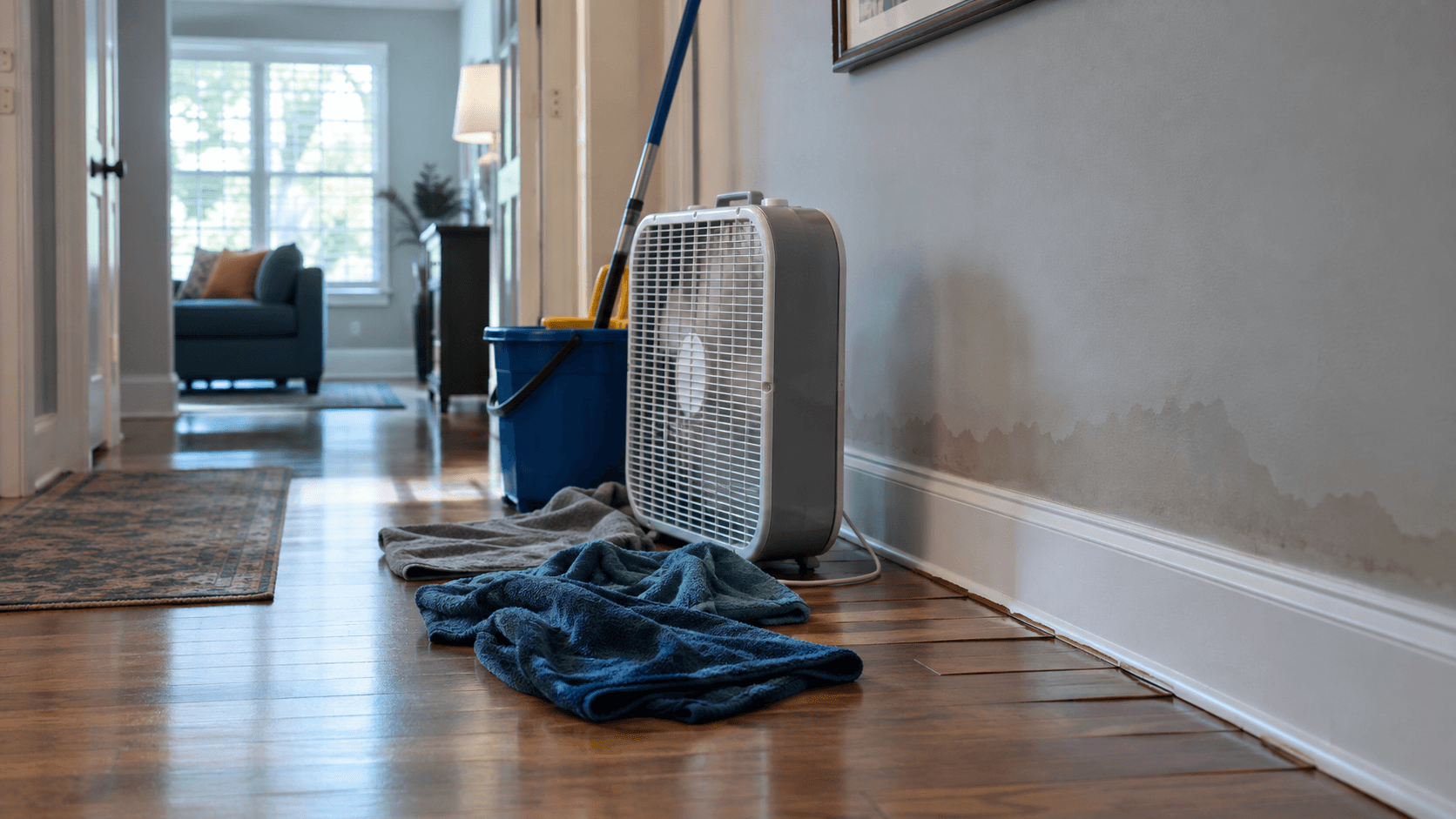
Why Proper Drying Makes All the Difference
A mop and a box fan leave water trapped in your walls and floors. Here is why proper structural drying prevents mold, rot, and denied insurance coverage.
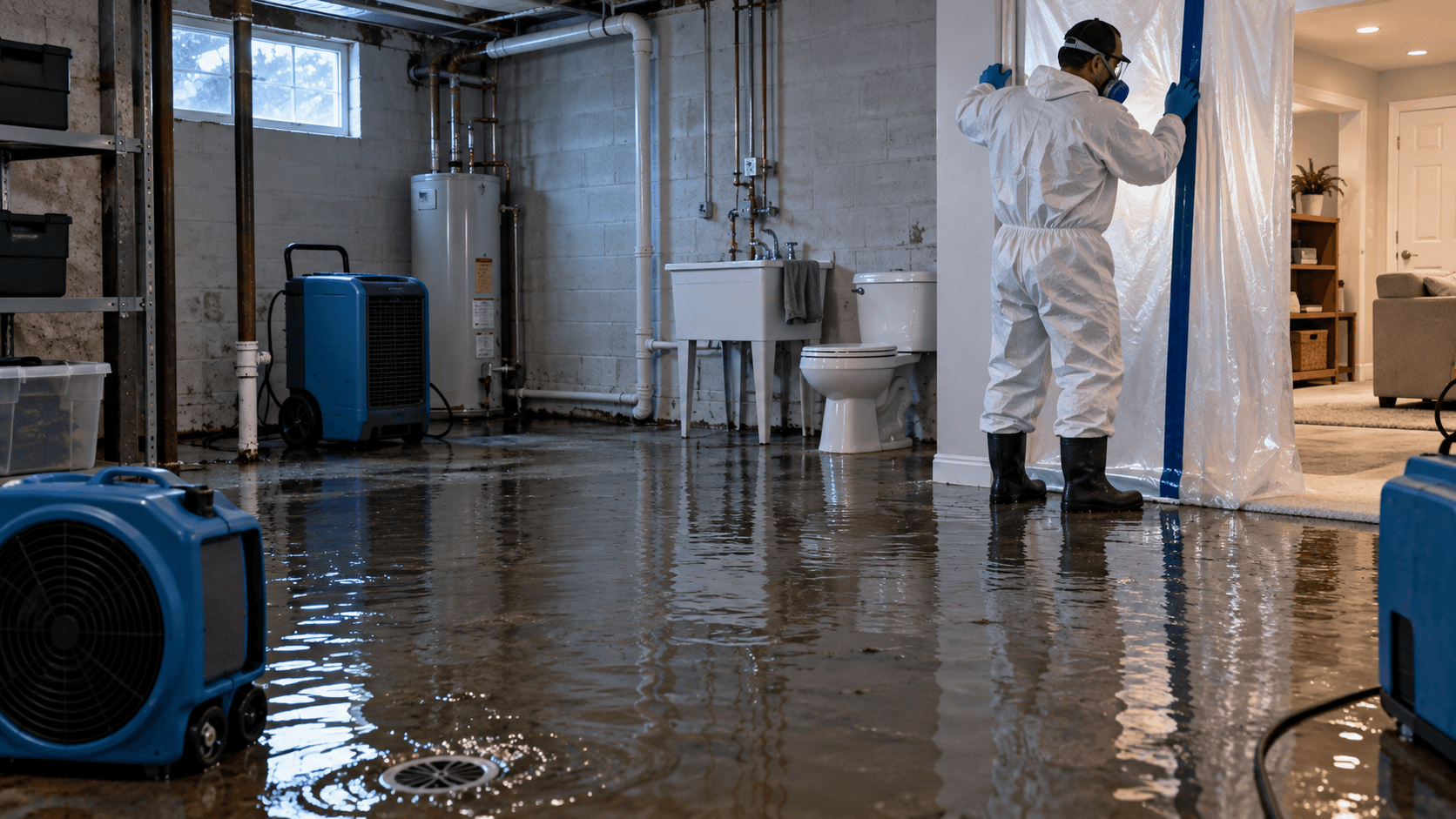
Raw Sewage in Your Home?
Sewage backup in your home? Here is how to secure the area, what never to do with Category 3 water, and what professional cleanup and insurance involve.
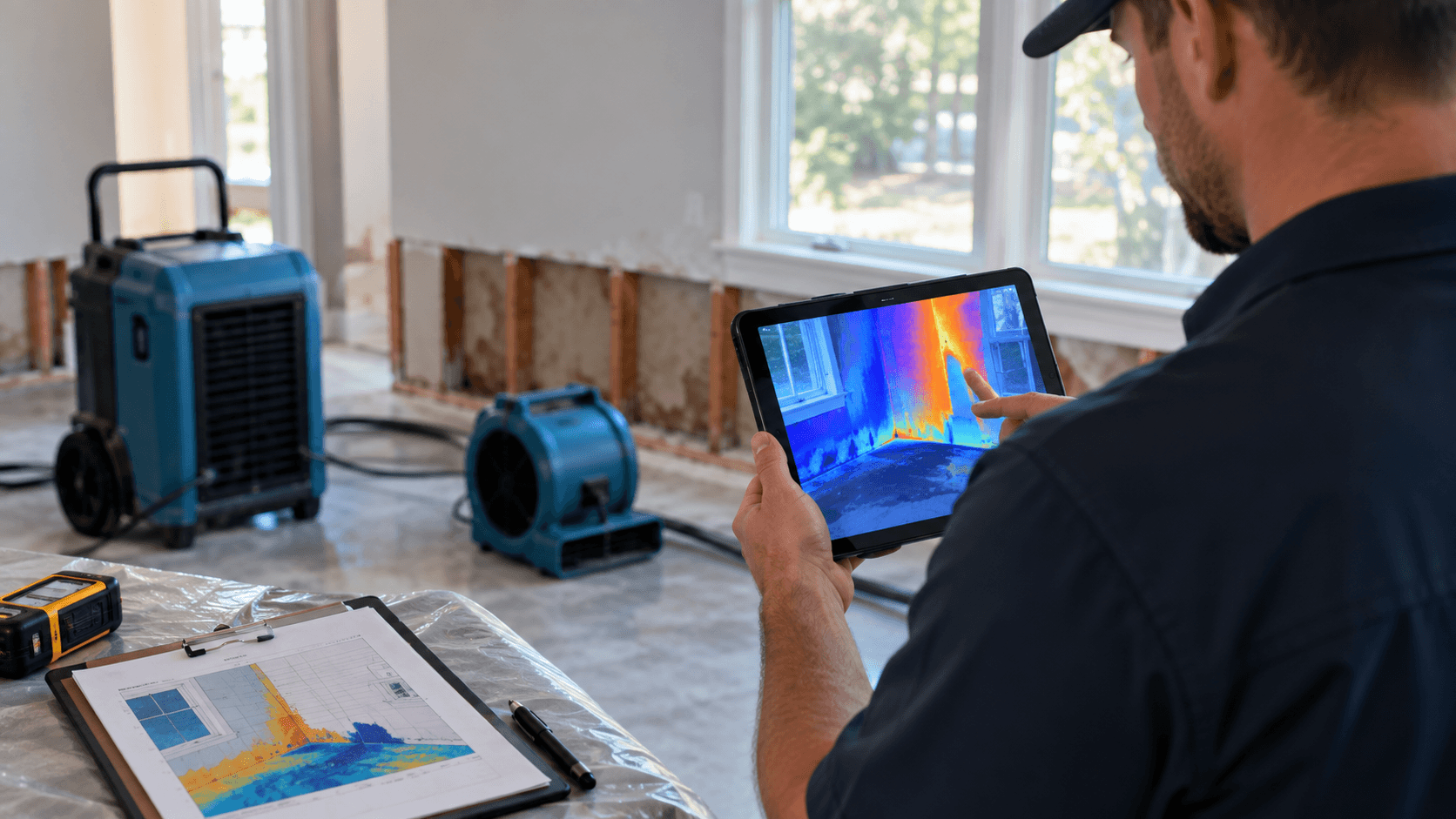
Why Documentation Matters During a Water Loss
Adjusters only pay for what you can prove. Here are the thermal images, moisture maps, and drying logs we build during a water loss so your claim gets paid.
Serving 44+ Cities Across Greater Atlanta
Select your city to see local restoration services near you
Select your city to see local restoration services near you