Understanding Water Damage: Categories and Classes

When water damage happens, most homeowners are focused on one thing: getting the water cleaned up as quickly as possible. While that's the right first step, there's more to water damage than simply removing standing water.
Champion uses industry standards established by the Institute of Inspection, Cleaning and Restoration Certification (IICRC) to evaluate every water loss. Two of the most important parts of that evaluation are identifying the category of the water and the class of the damage.
Knowing the difference helps determine the safest and most effective way to restore your property.
Water Damage Categories: What's in the Water?
A water damage category describes the level of contamination in the water. It's important to remember that water can become more contaminated over time if left untreated.
Category 1: Clean Water
Category 1 water comes from a sanitary source and does not pose a substantial health risk when the loss first occurs.
Common examples include:
- A broken supply line
- An overflowing sink with clean water
- A leaking faucet or appliance supply line
Even clean water shouldn't be ignored. If it sits for too long or comes into contact with dirt, building materials, or other contaminants, it can quickly become a higher category of water.
Category 2: Gray Water
Category 2 water contains a significant level of contamination that could cause discomfort or illness if someone is exposed to it.
Common sources include:
- Washing machine discharge
- Dishwasher overflow
- Toilet overflow containing urine only (no feces)
- Sump pump failures
Gray water requires careful handling and proper cleaning procedures to restore the affected areas safely.
Category 3: Black Water
Category 3 water is considered severely contaminated and can contain harmful bacteria, viruses, or other hazardous substances. This type of water requires specialized restoration procedures and should never be handled without proper protective equipment (PPE).
Examples include:
- Sewage backups
- Floodwater from rivers, streams, or hurricanes
- Toilet overflows containing feces
- Water that has become heavily contaminated
If your home experiences Category 3 water damage, it's important to stay out of the affected area until restoration professionals can assess the situation.
Water Damage Classes: How Much Water Is Present?
While categories describe the quality of the water, classes describe how much water has been absorbed into the structure and how difficult it will be to dry.
The class of loss helps us determine the equipment, drying techniques, and estimated drying time needed.
Class 1
Class 1 involves the least amount of water absorption. The affected area is relatively small, and only a limited amount of moisture has been absorbed by materials.
These losses are generally the quickest to dry.
Class 2
Class 2 means water has affected a larger portion of the room and has soaked into materials such as carpet, padding, drywall, or structural components.
More drying equipment is typically required to return the area to normal moisture levels.
Class 3
Class 3 is considered the greatest amount of water absorption. Water has often come from overhead or has saturated walls, insulation, ceilings, floors, and other structural materials.
These losses require aggressive drying techniques and close monitoring throughout the restoration process.
Class 4
Class 4 involves low porosity materials, making them much harder to dry. Examples include:
- Hardwood floors
- Brick
- Concrete
These situations often require specialized drying methods and may take longer than other classes of water damage.
Why Proper Classification Matters
Every water loss is different. Two homes may experience what looks like the same amount of water, but the restoration process can be completely different depending on the category of the water and the class of damage.
Proper classification helps restoration professionals:
- Develop an effective drying plan
- Determine the appropriate cleaning and sanitation procedures
- Use the right equipment for the job
- Monitor drying progress accurately
- Help reduce the risk of secondary damage, including mold growth
Don't Wait to Address Water Damage
Time is one of the biggest factors in a successful restoration. Water can spread quickly through flooring, drywall, insulation, and framing. The longer water remains, the greater the chance of structural damage and increased contamination.
If your home or business experiences water damage, having it inspected and professionally dried as soon as possible can help minimize damage and get your property back to normal faster.
At Champion, we follow current IICRC industry standards and use professional moisture detection and drying equipment to ensure your property is restored safely and thoroughly. Whether you're dealing with a small leak, a burst pipe, or a sewage backup, our team is ready to help you every step of the way. Inspections are always free.
We are here 24/7, 365. Call Champion at 404-282-6821.
You Might Also Like
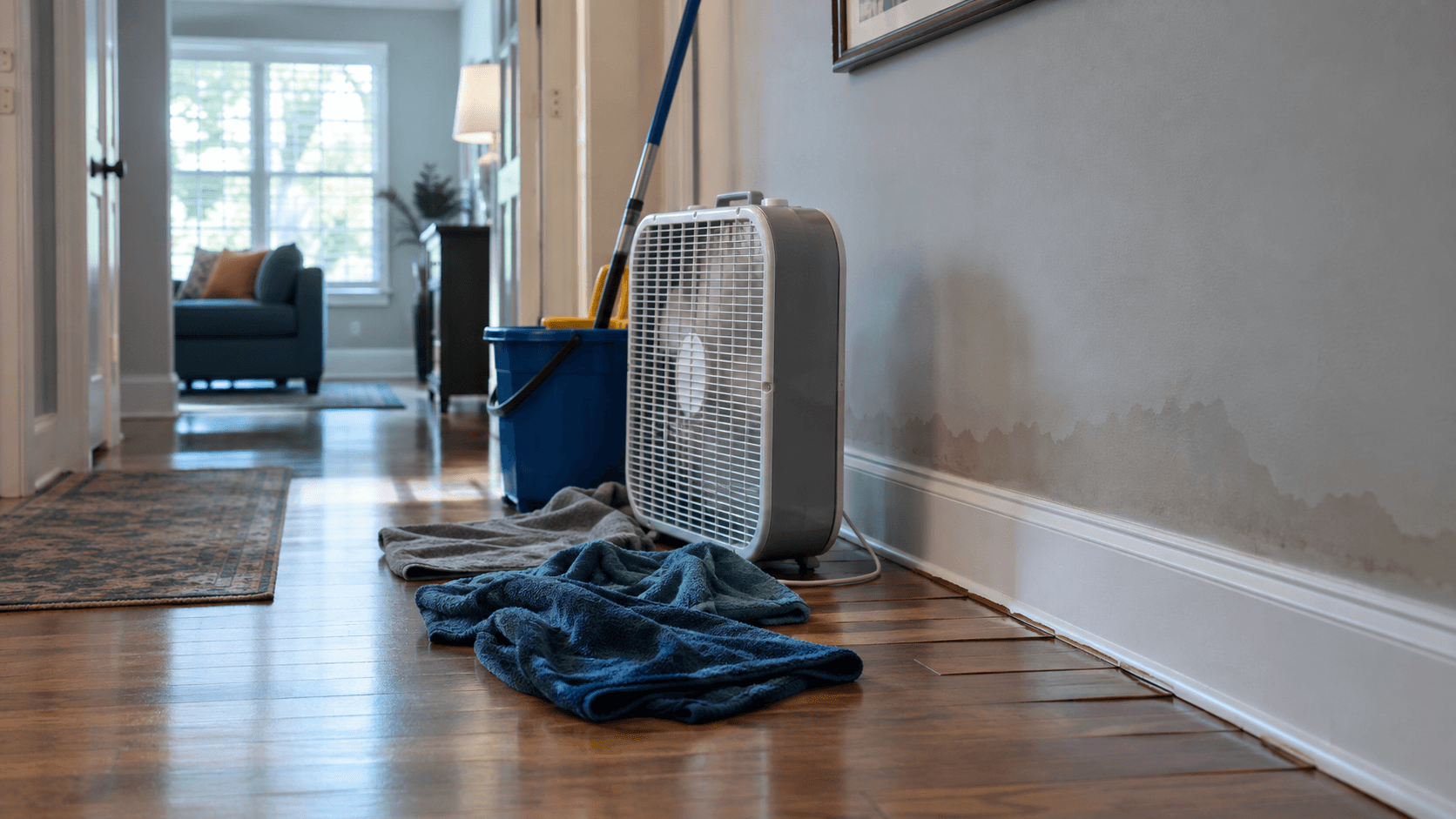
Why Proper Drying Makes All the Difference
A mop and a box fan leave water trapped in your walls and floors. Here is why proper structural drying prevents mold, rot, and denied insurance coverage.
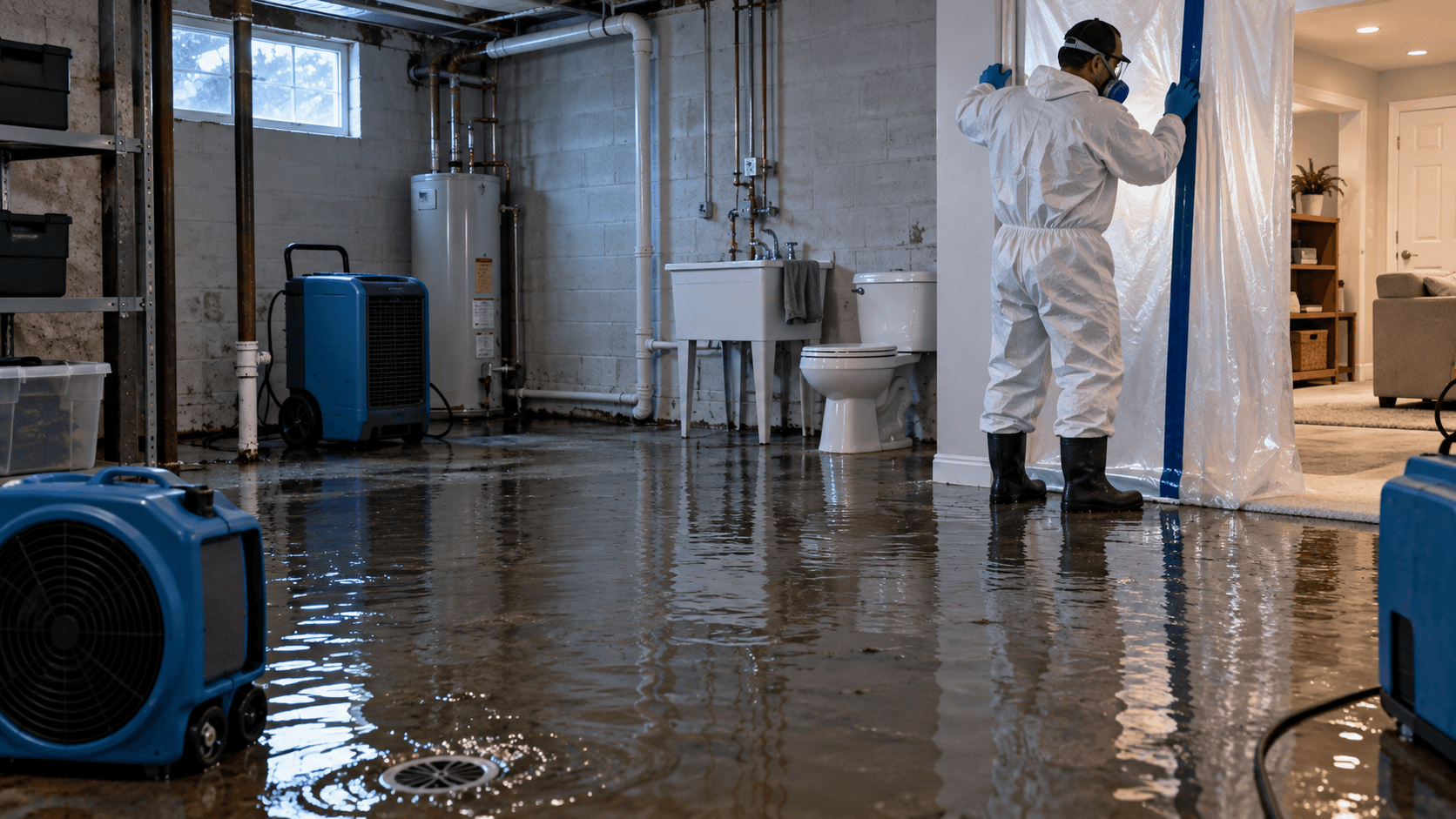
Raw Sewage in Your Home?
Sewage backup in your home? Here is how to secure the area, what never to do with Category 3 water, and what professional cleanup and insurance involve.
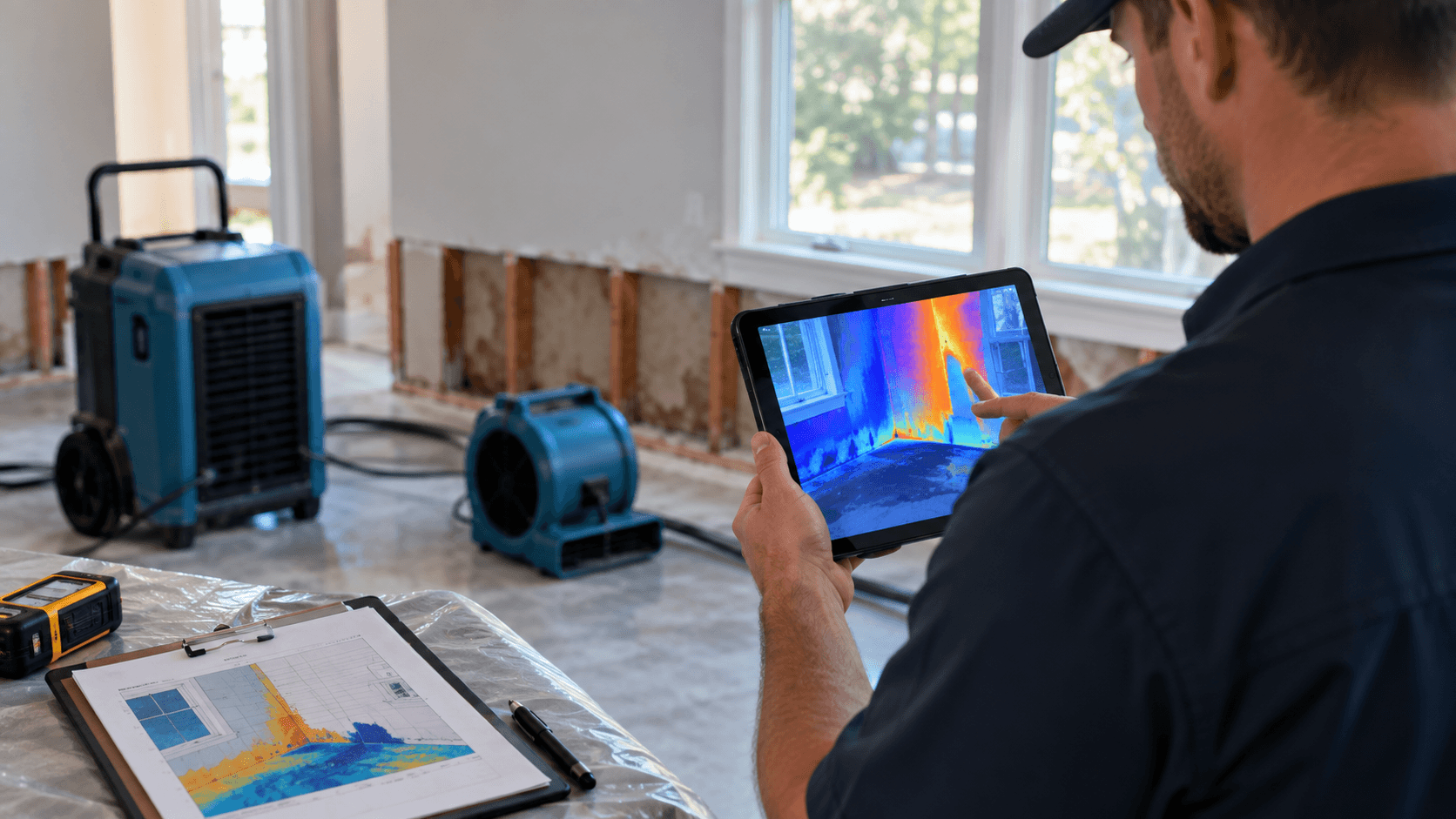
Why Documentation Matters During a Water Loss
Adjusters only pay for what you can prove. Here are the thermal images, moisture maps, and drying logs we build during a water loss so your claim gets paid.
Serving 44+ Cities Across Greater Atlanta
Select your city to see local restoration services near you
Select your city to see local restoration services near you