Summer Surge: The Outdoor Spigot That Floods Your Walls

Summer is here and the outdoor water is running. Gardens, pools, car washes, sprinklers for the kids. While all of that is going on, the hose spigot on the side of your house, also called a hose bib, can be quietly pushing water into your walls.
We see a spike in water damage calls every summer, and a surprising number of them trace back to a fixture nobody ever looks at. Outdoor spigots sit unused all winter, so damage that happened months ago goes completely unnoticed until the first hot day you reach for the hose.
The Damage Started Last Winter
Most homeowners do not find out they have a cracked pipe until they turn the water on for the first time in summer.
If you have a frost free spigot and left a hose attached through the winter, water stayed trapped inside the line. When it froze it expanded, and that expansion can split the pipe right where it runs behind your drywall. The crack sits there all winter doing nothing at all. The moment you turn the knob, water pumps straight into the wall cavity instead of out the spout.
That is what makes this failure so expensive. There is no puddle in the yard to warn you. All of the water goes inside.
The Backpressure Trap
The second common failure comes from a habit almost everyone has. You leave the hose turned on at the spigot and shut the water off at the nozzle instead.
Now the entire length of hose and the spigot behind it are holding full pressure, all day, every day. Summer heat expands the water in that line and pushes the pressure higher still. The internal seals were never built to sit under constant load like that. Eventually they give up, and the water goes where water always goes, which is down into your basement or crawlspace.
Shut the water off at the spigot, not just at the nozzle. It costs you three seconds.
Warning Signs You Should Not Ignore
Turn the hose on and pay attention for a minute. Any of these means stop right there:
- Low water pressure at the spigot when nothing else in the house is running
- A musty smell inside the house near the wall the spigot is mounted on
- Water trickling down your siding while the hose is running
- Damp or discolored drywall, soft spots, or peeling paint on the interior side of that same wall
- A spigot that wobbles or feels loose where it enters the wall
If you notice any of them, shut the water off at the spigot and leave it off. Water trapped inside a wall can start growing mold in under 48 hours, and Georgia humidity does not do you any favors.
Do Not Wait On This
Every day you wait, the damage gets bigger and the repair gets more expensive. Wet insulation has to come out. Wet framing has to be dried properly or it warps and grows mold. What starts as one cracked fitting turns into drywall, insulation, framing, flooring, and a mold remediation on top of all of it.
Champion has been handling water damage across the Atlanta metro since 1970. If you think something is wrong behind that wall, call us for a free inspection. We are here 24/7, 365.
You Might Also Like
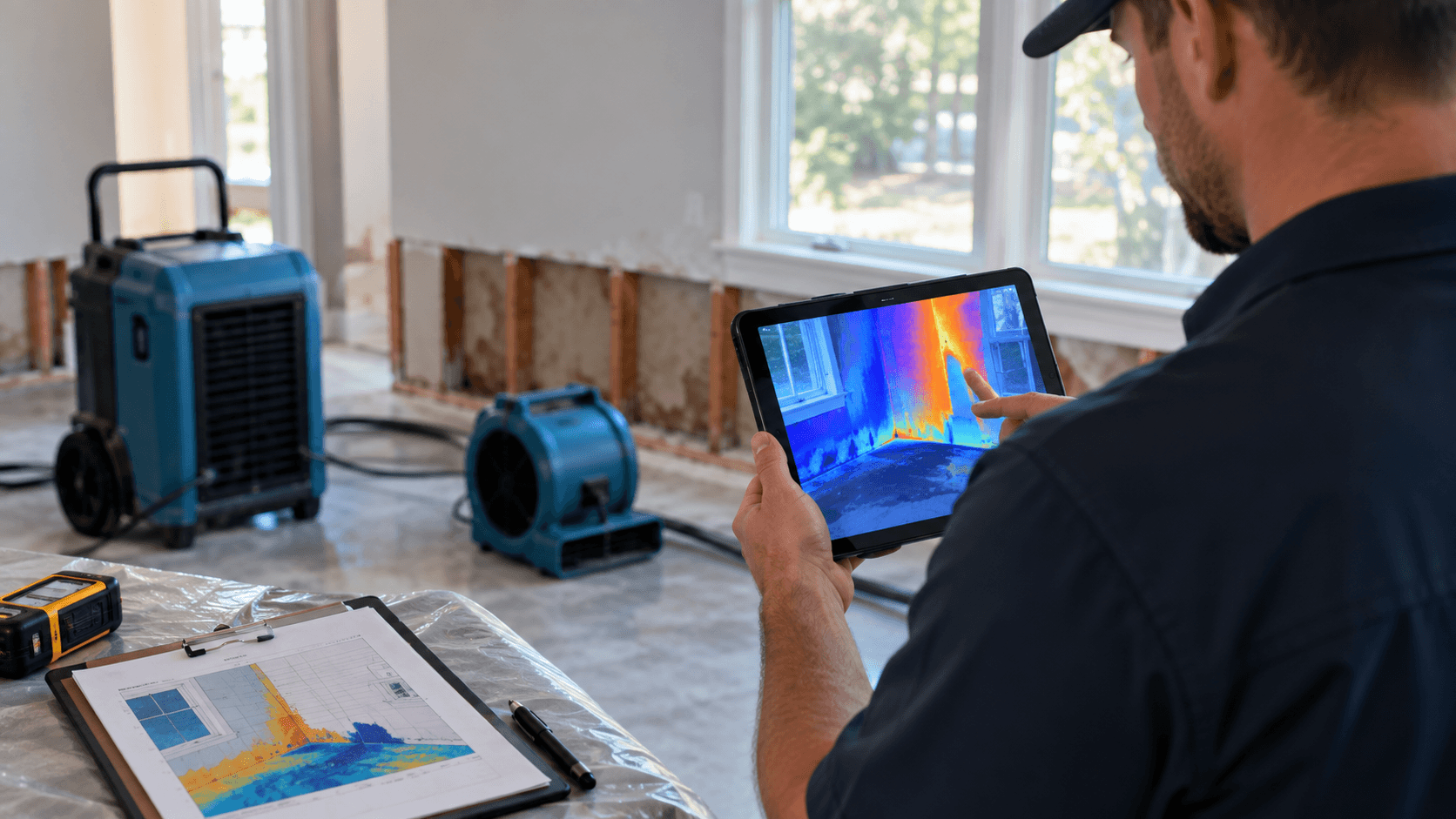
Why Documentation Matters During a Water Loss
Adjusters only pay for what you can prove. Here are the thermal images, moisture maps, and drying logs we build during a water loss so your claim gets paid.
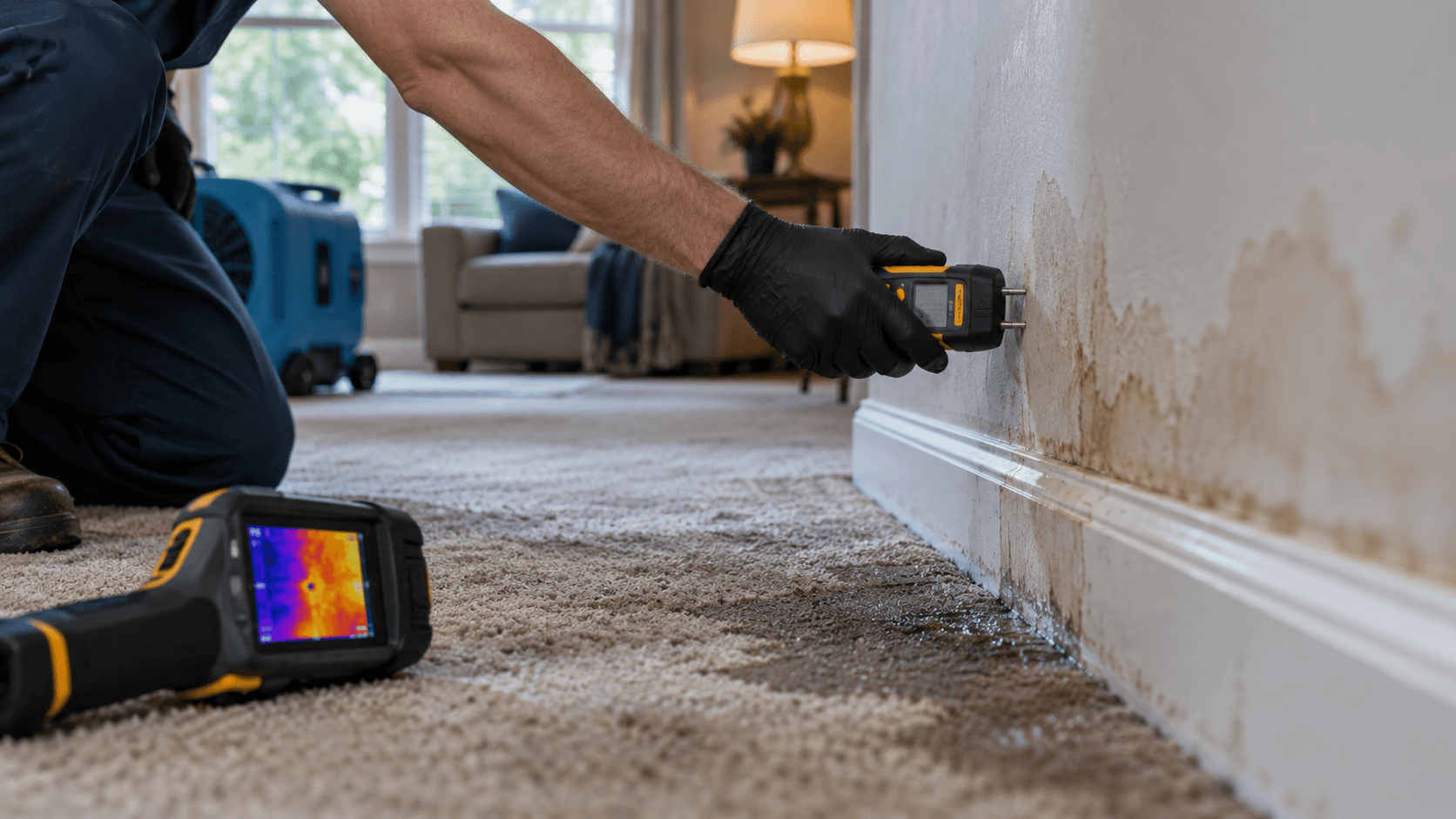
Understanding Water Damage: Categories and Classes
Not all water damage is the same. Here is how the IICRC categories and classes we use on every water loss decide the drying plan, the equipment, and the risk.
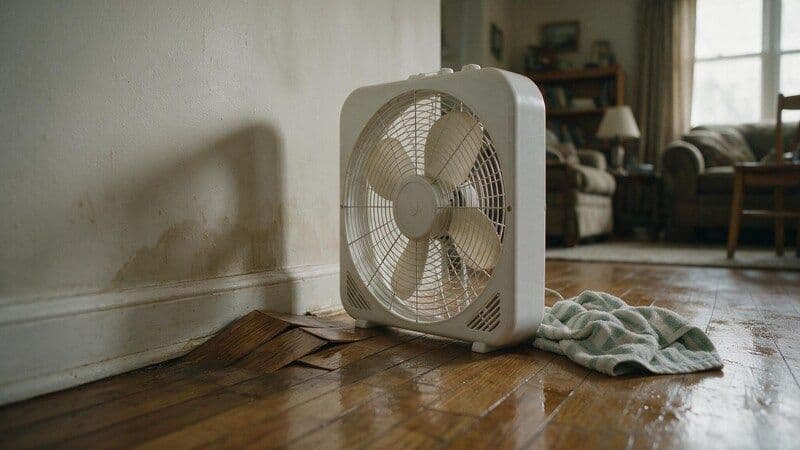
Why DIY Water Damage Restoration Costs You More in the Long Run
Water damage is the one project where doing it yourself usually costs more. Here is what a mop and a box fan miss, and why the bill three weeks later is bigger than the one you avoided.
Serving 44+ Cities Across Greater Atlanta
Select your city to see local restoration services near you
Select your city to see local restoration services near you