Winterizing Your Outdoor Plumbing: Complete Guide

Outdoor Plumbing Freezes First
When Georgia temperatures drop below freezing, outdoor plumbing is the first casualty. Hose bibs, irrigation supply lines, and exterior faucets are directly exposed to cold air with no insulation from your home's heated interior. A single frozen hose bib can crack the pipe behind the wall, and you will not know it until the thaw releases a flood into your home.
Winterizing your outdoor plumbing takes less than an hour and prevents one of the most common and expensive cold-weather plumbing failures.
Disconnect and Drain Garden Hoses
A garden hose left connected to an outdoor faucet traps water inside the hose bib and the pipe behind it. When that water freezes, it expands and cracks the fitting or the pipe itself. The damage is hidden inside the wall until temperatures rise and the ice melts, releasing water into the wall cavity.
Disconnect all garden hoses from outdoor faucets. Drain each hose completely and store it in a garage or shed. If the hose has a spray nozzle, remove it before draining to allow full water evacuation.
Shut Off Interior Valves to Outdoor Faucets
Many homes have interior shutoff valves that control the water supply to outdoor hose bibs. These are typically located in the basement, crawl space, or utility area near where the pipe exits the house. Turning off this valve and then opening the outdoor faucet allows any remaining water in the pipe to drain out, eliminating the water that would freeze and cause damage.
If your home does not have interior shutoff valves for outdoor faucets, consider having a plumber install them. The cost is modest compared to the potential damage from a frozen pipe.
Install Faucet Covers
Insulated faucet covers, available at any hardware store for a few dollars, provide an additional layer of protection for outdoor hose bibs. They trap a small pocket of warmer air around the faucet and prevent direct exposure to freezing wind.
For maximum protection, use faucet covers in combination with interior valve shutoff and draining. The cover alone is not sufficient if water remains in the line.
Winterize Irrigation Systems
In-ground irrigation systems contain water throughout their supply lines, valves, and sprinkler heads. This water must be removed before freezing temperatures arrive. The most effective method is a professional blowout, where compressed air is forced through the system to expel all water from every zone.
Shut off the main supply to the irrigation system and drain the backflow preventer. Open manual drain valves at the low points of the system if your installation includes them. For homeowners in Sharpsburg, Newnan, and other areas south of Atlanta where irrigation systems are common, scheduling a professional blowout in late October or early November is recommended.
Insulate Exposed Pipes
Any water pipe that runs through an unheated space and connects to an exterior fixture should be insulated. Foam pipe insulation sleeves are inexpensive and easy to install. For pipes in particularly exposed locations, consider adding heat tape or heat cable underneath the insulation for active freeze protection during the coldest nights.
Pay attention to pipes in crawl spaces, attached garages, and along exterior walls. These are the most vulnerable locations in homes throughout the metro Atlanta area.
Know What to Do If a Pipe Freezes
If you turn on an outdoor faucet and nothing comes out during cold weather, the pipe is likely frozen. Do not attempt to thaw it with an open flame or heat gun, which can crack the pipe or start a fire. Apply gentle heat using a hair dryer, heating pad, or towels soaked in warm water, starting from the faucet end and working backward toward the frozen section.
If a frozen pipe bursts, shut off the main water supply immediately and call a professional.
Champion Cleaning Systems provides 24/7 emergency water damage restoration for burst pipes and frozen pipe failures across Sharpsburg, Stockbridge, Buford, Newnan, and metro Atlanta.
Call Champion 24/7 at (404) 282-6821.
You Might Also Like
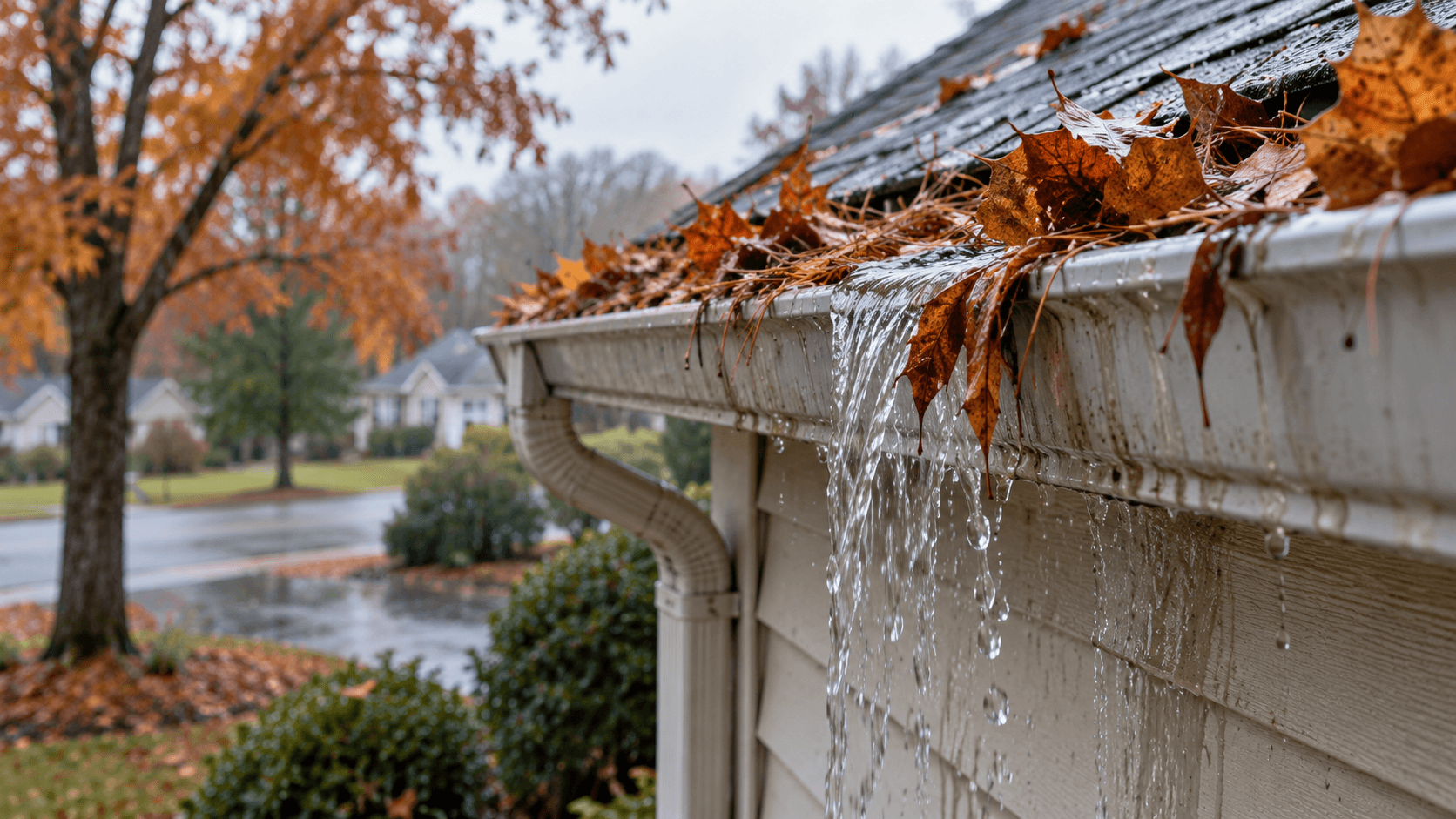
How Fall Gutter Maintenance Makes a Difference
Clogged gutters send rainwater straight to your foundation. Here is how fall gutter cleaning prevents flooded basements, cracked foundations, rot, and mold.
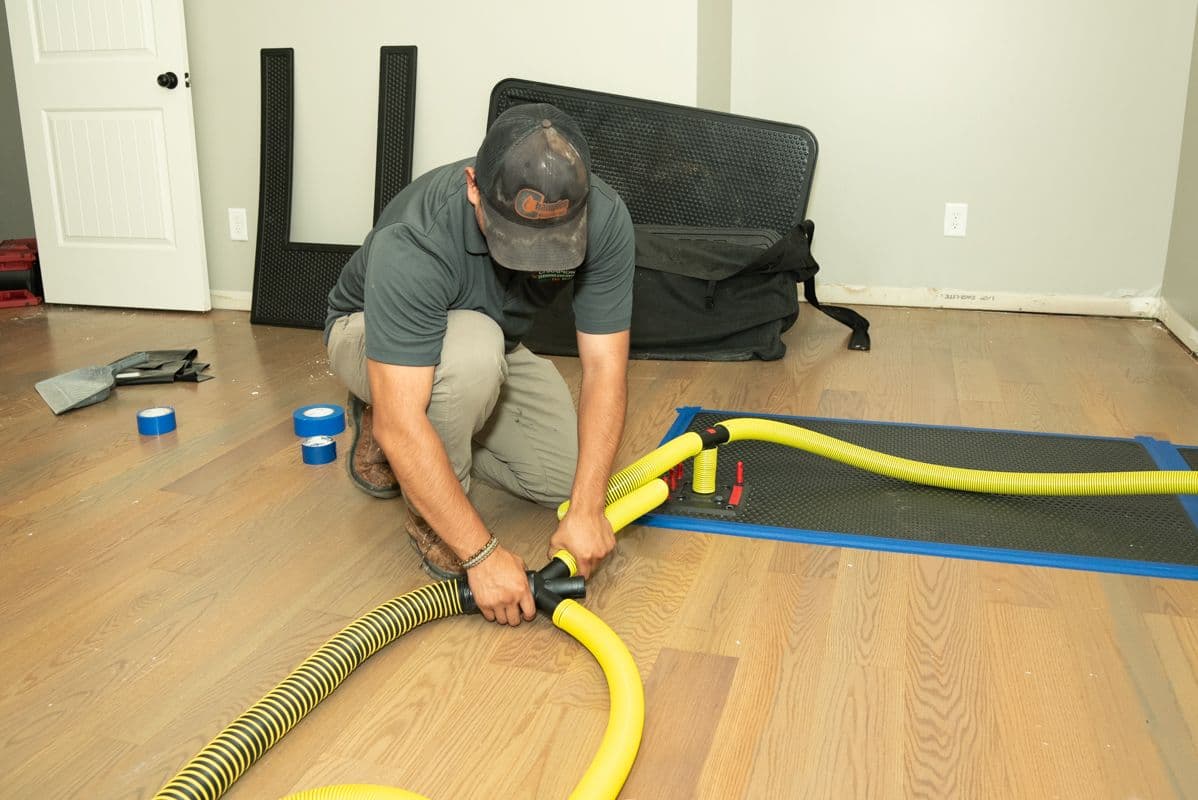
Spring Storm Preparedness: Protect Your Atlanta Home from Flooding
Spring storms in Georgia bring heavy rain and flash flooding. Learn the exterior and interior steps to protect your home and what to do if flooding occurs.
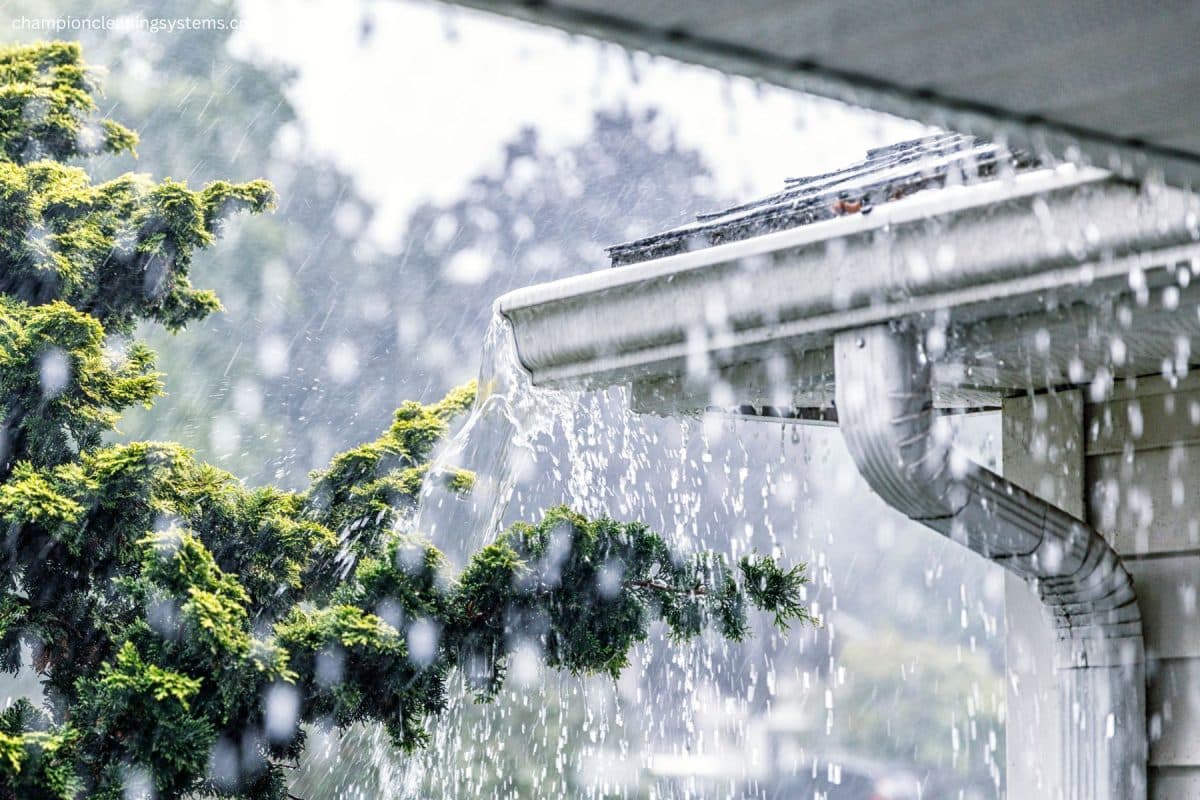
Spring Water Damage Prevention: Gutters, Grading, and More
Spring rains test every weakness in your home's defenses. Learn the essential prevention steps Atlanta homeowners should take before the rainy season hits.
Serving 44+ Cities Across Greater Atlanta
Select your city to see local restoration services near you
Select your city to see local restoration services near you