Why DIY Water Damage Restoration Costs You More in the Long Run

As a small business in the water restoration world, we get to meet a lot of great folks in our community. If there is one thing we know about Atlanta homeowners, it is that we love a good DIY project. There is nothing like the satisfaction of fixing something with your own two hands.
So we will be completely honest with you: water damage is not the place to test your DIY skills.
We cannot tell you how many times our team has been called out to a home where the homeowner tried to handle structural water damage themselves. They thought they saved a quick buck. A few weeks later they are calling us to fix a much bigger and much more expensive problem.
Here is why handling water mitigation on your own usually makes it worse, and why calling a professional saves you money in the long run.
1. What You Cannot See Will Hurt Your Home
When water gets into a room, it does not just sit on the surface. You might mop up the puddle on your hardwood or run a couple of household fans over the carpet until it feels dry to the touch. But underneath, that water has soaked into your subfloor, traveled behind your baseboards, and wicked up into the drywall.
The professional difference: We do not just look at where the water visibly touched. We use moisture meters and thermal imaging cameras to see through walls and floors and track exactly where the water went. Dry to the touch and dry to a meter are two very different things.
2. The Box Fan Problem
We see it all the time. A household box fan blowing at top speed in a wet room. It feels like you are doing something, but a household fan just moves warm, wet air around. It does not pull moisture out of the structure.
Worse, if mold spores have already started forming, a box fan blasts them into rooms that were never affected in the first place. You turn a contained problem into a whole-house problem.
The professional difference: Properly drying a space takes a calculated balance of industrial air movers and dehumidifiers working together, positioned to pull moisture out of the air and the building materials themselves.
3. Mold Does Not Wait Around
Mold does not need a week to move in. It can start growing in a damp environment in 24 to 48 hours. And we happen to live in Atlanta, where the summers are real hot and real humid, which only speeds things along.
Once mold takes hold in drywall or insulation, drying it out is no longer an option. It has to come out. That is when a cleanup job turns into a demolition and rebuild, and the cost jumps.
4. The Invisible Danger of Category 2 and 3 Water
Not all water is created equal. The industry sorts it into three categories, and they are not handled the same way:
- Category 1, clean water. A broken supply line or a burst pipe. Sanitary at the source, but it degrades to Category 2 within about 48 hours if it sits.
- Category 2, grey water. A dishwasher or washing machine overflow, or a toilet overflow with no solids. Contains contaminants that can make you sick.
- Category 3, black water. Sewer backups, flooding from outside, any water carrying sewage. Grossly contaminated and genuinely hazardous.
Cleaning up Category 2 or 3 water without professional protective equipment and EPA-registered antimicrobials puts your health and your family's health at real risk. This is not a corner worth cutting. Contaminated water needs to be handled professionally, every time.
The Bottom Line: We Are Here to Help
Calling a professional can feel daunting, and nobody wants an unexpected expense. But when you call a local pro like us, you are not just renting big fans. You are getting the training, the equipment, and the experience to stop the damage from spreading, protect your family's health, and document everything properly for your insurance claim.
If you are dealing with a leak or flooding, do not gamble your home's structure or your savings on a DIY fix. Give us a call and let us get it handled right the first time. Inspections are free and we are here 24/7, 365.
You Might Also Like
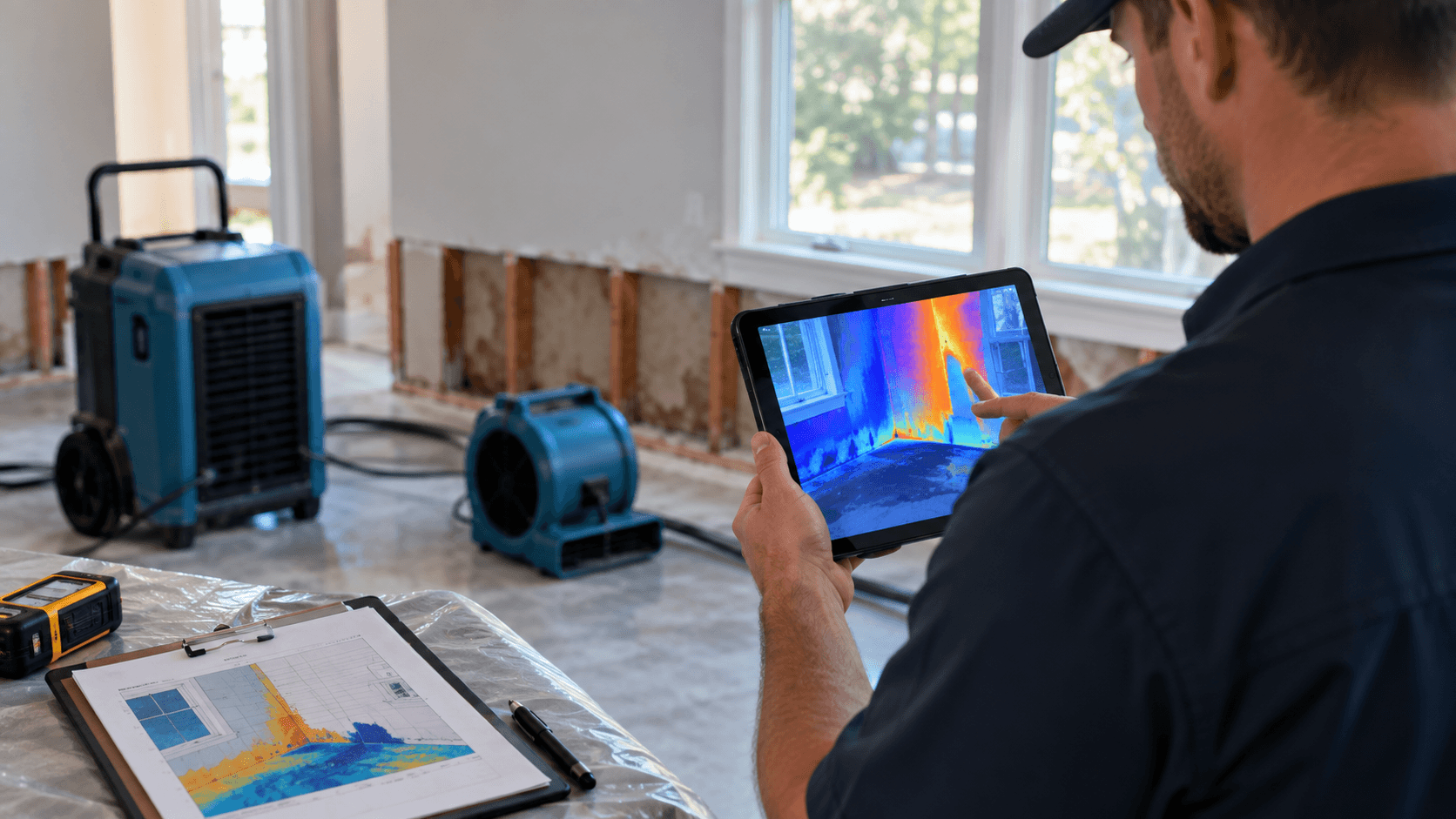
Why Documentation Matters During a Water Loss
Adjusters only pay for what you can prove. Here are the thermal images, moisture maps, and drying logs we build during a water loss so your claim gets paid.
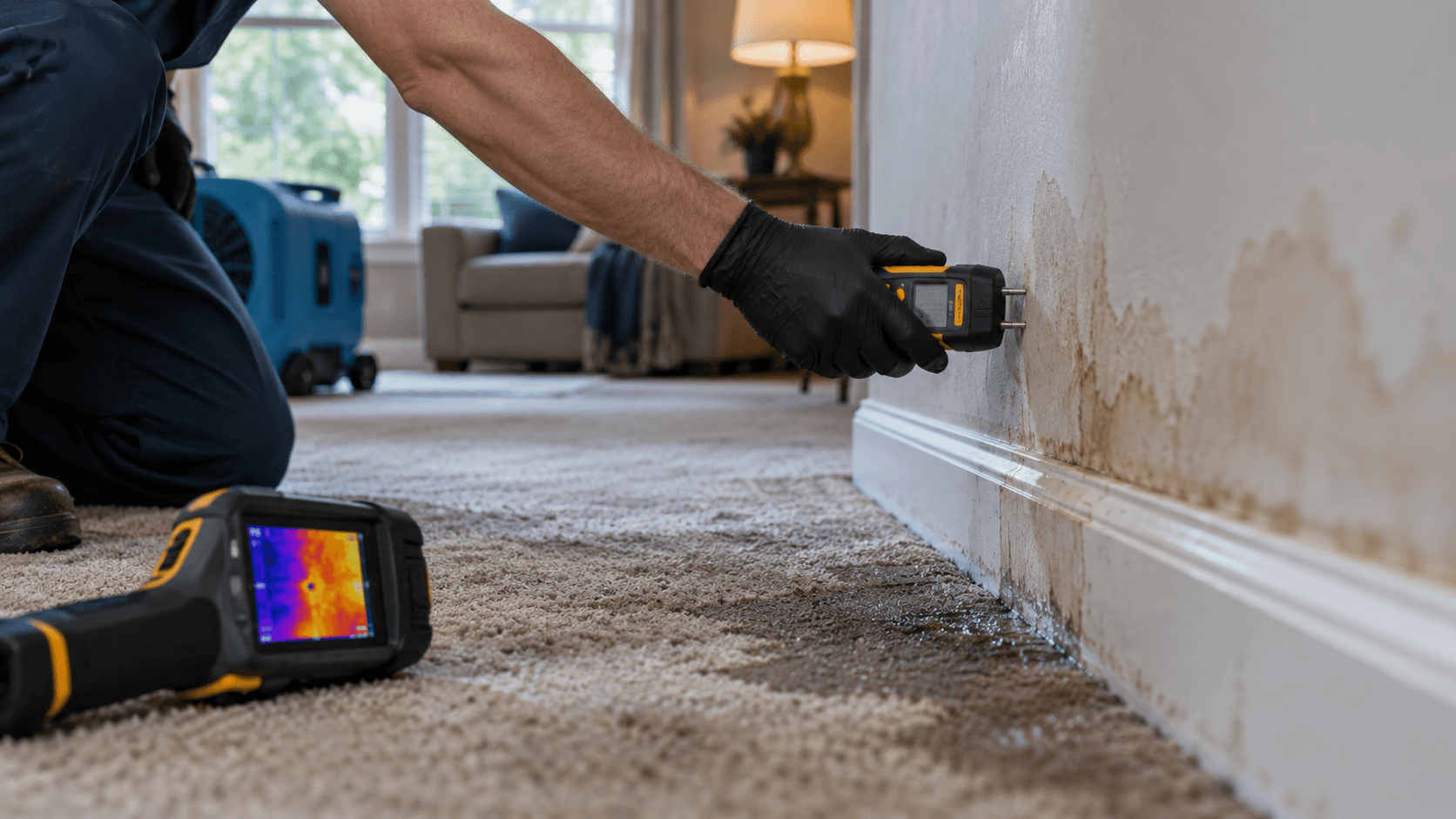
Understanding Water Damage: Categories and Classes
Not all water damage is the same. Here is how the IICRC categories and classes we use on every water loss decide the drying plan, the equipment, and the risk.
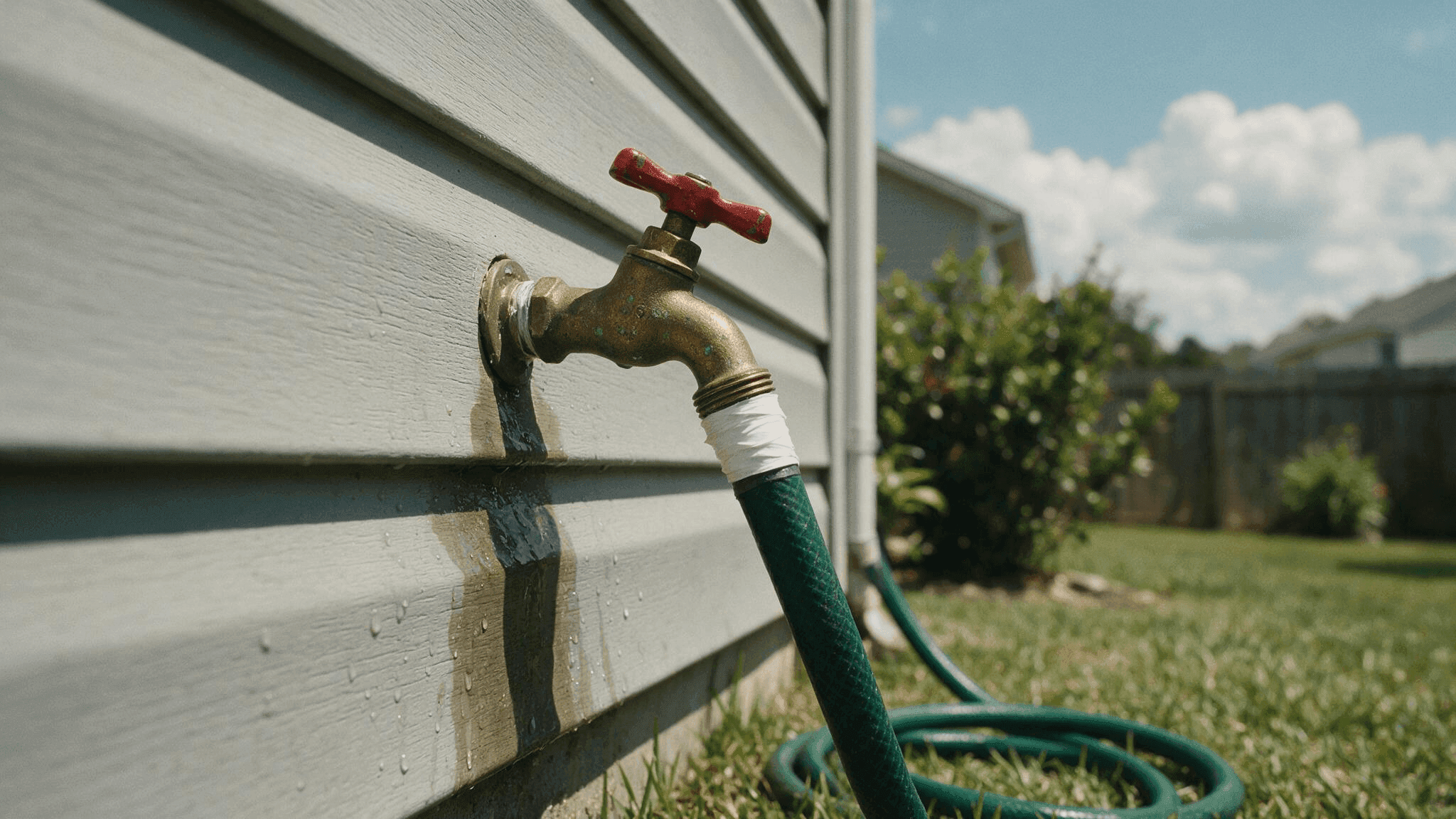
Summer Surge: The Outdoor Spigot That Floods Your Walls
Your outdoor hose spigot sat unused all winter. If it cracked in a freeze, you will not find out until the first hot day you turn it on, and by then the water is already inside your walls.
Serving 44+ Cities Across Greater Atlanta
Select your city to see local restoration services near you
Select your city to see local restoration services near you