How Water Damage Affects Different Types of Flooring and Walls

Every Material Responds Differently to Water
When water floods your home, it does not damage everything equally. Different flooring and wall materials absorb water at different rates, sustain different types of damage, and have different thresholds for salvageability. Understanding these differences helps you make informed decisions during the restoration process and set realistic expectations for what can be saved.
Hardwood Flooring
Hardwood is one of the most valuable flooring materials and one of the most sensitive to water. When hardwood absorbs moisture from below, the boards swell unevenly, causing cupping where the edges rise higher than the center. If the moisture persists, the boards may crown, buckle, or separate at seams.
The good news is that hardwood can often be saved if professional drying begins within 24 to 48 hours. Commercial drying mats placed directly on the wood surface extract moisture slowly and evenly, allowing the boards to return to their original profile without the cracking that rapid drying causes.
If hardwood has been submerged for extended periods or if the subfloor beneath is compromised, replacement may be necessary. A moisture meter reading of the wood and subfloor determines whether salvage is viable.
Carpet and Padding
Carpet itself can often survive water damage if it is cleaned and dried promptly. The padding beneath it is a different story. Carpet padding acts like a sponge, absorbing and holding water far longer than the carpet above it. Once saturated, padding is extremely difficult to dry in place and becomes a breeding ground for mold and bacteria.
In most water damage scenarios, the padding is replaced while the carpet is cleaned, dried, and reinstalled. If the water was contaminated, classified as Category 2 or Category 3, the carpet must also be replaced regardless of its condition.
Laminate Flooring
Laminate is one of the least water-resistant flooring types. The core material, typically high-density fiberboard, absorbs water rapidly and swells irreversibly. Once laminate flooring has swelled, it cannot be restored. The edges lift, seams separate, and the surface warps permanently.
Quick response can sometimes save laminate if water exposure was minimal and brief. But in most flood scenarios, laminate flooring in affected areas requires full replacement.
Tile Flooring
Ceramic and porcelain tile are themselves waterproof, which gives many homeowners a false sense of security. The tile surface will survive water exposure. But water seeps through grout lines, especially deteriorated grout, and saturates the substrate beneath the tile. If the substrate is cement board, it may survive with proper drying. If it is plywood or particle board, it absorbs water and becomes structurally compromised.
Tile flooring that feels solid after water damage may still be hiding saturated substrate material that requires professional assessment with moisture meters.
Drywall
Drywall is extremely absorbent. It wicks water upward from the floor through capillary action, often absorbing moisture 12 to 18 inches above the visible waterline. Once drywall is saturated, it loses structural integrity, becomes soft and crumbly, and provides an ideal surface for mold growth.
Standard practice in water damage restoration is to remove drywall at least 12 inches above the highest point of water contact. This exposes the wall cavity for inspection, allows insulation to be evaluated and replaced if necessary, and provides access for commercial air movers to dry the wall framing.
Minor moisture exposure on drywall, caught within hours, can sometimes be dried in place using professional equipment. But any drywall that feels soft, shows visible swelling, or has been wet for more than 24 hours is typically removed.
Why Timing Determines Salvageability
The consistent theme across all materials is that speed determines what can be saved. Hardwood that is salvageable at 24 hours may need replacement at 72 hours. Carpet padding that could be dried at 6 hours becomes a mold hazard at 24 hours. Drywall that could be dried in place at 12 hours must be cut out at 48 hours.
Professional restoration companies prioritize rapid response precisely because every hour of delay shifts more materials from the salvageable column to the replacement column, increasing both the scope and cost of the project.
Champion Cleaning Systems provides 24/7 emergency water damage restoration with a 60-minute response time across Sharpsburg, Stockbridge, Buford, Newnan, and metro Atlanta.
Call Champion 24/7 at (404) 282-6821.
You Might Also Like
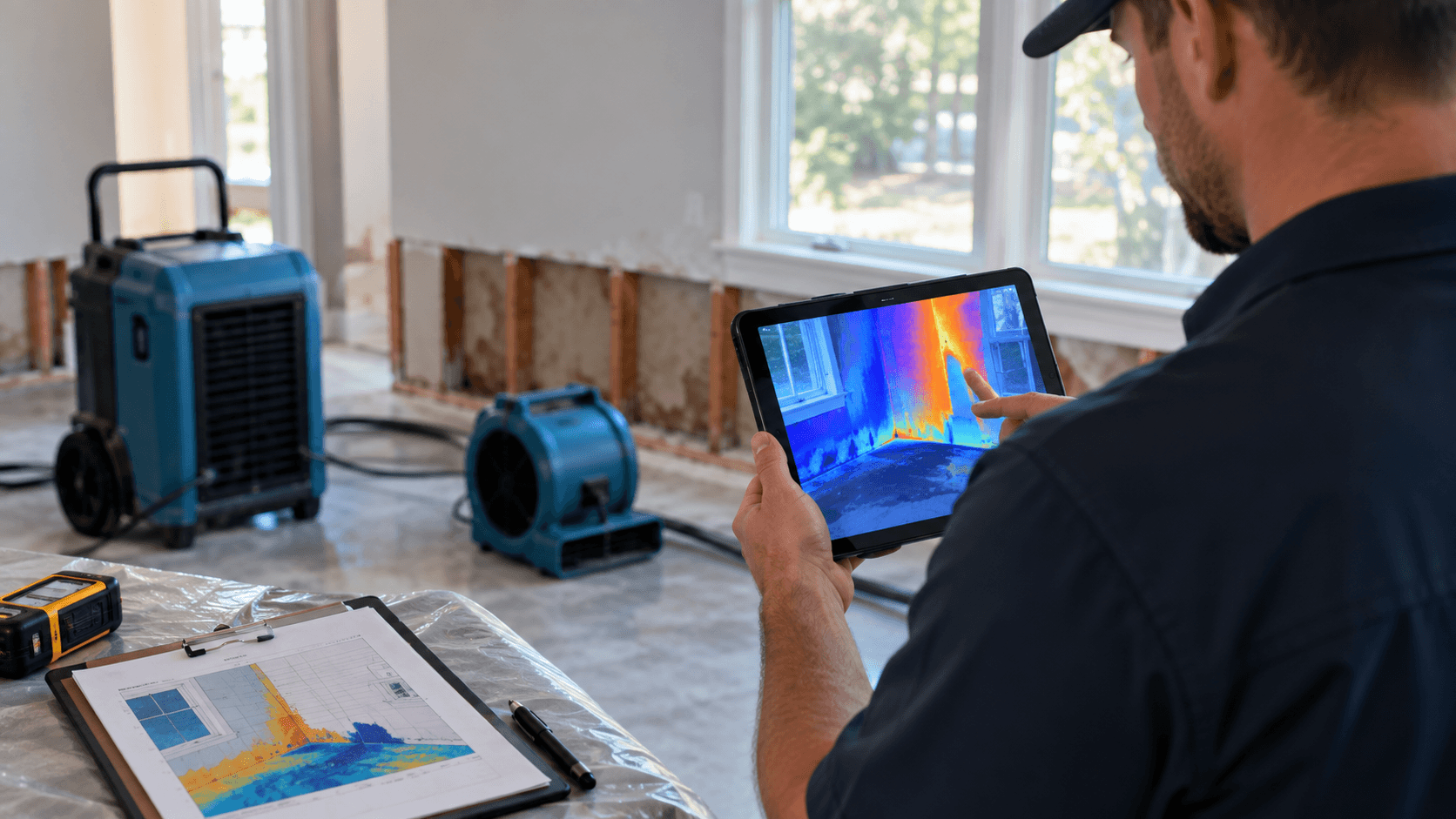
Why Documentation Matters During a Water Loss
Adjusters only pay for what you can prove. Here are the thermal images, moisture maps, and drying logs we build during a water loss so your claim gets paid.
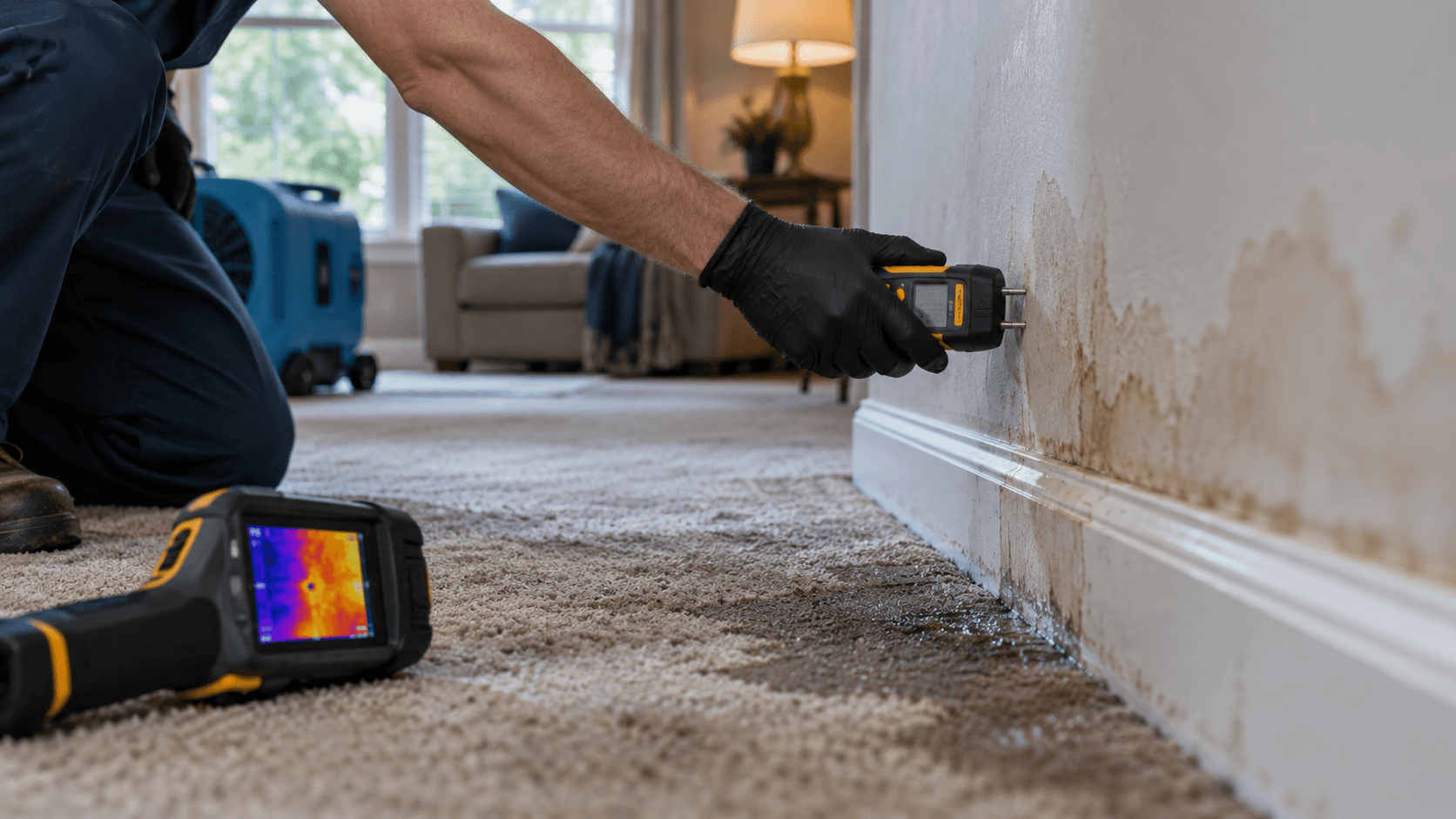
Understanding Water Damage: Categories and Classes
Not all water damage is the same. Here is how the IICRC categories and classes we use on every water loss decide the drying plan, the equipment, and the risk.
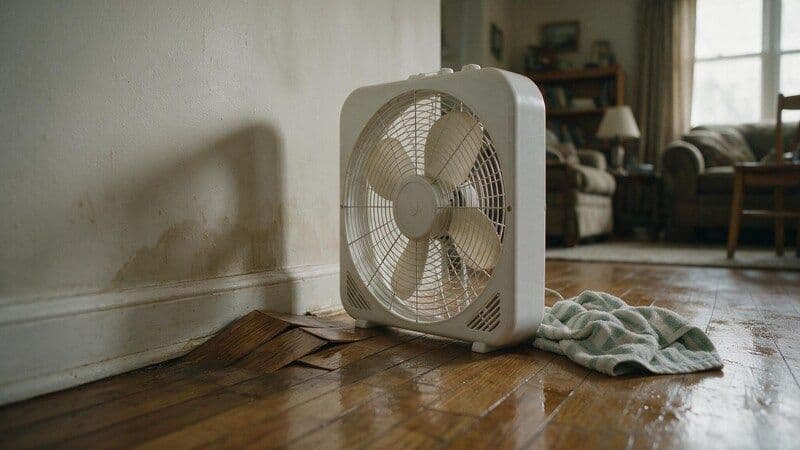
Why DIY Water Damage Restoration Costs You More in the Long Run
Water damage is the one project where doing it yourself usually costs more. Here is what a mop and a box fan miss, and why the bill three weeks later is bigger than the one you avoided.
Serving 44+ Cities Across Greater Atlanta
Select your city to see local restoration services near you
Select your city to see local restoration services near you