What to Expect During Your Initial Water Damage Inspection

When water damage occurs in your home or business, knowing what to do next can feel overwhelming. Between figuring out where the water came from, determining how extensive the damage is, and deciding whether to file an insurance claim, there can be a lot to navigate.
At Champion Cleaning Systems, we believe the restoration process should start with a thorough inspection, clear communication, and a plan you feel comfortable moving forward with.
Our initial inspection is about much more than simply identifying what's wet. It's about understanding the full extent of the damage, identifying potential concerns, discussing your options, and creating a plan to get your property back to normal.
So, what exactly happens when you call Champion Cleaning Systems? Here's a look at our initial inspection process and what you can expect from the moment you contact our office.
1. Your First Call to Our Office
Your experience with Champion Cleaning Systems starts with a phone call to our office. You'll speak with one of our office administrators, who will gather some basic information about you, your property, and the damage you're experiencing.
We'll ask a few questions to better understand the situation and get an idea of what may be needed. From there, our office team will coordinate with you to schedule an inspection with one of our first responders.
We understand that water damage can be stressful, and our goal is to make those first steps as simple and straightforward as possible.
2. Meeting Your First Responder
Once your inspection is scheduled, one of our first responders will arrive at your property to conduct an initial assessment.
Our first responders are the first members of our team you'll meet in person. Their job is to evaluate the damage, investigate the affected areas, and begin determining the best course of action for your property.
They'll take the time to listen to your concerns, answer your questions, and explain what they're looking for throughout the inspection. We want you to feel informed and comfortable with the process from the very beginning.
3. A Thorough Inspection of Your Property
One of the most important parts of our initial inspection is identifying the full extent of the water damage.
Water doesn't always stay where you can see it. It can travel behind walls, underneath flooring, and into other building materials without leaving obvious signs on the surface.
That's why our first responders don't just inspect the areas where visible damage has occurred. They'll also evaluate surrounding areas and investigate locations that could potentially be affected, even when there are no visible signs of damage.
To help us get an accurate picture of the damage, we use specialized inspection equipment such as:
- Moisture Meters: These allow us to measure moisture levels within building materials and identify areas that may have absorbed water.
- Infrared (IR) Cameras: These help us identify temperature differences that can indicate potential moisture concerns hidden behind surfaces.
- Thermal Hygrometers: These measure temperature and relative humidity levels in the air, helping us evaluate environmental conditions and determine what may be needed to properly dry the affected areas.
- Thermal Thermometers: These allow us to measure surface temperatures and identify temperature variations that can help us better evaluate affected materials and drying conditions.
We'll also take photos throughout the inspection to document the affected areas and help establish the extent of the damage.
Our goal is to understand how far the water has traveled, which materials have been affected, and what needs to be addressed before moving forward.
Identifying Any Additional Services You May Need
During the initial inspection, we'll also evaluate whether your property may require any additional services beyond standard water mitigation.
Depending on the extent and location of the damage, this could include services such as:
- Contents Packout: Temporarily removing furniture, belongings, and other contents from affected areas to protect them during the restoration process.
- Asbestos Testing: Determining whether potentially hazardous materials need to be tested before certain demolition or restoration work can begin.
- Industrial Hygienist: Bringing in an environmental professional to evaluate potential environmental or indoor air quality concerns.
- Countertop Removal: Removing countertops when necessary to access affected materials and properly address hidden moisture.
- Plumbing Services: If the source of the water intrusion has not yet been identified or repaired, a licensed plumber may be needed to locate and fix the issue.
We'll discuss any recommended additional services with you, explain why they may be necessary, and help you understand how they fit into the overall restoration process.
Our goal is to identify potential needs upfront so we can develop a thorough plan for your property rather than discovering unexpected issues further down the road.
4. Discussing Your Options: Insurance or Self-Pay
Once our inspection is complete and we have a better understanding of the damage, we'll sit down with you to discuss your options.
One of the things we want to help you understand is whether the damage may warrant filing an insurance claim. Not every water damage situation requires an insurance claim, and we want to make sure you have the information you need to make an informed decision.
If you decide to file an insurance claim:
We'll walk you through the claims process and help answer any questions you or your insurance company may have. Navigating an insurance claim can be confusing, especially if you've never experienced property damage before. We're here to help make that process easier and guide you through the steps.
If you prefer to pay out of pocket:
That's perfectly okay, too! If the damage doesn't warrant filing a claim, or you simply prefer to handle the work yourself, we'll discuss what that process will look like.
We'll put together a self-pay estimate outlining the work to be performed and the associated costs so you know exactly what to expect before moving forward. No surprises!
We can also introduce you to our financing option if you'd like to explore that route.
Regardless of which option you choose, we want you to feel comfortable and confident in the decisions you're making.
5. Getting the Drying Process Started
Water damage doesn't wait, and neither should the steps needed to prevent it from getting worse.
With your approval, our team can begin setting stabilization equipment onsite during the initial visit to get the drying process started. This may include equipment designed to begin removing excess moisture and stabilizing the affected areas while the next steps are being coordinated. Do keep in mind that the longer mitigation is delayed, the worse damages can be. It is extremely important that you contact us the moment you notice you have an issue.
When Immediate Action Is Needed
While we always want to make sure our customers understand their options before moving forward, we also recognize that some situations require immediate attention.
If our first responder arrives onsite and determines that the damage has reached an emergency level and immediate action is necessary to prevent further damage to your property, we won't leave you waiting.
We'll work quickly to coordinate a mitigation team and get them onsite to begin addressing the damages as soon as possible. We'll communicate with you throughout the process and explain why immediate action is recommended, what needs to be done, and what your options are.
Our priority is to protect your property, prevent additional damage, and get the mitigation process moving in the right direction.
What If You're Filing an Insurance Claim?
If you decide to file an insurance claim, we'll work to obtain approval for the claim before beginning the mitigation process. However, if you'd like us to move forward sooner, we can discuss your authorization to begin work before that approval is received.
We'll make sure you understand the process and have the opportunity to ask questions before work begins.
A Quick Reminder About Your Homeowners Insurance Policy
One important thing to keep in mind when dealing with water damage is to review the language in your homeowners insurance policy. Many policies include provisions requiring homeowners to take reasonable and necessary steps to protect their property from further damage after a loss occurs.
This is one reason why addressing water damage promptly is so important. Delaying necessary mitigation efforts could allow the damage to worsen and may create complications when it comes to your insurance claim.
If you're unsure what your policy requires, we're happy to help answer questions and guide you through the process. Our goal is to help you protect your property while making sure you understand the next steps.
Our Goal: Making a Stressful Situation Easier
At Champion Cleaning Systems, we know that discovering water damage in your home or business can be a stressful experience. Our initial inspection is about much more than identifying wet materials. It's about understanding the situation, explaining your options, identifying additional needs, and creating a clear path forward.
From your first phone call to the moment our team arrives onsite, we want you to know that you're in good hands. We thank you for instilling trust in us to handle your home. We will make sure we do so with integrity and care!
We believe in being thorough, communicating openly, and making sure our customers know what to expect every step of the way. Whether you're dealing with a small water leak or a major property loss, our team is here to help you navigate the restoration process.
You Might Also Like
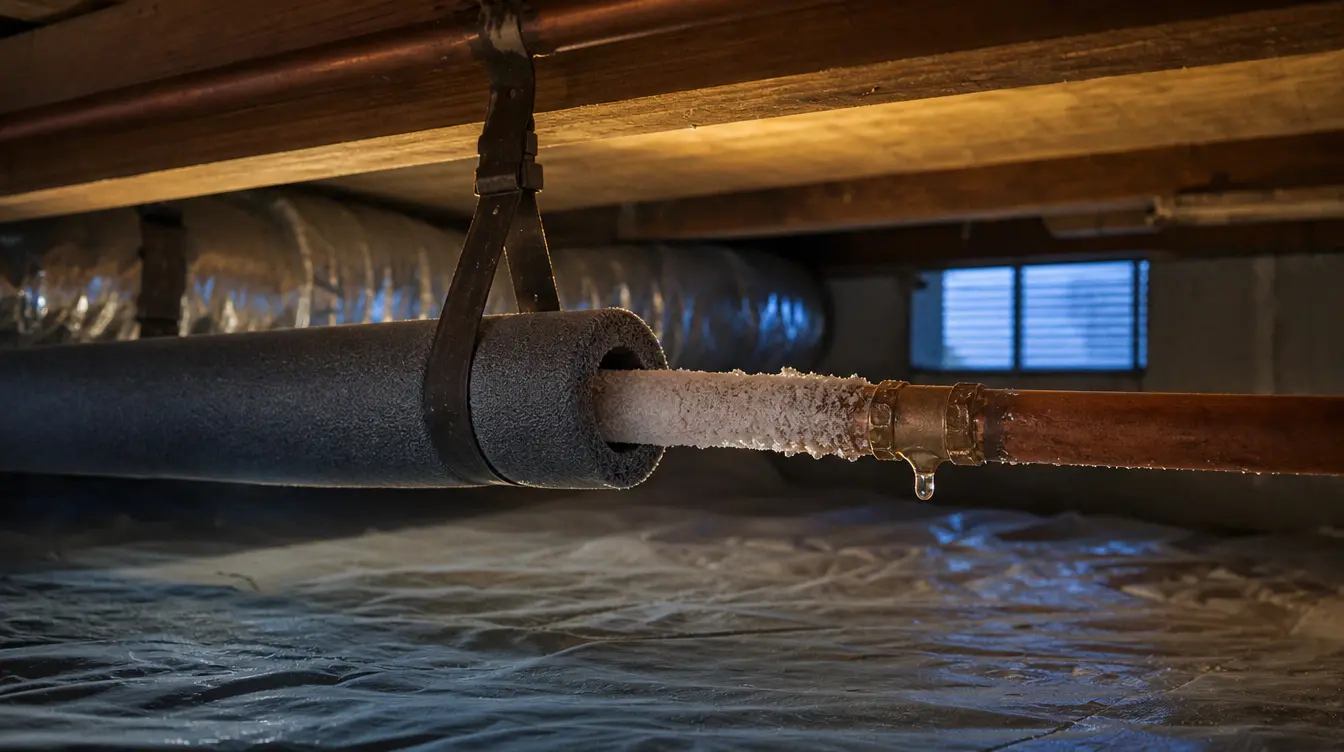
Winter Freezes and Your Home- How to Prevent Frozen Pipes and Water Damage
One hard freeze can crack a pipe inside a wall overnight. Here is how to protect your Georgia home before the next cold snap and what to do if a pipe bursts.
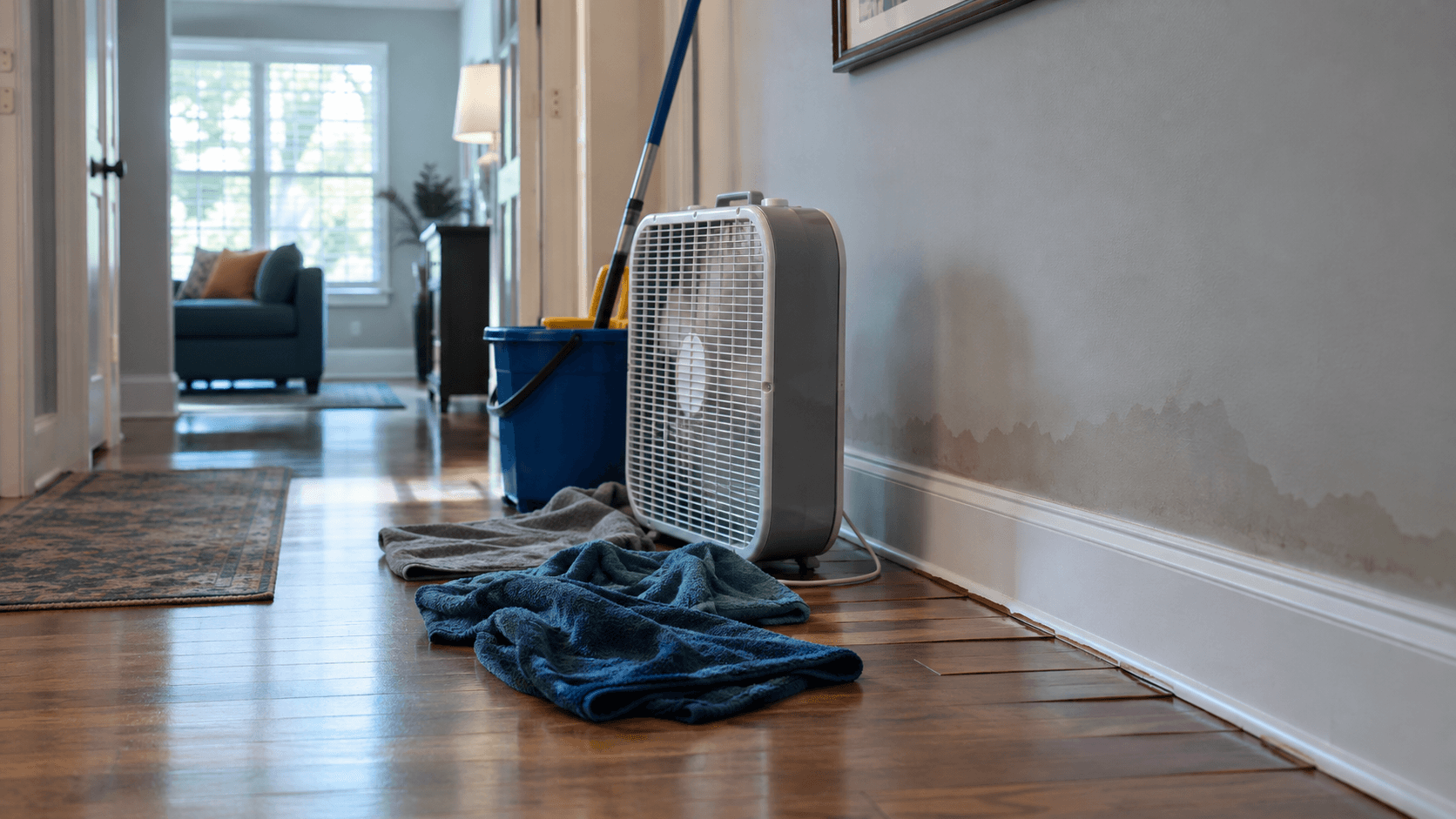
Why Proper Drying Makes All the Difference
A mop and a box fan leave water trapped in your walls and floors. Here is why proper structural drying prevents mold, rot, and denied insurance coverage.
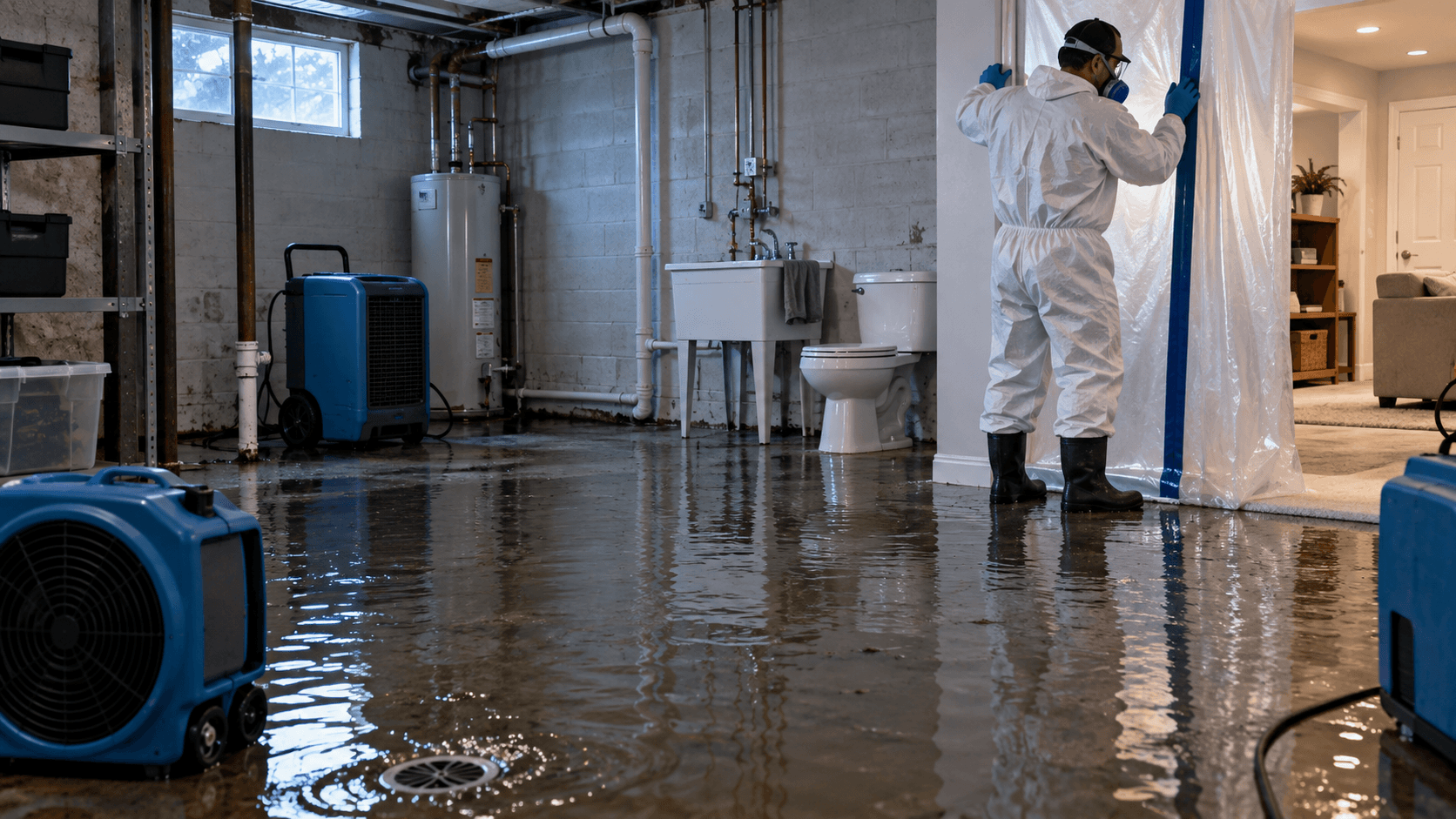
Raw Sewage in Your Home?
Sewage backup in your home? Here is how to secure the area, what never to do with Category 3 water, and what professional cleanup and insurance involve.
Serving 44+ Cities Across Greater Atlanta
Select your city to see local restoration services near you
Select your city to see local restoration services near you