Winter Freezes and Your Home- How to Prevent Frozen Pipes and Water Damage

When winter arrives, most homeowners think about staying warm and preparing for snow or ice. What often gets overlooked is the damage freezing temperatures can cause to the structure of your home.
A hard freeze can turn into a major loss in a matter of hours. A pipe freezes overnight, cracks inside a wall, and begins leaking as temperatures rise. By the time the problem is discovered, water may have already damaged multiple areas of your home.
For homeowners throughout Georgia and the Southeast, sudden cold snaps can be especially concerning. Many homes in this region are not accustomed to prolonged freezing temperatures, leaving plumbing in crawl spaces, garages, and exterior walls vulnerable to the cold.
The December 2022 freeze across the metro Atlanta area is a reminder of just how quickly things can go wrong. Taking a few preventative measures before temperatures drop can help protect your home and prevent costly repairs.
A Look Back at the 2022 Atlanta Freeze
The extreme cold that swept through the Southeast over Christmas weekend in December 2022 caused widespread plumbing problems and property damage. Temperatures at Atlanta’s official weather station dropped to 8°F on December 24, which is far below the freezing point of 32°F.
The impact was felt throughout the surrounding communities. At Champion, we received several hundred phone calls from homeowners/ businesses that were impacted by the freeze. Apartment buildings, businesses, and other properties across the metro Atlanta area reported flooding as frozen pipes began to thaw and release water.
Even homes and businesses that have never experienced frozen plumbing can be vulnerable when temperatures fall well below freezing.
The Cost of Water Damage
Winter water damage is more than an inconvenience. It can become a significant financial burden for homeowners. The actual cost depends on the size of the leak, how far the water traveled, which materials are affected, and how quickly the problem is addressed. A small leak caught early may be manageable, while a burst pipe that goes unnoticed for hours can affect multiple rooms or floors.
Preparing your home before a freeze is often far less expensive and disruptive than dealing with the aftermath.
How Freezing Temperatures Affect Your Home
Frozen and Burst Pipes
When water freezes inside a pipe, it expands and pressure builds up that causes the pipe to crack or rupture. The damage may not become apparent until the ice begins to thaw and water starts escaping through the damaged section.
Pipes located in crawl spaces, unfinished basements, attics, unheated garages, exterior walls, and beneath sinks are especially vulnerable. Since a majority of a home’s plumbing is concealed, a leak may continue for some time before visible signs appear.
Roof Leaks and Exterior Damage
Winter weather can also worsen existing roof damage and drainage problems. Damaged shingles, flashing, and clogged gutters can create opportunities for water to enter your home.
In areas that experience snowfall, ice dams may form when melting snow refreezes along roof edges. Water can back up beneath roofing materials and enter the attic or interior of the home.
Inspecting your roof, cleaning your gutters, and correcting drainage problems before winter arrives can help reduce the risk of water intrusion.
How to Protect Your Home Before a Freeze
1. Insulate exposed pipes.
Inspect plumbing in crawl spaces, garages, basements, attics, and other areas exposed to cold air. Add appropriate insulation where needed, and address gaps that allow cold air to reach plumbing. A qualified plumber can recommend additional protection for especially vulnerable pipes.
2. Disconnect outdoor hoses.
Disconnect garden hoses, drain them, and store them before freezing weather arrives. Properly winterize outdoor faucets and irrigation systems
3. Seal drafts and maintain your heating system.
Check around windows, doors, utility openings, and exterior walls for gaps that allow cold air to creep inside. Keep your heating system operating during freezing weather, even when you are away.
4. Open cabinet doors during severe cold.
Opening cabinets beneath kitchen and bathroom sinks can help warmer indoor air circulate around plumbing located along exterior walls. For particularly vulnerable pipes, a slow faucet drip may also help under certain conditions. (This is not a substitute for proper insulation and heating!)
5. Inspect your roof and gutters.
Address visible roof damage, clean gutters, and make sure downspouts direct water away from your home’s foundation before winter weather arrives.
6. Know where your main water shutoff valve is located.
This is very important! (and not just during freezing weather!) If a pipe bursts, shutting off the water supply quickly can limit the amount of water entering your home. Make sure everyone in your household knows where the valve is and how to operate it.
What to Do if a Pipe Freezes or Bursts
Recognizing a problem early can help prevent further damage. Warning signs of a frozen pipe include reduced water pressure, little or no water coming from a faucet, and visible frost on exposed plumbing.
If you suspect a frozen pipe, do not ignore it simply because you cannot see a leak. The pipe may already be damaged, and water could begin escaping once the ice melts. Never use an open flame to thaw plumbing.This can lead to further damages, and poses different risks. (IE. fire hazard, more pipe damage/ bursts, creation of carbon monoxide, etc) Contact a qualified plumber if the frozen section is inaccessible or you suspect a crack.
If a pipe bursts:
- Make sure the area is safe. Stay away from standing water near electrical outlets, wiring, or electrical equipment.
- Shut off the water supply. Turn off the main water valve if you can reach it safely.
- Document the damage. Take photographs and videos
- Address the water promptly. Standing water and moisture trapped in building materials can cause additional damage if left untreated. Contact us for evaluation ASAP.
Why Professional Water Mitigation Matters
After a pipe bursts, removing visible water is only part of the process. Moisture can spread throughout the structure of your home. There is likely more damage than the naked eye can see.
Even when surfaces appear dry, moisture may remain inside the structure. Professional water mitigation may involve water extraction, moisture mapping, removal of materials that cannot be adequately dried, and the use of commercial grade drying equipment.
The appropriate approach depends on the amount of water, the materials affected, and how long the area has been wet. Proper assessment and drying help address hidden moisture before it causes additional problems.
A Quick Winter Preparation Checklist
Before the next freeze, take a few minutes to make sure you have:
☐ Insulated exposed water pipes.
☐ Sealed drafts that allow cold air to reach plumbing.
☐ Disconnected garden hoses and winterized outdoor faucets.
☐ Maintained indoor temperatures.
☐ Inspected your roof and cleared gutters.
☐ Located your main water shutoff valve.
☐ Arranged for someone to check your home if you will be away.
Protect Your Home Before Winter Arrives
The freeze in December of 2022 showed how quickly extreme cold can lead to burst pipes, flooding, and widespread property damage. You do not have to wait for another major freeze to take these risks seriously.
If your home experiences a burst pipe or winter related water loss, remember that prompt assessment and proper drying can help limit further damage and get the mitigation process started.
At Champion, we understand how disruptive unexpected water damage can be. Our team provides professional water mitigation services to help homeowners address water intrusions, affected materials, and take the necessary steps toward restoring their property.
If you discover water damage in your home this winter, contact our team for assistance. Taking action early can make a significant difference.
A little preparation before the first freeze can save you a great deal of trouble after it.
You Might Also Like
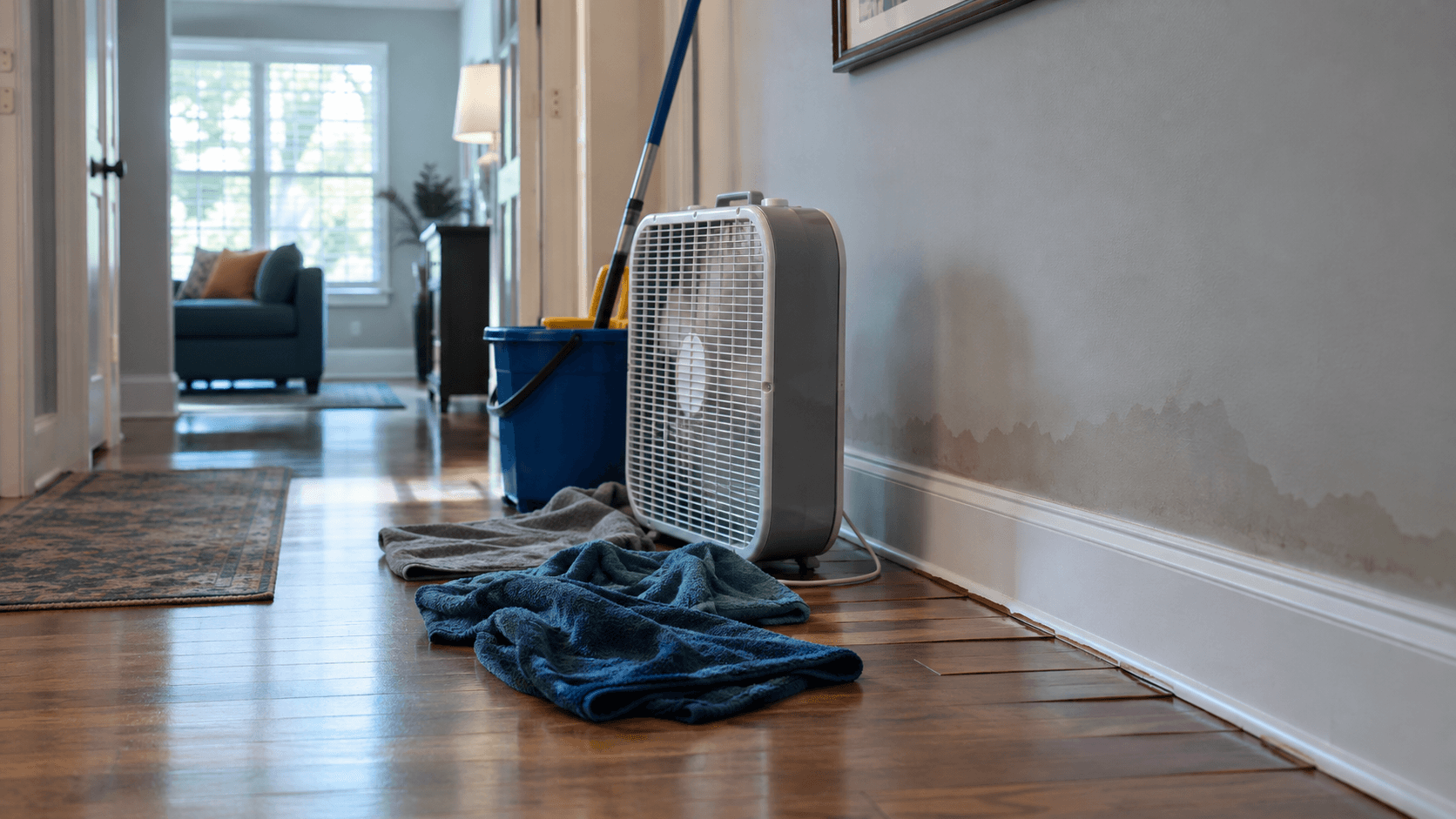
Why Proper Drying Makes All the Difference
A mop and a box fan leave water trapped in your walls and floors. Here is why proper structural drying prevents mold, rot, and denied insurance coverage.
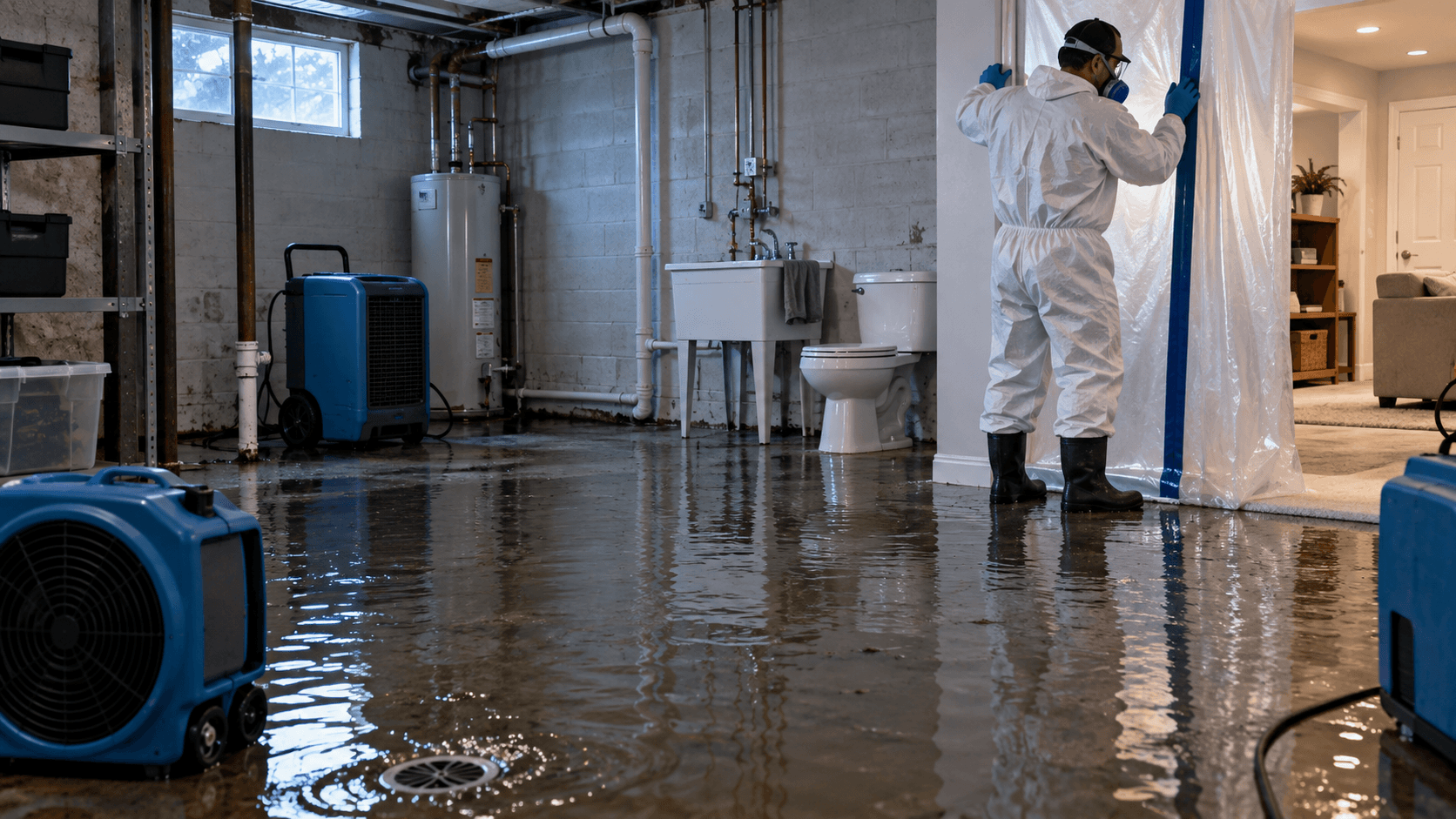
Raw Sewage in Your Home?
Sewage backup in your home? Here is how to secure the area, what never to do with Category 3 water, and what professional cleanup and insurance involve.
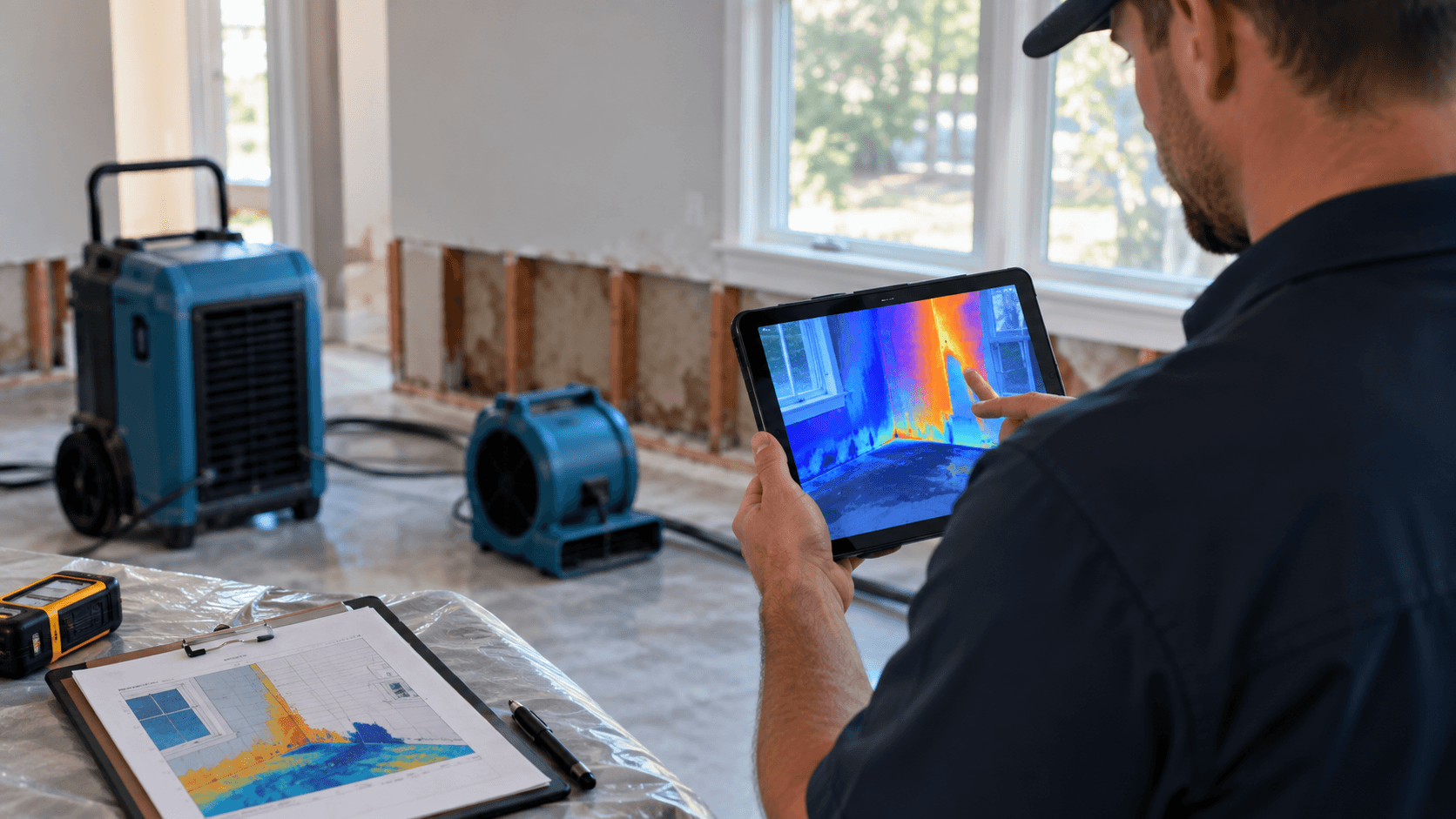
Why Documentation Matters During a Water Loss
Adjusters only pay for what you can prove. Here are the thermal images, moisture maps, and drying logs we build during a water loss so your claim gets paid.
Serving 44+ Cities Across Greater Atlanta
Select your city to see local restoration services near you
Select your city to see local restoration services near you