Why HVAC Maintenance Is Critical for Winter Fire Safety

Your Furnace Is a Fire Risk You Are Ignoring
Most homeowners never think about their furnace until it stops working. But a neglected HVAC system is one of the leading causes of winter house fires. Heating equipment is responsible for the second-highest number of home fires in the United States, and many of these fires are directly attributable to deferred maintenance.
Before cranking up the heat this winter, understanding the risks and scheduling proper maintenance could prevent a fire in your home.
How Furnaces Cause Fires
The most common furnace fire cause is a dirty or clogged air filter. When the filter is blocked, airflow is restricted and the heat exchanger overheats. In severe cases, this overheating can ignite dust accumulated on or near the unit. A filter that costs two dollars to replace can prevent a fire that costs tens of thousands in damage.
Dust and debris accumulation inside the furnace cabinet, on the burner assembly, and in the blower compartment creates fuel for ignition when components overheat. Electrical connections that loosen over time can arc and spark near this accumulated dust.
Cracked heat exchangers allow combustion gases and potentially flames to escape the contained burn chamber. This is particularly dangerous in older furnaces that have operated for 15 or more years without inspection.
Gas furnaces with malfunctioning ignition systems or gas valves can create conditions for gas accumulation, which is an explosion risk. Carbon monoxide leaks from cracked heat exchangers are also a deadly risk that regular maintenance detects.
What Annual HVAC Maintenance Includes
A professional HVAC maintenance visit should include inspection and cleaning of the burner assembly, testing of the ignition system, inspection of the heat exchanger for cracks, electrical connection tightening and testing, thermostat calibration, blower motor lubrication and inspection, ductwork inspection for leaks and blockages, carbon monoxide testing, and filter replacement.
Schedule this maintenance in early fall before you need the system. Demand for HVAC technicians increases dramatically once cold weather arrives, making appointments harder to secure.
What You Can Do Between Professional Visits
Replace your furnace filter every one to three months during the heating season. A clean filter is the single most impactful maintenance step you can perform yourself. Check the filter monthly and replace it when it appears visibly dirty.
Keep the area around your furnace clear of storage, especially flammable items. Boxes, paper, cleaning supplies, paint, and other materials stored near the furnace are fuel in the event of a malfunction. Maintain at least three feet of clearance on all sides.
Ensure all supply and return vents throughout your home are open and unobstructed by furniture, curtains, or rugs. Blocked vents increase pressure on the system and can cause overheating.
Listen for unusual sounds. Banging, popping, or squealing from your furnace indicates mechanical problems that should be addressed before they escalate. A yellow or flickering pilot light instead of a steady blue flame on a gas furnace indicates combustion problems that need immediate professional attention.
Ductwork and Fire Safety
Ductwork distributes heated air throughout your home, but it also distributes smoke and fire if a furnace fire occurs. Leaky ductwork in attics and crawl spaces can accumulate dust and debris that becomes fuel. Disconnected or damaged ducts near the furnace can allow heat and sparks to contact combustible materials.
Have your ductwork inspected during your annual HVAC maintenance visit. Ensure all connections are secure and sealed, especially within six feet of the furnace.
When Furnace Fires Cause Damage
If a furnace fire damages your home, evacuate immediately and call 911. After the fire department clears the property, contact your insurance company and a professional fire damage restoration company.
Champion Cleaning Systems provides 24/7 fire and smoke damage restoration across Sharpsburg, Stockbridge, Buford, Newnan, and all of metro Atlanta.
Call Champion 24/7 at (404) 282-6821.
You Might Also Like
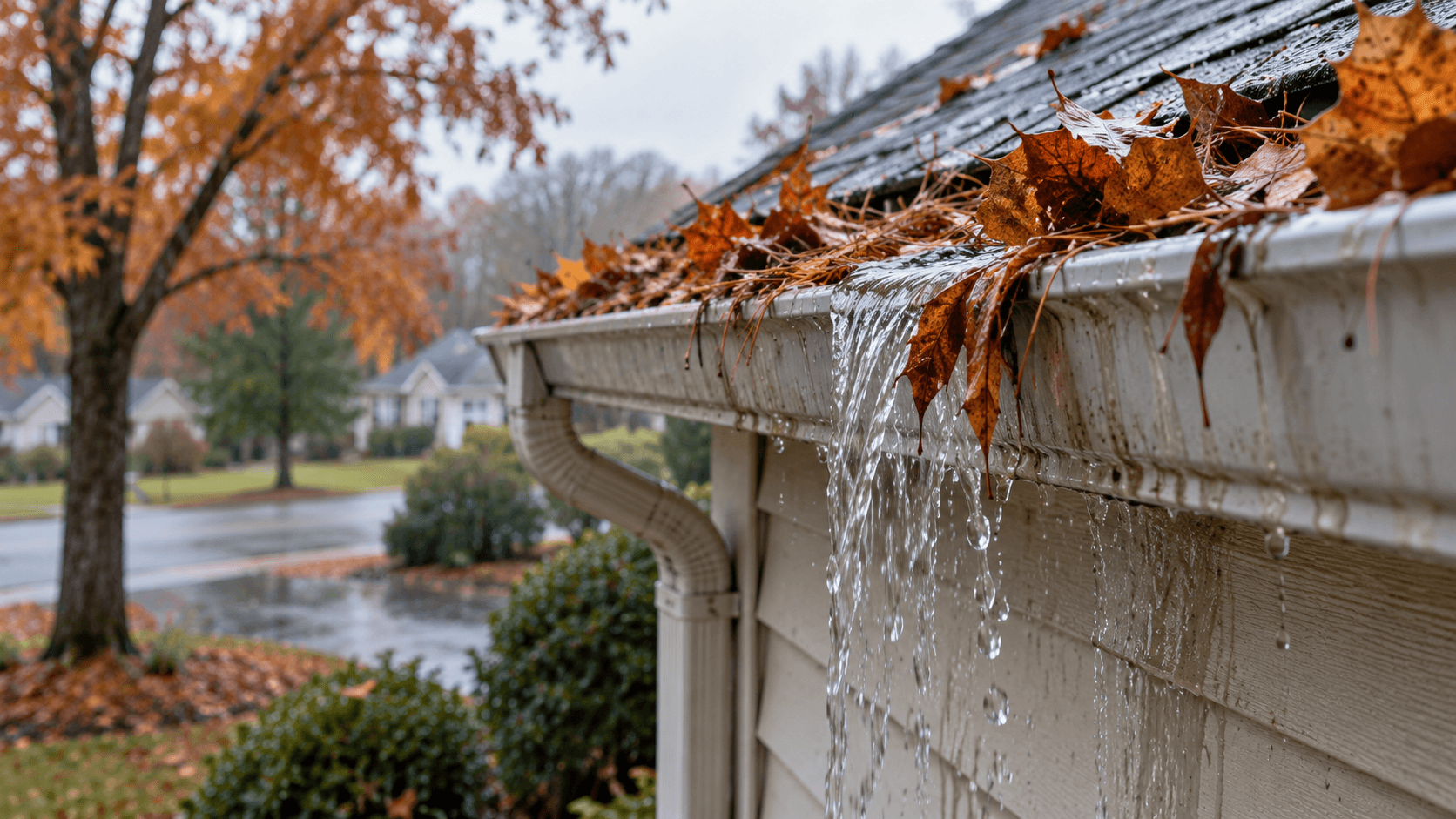
How Fall Gutter Maintenance Makes a Difference
Clogged gutters send rainwater straight to your foundation. Here is how fall gutter cleaning prevents flooded basements, cracked foundations, rot, and mold.
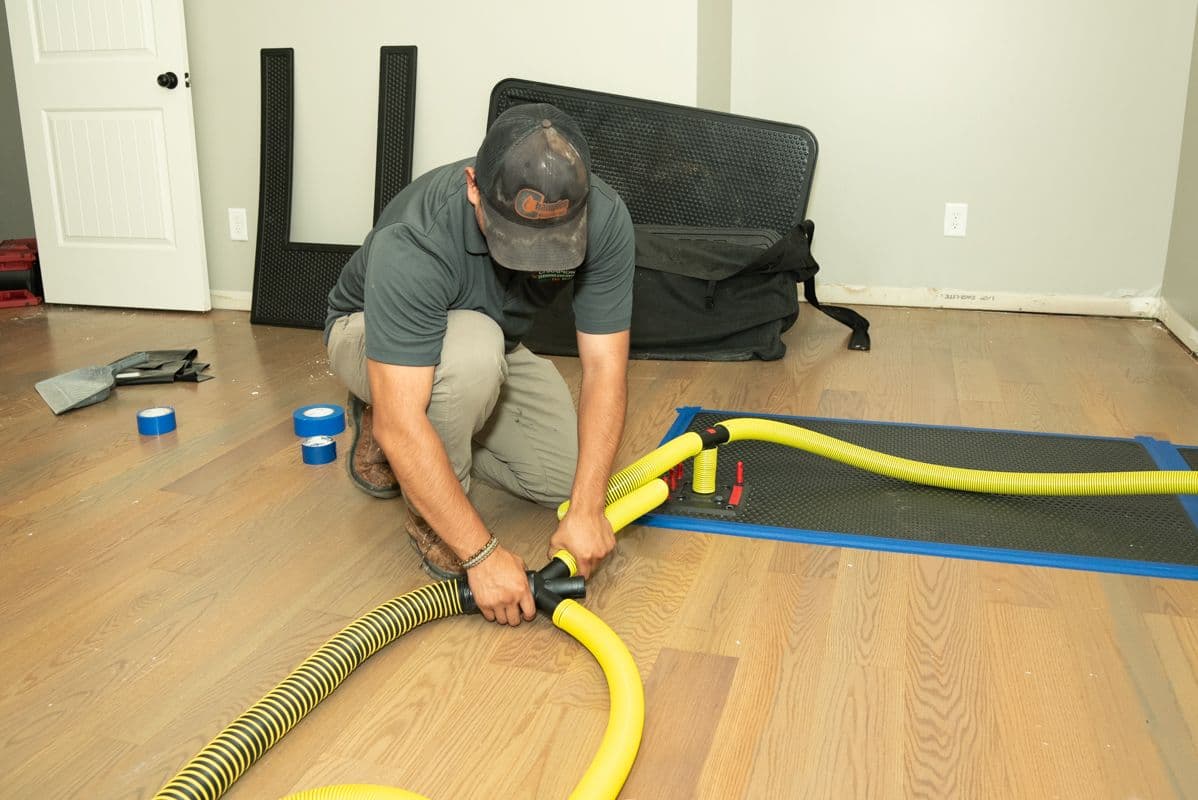
Spring Storm Preparedness: Protect Your Atlanta Home from Flooding
Spring storms in Georgia bring heavy rain and flash flooding. Learn the exterior and interior steps to protect your home and what to do if flooding occurs.
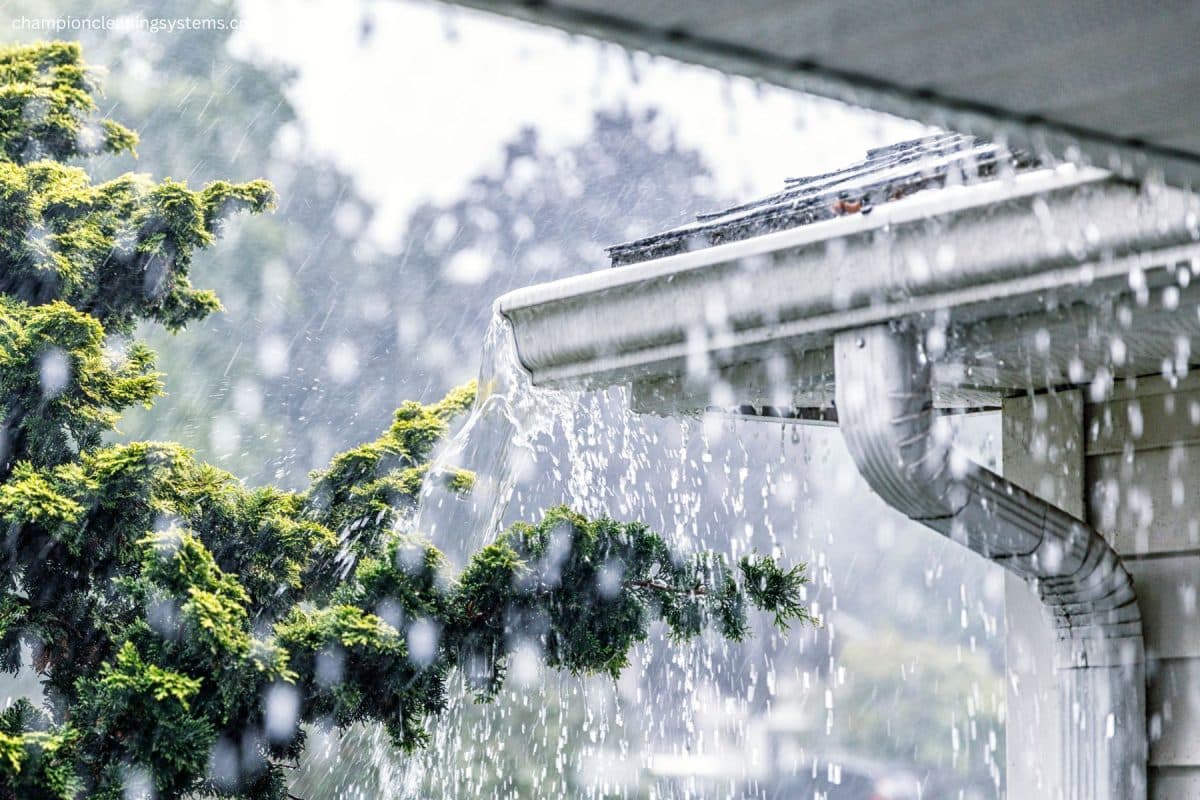
Spring Water Damage Prevention: Gutters, Grading, and More
Spring rains test every weakness in your home's defenses. Learn the essential prevention steps Atlanta homeowners should take before the rainy season hits.
Serving 44+ Cities Across Greater Atlanta
Select your city to see local restoration services near you
Select your city to see local restoration services near you