How to Check Your Gutters Before Winter

Why Gutters Matter More Than You Think
Gutters are not glamorous, but they are one of your home's most important defenses against water damage. Their job is simple: channel rainwater and snowmelt away from your roof, walls, and foundation. When they fail, the consequences are expensive.
Clogged or damaged gutters cause ice dams that push water under roof shingles. They allow water to pool against foundations, seeping into basements and crawl spaces. They cause fascia boards to rot and siding to deteriorate. For homeowners across metro Atlanta, from Stockbridge to Newnan, a pre-winter gutter inspection is one of the most cost-effective ways to prevent water damage.
Step 1: Clear All Debris
Start by removing leaves, twigs, dirt, and any accumulated debris from your gutters. Late fall is the ideal time, after most trees have dropped their leaves but before the first freeze. Use a gutter scoop or garden trowel, working your way toward the downspout to avoid pushing debris into the drain.
Wear heavy work gloves to protect your hands from sharp edges, decomposing material, and potential pest nests. Use a sturdy ladder positioned on level ground, and never overreach. If your home is two stories or higher, consider hiring a professional.
Step 2: Inspect for Damage
With the gutters cleared, visually inspect the entire system for problems. Look for sections that are sagging or pulling away from the fascia board, which indicates failed hangers or screws. Check for cracks, holes, or rust spots, especially at seams and joints where sections connect.
Pay attention to the condition of the fascia board itself. If it is soft, discolored, or shows signs of rot, water has been sitting against it. This is a sign that the gutters have been failing for a while.
Step 3: Test Water Flow
Use a garden hose to run water through the entire gutter system. Watch for leaks at joints, slow drainage that indicates partial blockages, and water that spills over the edges instead of flowing toward the downspout.
If water backs up or drains slowly, there may be a clog deeper in the downspout. Disconnect the lower section of the downspout and clear the blockage. A plumber's snake can help with stubborn clogs.
Step 4: Check Downspout Placement
Downspouts should extend at least four to six feet away from your home's foundation. If they discharge water directly at the base of your home, that water will find its way into your basement or crawl space. Use downspout extensions or splash blocks to direct water away from the structure.
In areas with clay-heavy soil common throughout Georgia, proper drainage is especially critical. Clay soil does not absorb water well, which means pooling water has nowhere to go except against your foundation.
Step 5: Consider Gutter Guards
If your home is surrounded by mature trees, gutter guards can significantly reduce maintenance and prevent clogs. Several types are available including mesh screens, foam inserts, and surface-tension designs. No guard eliminates maintenance entirely, but they can reduce the frequency of cleaning from twice a year to once every two to three years.
Step 6: Address Ice Dam Prevention
Ice dams form when heat escaping from the attic melts snow on the roof. The meltwater flows down to the colder eaves and refreezes, creating a dam that forces water under shingles and into the home. Proper attic insulation and ventilation are the long-term fix. In the short term, ensuring gutters are clear and functional helps meltwater drain instead of pooling.
Heat cables installed along the eave line can also prevent ice dam formation in problem areas.
When Gutter Neglect Causes Water Damage
If you are already seeing signs of water damage from gutter failure, including staining on ceilings, peeling paint on exterior walls, dampness in the basement, or mold growth, do not wait to address it. Water damage compounds quickly, and mold can begin growing within 24 to 48 hours of moisture exposure.
Champion Cleaning Systems provides professional water damage restoration across metro Atlanta, including Sharpsburg, Stockbridge, Buford, and Newnan. We respond 24/7 with a 60-minute arrival time.
Call Champion 24/7 at (404) 282-6821.
You Might Also Like
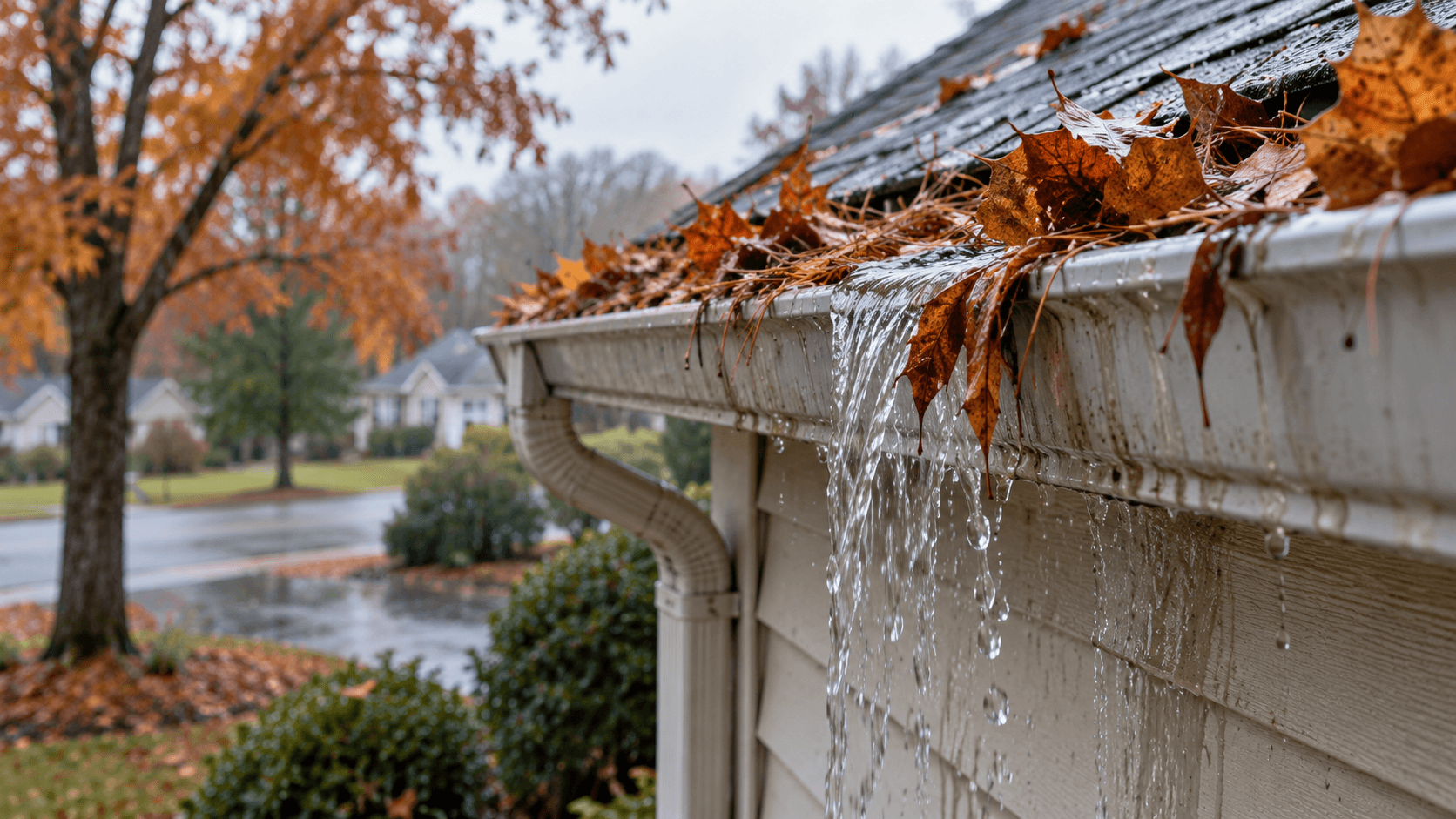
How Fall Gutter Maintenance Makes a Difference
Clogged gutters send rainwater straight to your foundation. Here is how fall gutter cleaning prevents flooded basements, cracked foundations, rot, and mold.
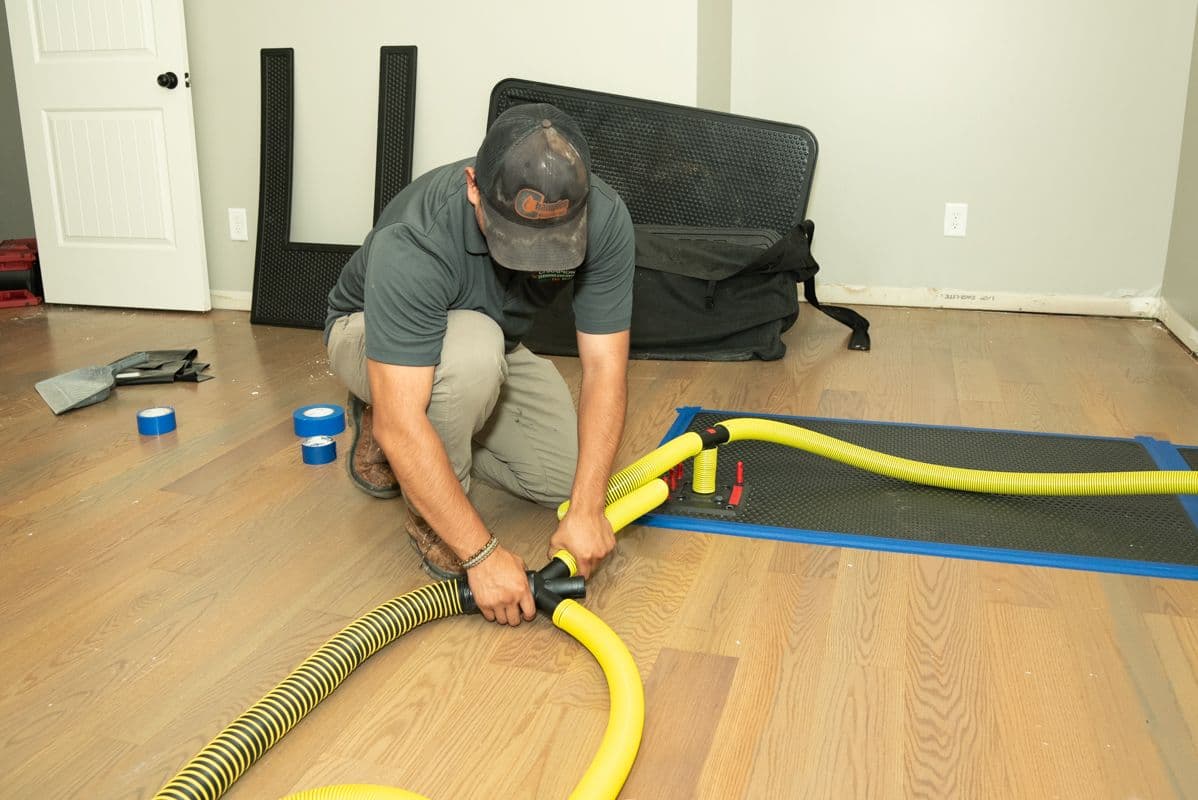
Spring Storm Preparedness: Protect Your Atlanta Home from Flooding
Spring storms in Georgia bring heavy rain and flash flooding. Learn the exterior and interior steps to protect your home and what to do if flooding occurs.
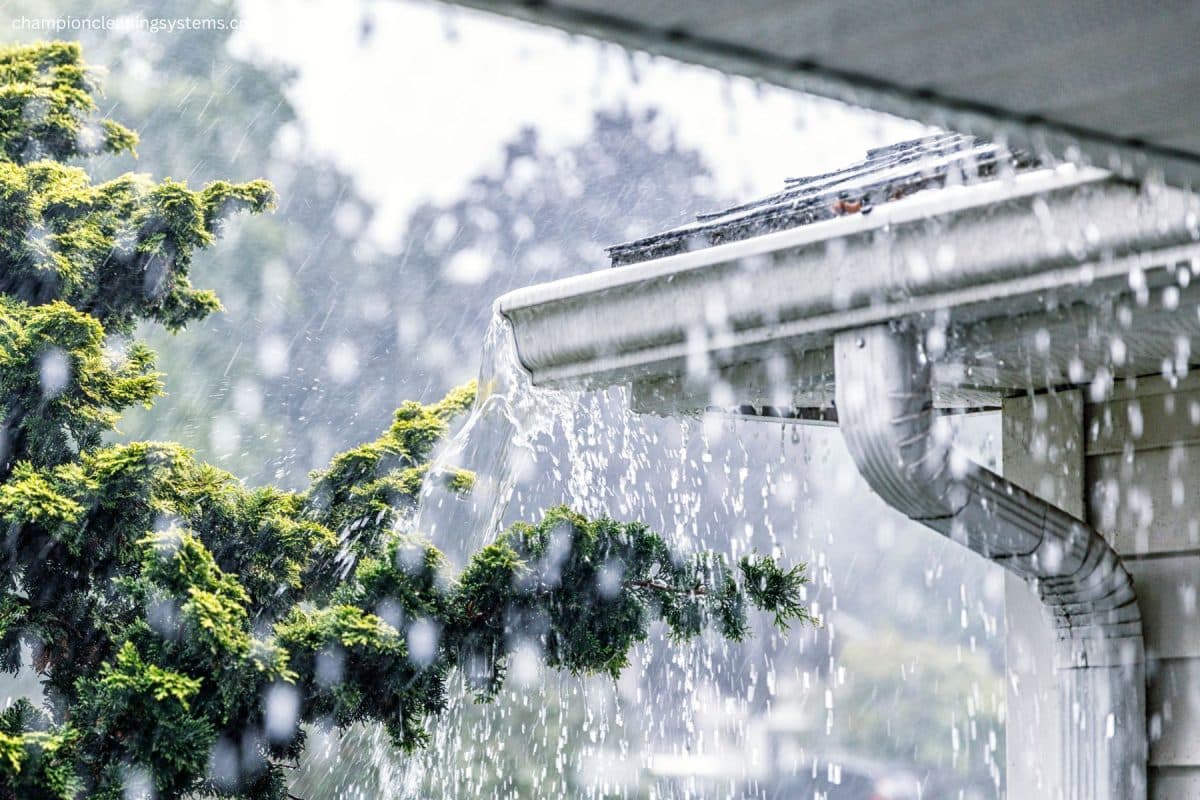
Spring Water Damage Prevention: Gutters, Grading, and More
Spring rains test every weakness in your home's defenses. Learn the essential prevention steps Atlanta homeowners should take before the rainy season hits.
Serving 44+ Cities Across Greater Atlanta
Select your city to see local restoration services near you
Select your city to see local restoration services near you