Complete Guide to Sewage Cleanup in Atlanta

Sewage Cleanup Is Not a DIY Job
A sewage backup is one of the most hazardous events a homeowner can experience. Raw sewage contains bacteria, viruses, parasites, and chemical contaminants that pose immediate health risks. The cleanup requires specialized equipment, strict safety protocols, and professional expertise that goes far beyond mopping and disinfecting.
For Atlanta homeowners dealing with a sewage backup, understanding the process and acting quickly is essential for protecting both your health and your property.
Common Causes in the Atlanta Metro Area
Atlanta's aging sewer infrastructure contributes to backup frequency, particularly in older neighborhoods. Tree root intrusion into sewer laterals is the leading cause, as roots seek moisture and penetrate joints and cracks in aging clay and cast iron pipes. Heavy rainfall events overwhelm combined sewer systems, forcing sewage back through residential connections. Grease buildup from kitchen drains gradually narrows pipe diameter until flow is completely blocked.
Homes in areas like Sharpsburg, Stockbridge, and Newnan that use septic systems face additional risks from tank overflow, drain field saturation, and system failures caused by improper maintenance.
Health Hazards of Sewage Exposure
Raw sewage is classified as Category 3 black water, the most hazardous classification in the restoration industry. It contains E. coli, Salmonella, Hepatitis A, Cryptosporidium, and dozens of other pathogens that cause serious illness. Exposure occurs through direct skin contact, ingestion, and inhalation of contaminated air.
Children, elderly individuals, and anyone with compromised immune systems are at highest risk, but sewage exposure is dangerous for everyone. The health risks are not limited to the water itself. Once sewage contacts porous materials, those materials continue harboring pathogens until they are professionally removed and the area is treated.
What Professional Sewage Cleanup Involves
The remediation process follows strict protocols designed for Category 3 contamination. The first step is establishing safety measures: protective equipment for all workers, containment of the affected area, and shutdown of the HVAC system to prevent airborne contamination.
All standing sewage water is extracted using commercial equipment. Every porous material that contacted the sewage must be removed. This includes carpet, padding, drywall to at least 12 inches above the waterline, insulation, and any personal items that cannot be thoroughly disinfected. These materials are bagged and disposed of as biohazardous waste.
Hard surfaces are cleaned and disinfected using EPA-registered antimicrobial agents. The area is then dried using commercial air movers and dehumidifiers, with HEPA air scrubbers running throughout the process to remove airborne contaminants.
Final verification includes surface testing to confirm contamination levels are within safe parameters before reconstruction begins.
Insurance Coverage for Sewage Backups
Standard homeowner's insurance in Georgia typically does not cover sewer or drain backups unless you have purchased a specific endorsement, often called sewer backup or water backup coverage. This endorsement is usually available for a modest annual premium and is one of the most valuable additions to any homeowner's policy.
If you do not currently have this endorsement, contact your insurance agent to add it. If you do have it and experience a backup, file your claim within 24 hours with thorough documentation of the damage.
Prevention Measures
Have your sewer lateral inspected with a camera every few years, especially if your home is more than 25 years old. Address tree root intrusion before it causes a complete blockage. Avoid pouring grease down kitchen drains. Do not flush anything other than human waste and toilet paper. If you have a septic system, maintain a regular pumping schedule.
Install a backwater valve on your sewer lateral if your home is in a low-lying area or has experienced previous backups. This valve allows sewage to flow out but prevents it from flowing back in during system overloads.
When Sewage Backup Strikes
Do not attempt cleanup yourself. Evacuate the affected area, shut off the HVAC system, and call a professional restoration company immediately.
Champion Cleaning Systems provides 24/7 emergency sewage cleanup and Category 3 remediation across Sharpsburg, Stockbridge, Buford, Newnan, and metro Atlanta. We respond within 60 minutes.
Call Champion 24/7 at (404) 282-6821.
You Might Also Like
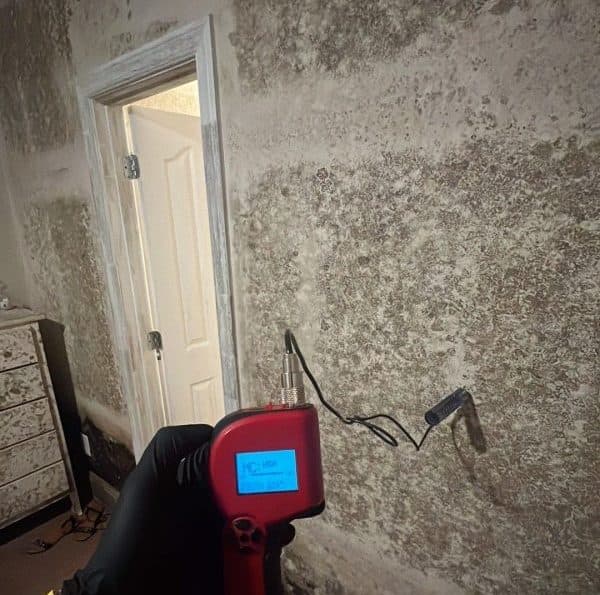
Mold in Your Home: What Not to Do
Found mold? Your first instinct could make it worse. Learn the five biggest mistakes homeowners make when dealing with mold and what to do instead.
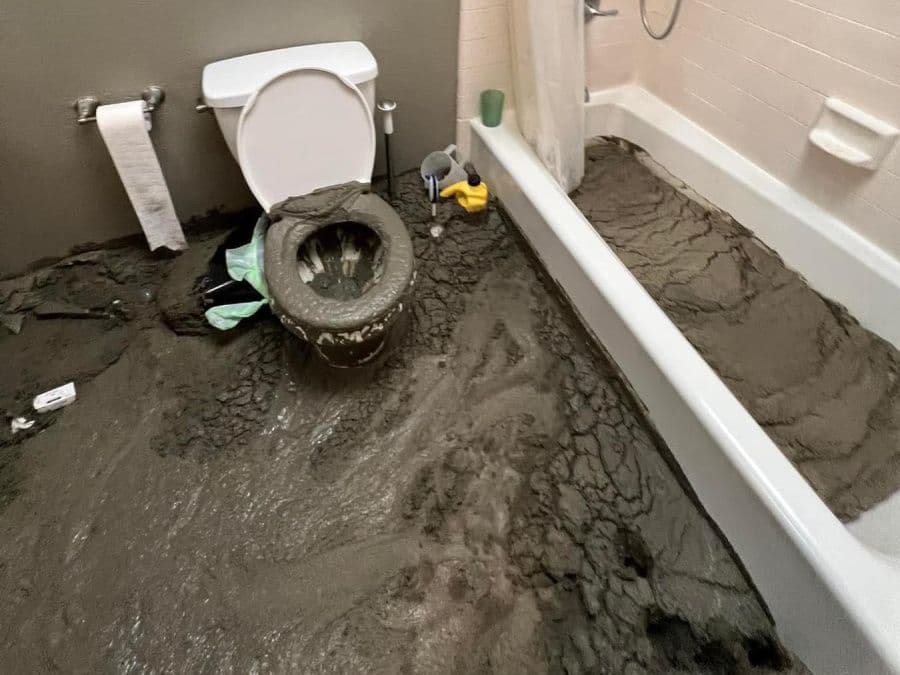
Sewage Backup: How Dangerous Is It and What to Do
A sewage backup is a health emergency, not just a mess. Learn the dangers of raw sewage in your home and the steps to take immediately after a backup.
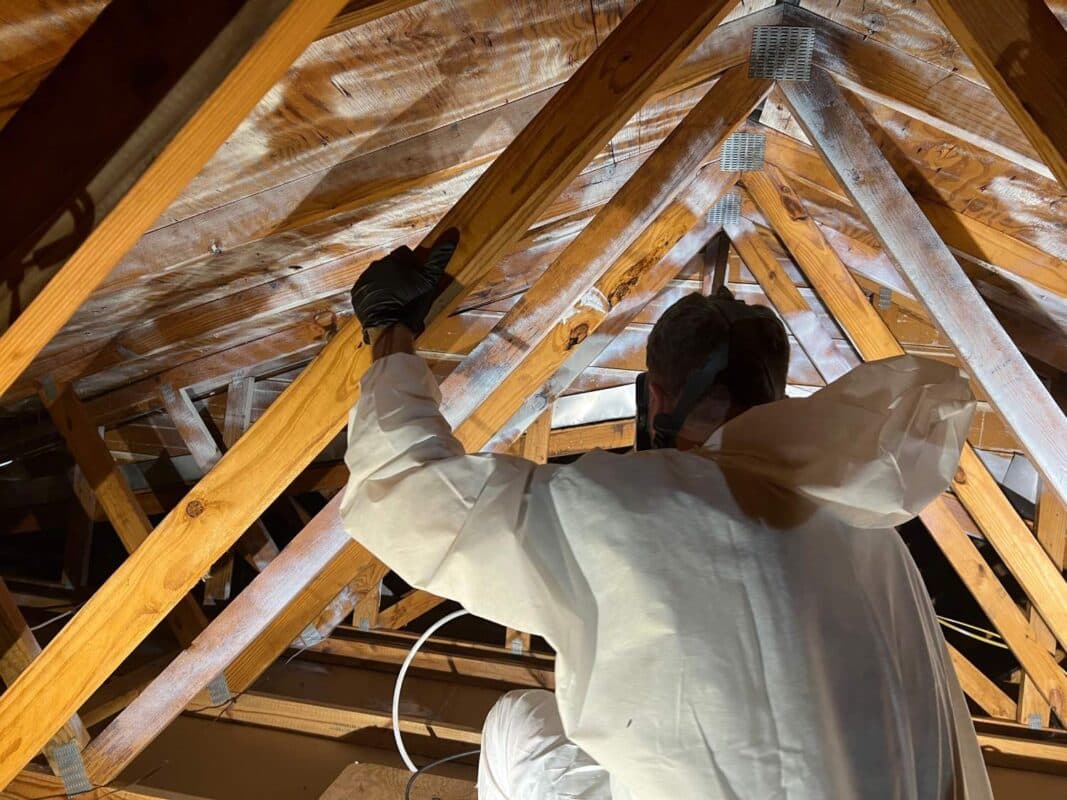
Roof Leak Mold Remediation: What Atlanta Homeowners Need to Know
A roof leak creates the perfect conditions for mold in your attic and walls. Learn how mold develops from roof leaks and why professional remediation is essential.
Serving 44+ Cities Across Greater Atlanta
Select your city to see local restoration services near you
Select your city to see local restoration services near you