Roof Leak Mold Remediation: What Atlanta Homeowners Need to Know

Roof Leaks and Mold Go Hand in Hand
A roof leak is not just a roofing problem. It is a mold problem waiting to happen. When water enters your home through a compromised roof, it saturates attic insulation, soaks into roof decking, runs along rafters and joists, and seeps into wall cavities. In Georgia's warm, humid climate, these wet materials become mold colonies within 24 to 48 hours.
The challenge with roof leak mold is that it often develops in spaces homeowners rarely inspect: attics, behind knee walls, inside ceiling cavities, and between floors. By the time visible signs appear on interior surfaces, the mold has been growing for weeks or months.
How Roof Leaks Create Mold Conditions
Mold needs three things to grow: moisture, an organic food source, and temperatures between 40 and 100 degrees. A roof leak provides the moisture. Wood framing, drywall, insulation, and dust provide the food. Georgia's climate provides the temperature.
Even a small roof leak that introduces a few tablespoons of water during each rain event creates chronic moisture conditions in the attic or ceiling cavity. The materials never fully dry between rain events, maintaining the damp conditions mold needs for continuous growth.
Insulation is particularly problematic. Fiberglass batts that absorb water from a roof leak retain that moisture for extended periods, creating a mold incubator that is hidden from view. By the time the insulation is inspected, it is often saturated and heavily contaminated.
Signs of Mold From a Roof Leak
Musty odors on the upper floor or in the attic are often the first indicator. Dark staining on ceiling drywall may be mold growing on the backside of the drywall, visible as a shadow through the material before it actually penetrates to the surface.
Peeling or bubbling paint on ceilings and upper walls suggests moisture behind the surface. Warped or sagging ceiling areas indicate prolonged water exposure and likely mold colonization.
In the attic, look for dark staining on the underside of roof decking, discolored or matted insulation, and visible mold growth on rafters and joists. Any musty smell in the attic confirms moisture and likely mold presence.
Why DIY Mold Removal Is Insufficient
Mold from roof leaks is typically established in areas that are difficult to access and span larger areas than what is visible. Scrubbing visible mold off a rafter does not address the mold inside the roof decking, in the insulation, or on surfaces you cannot see.
Disturbing mold without proper containment disperses millions of spores throughout the attic and potentially into the living space below through ceiling penetrations, recessed lights, and HVAC returns. This cross-contamination spreads the problem to areas that were previously unaffected.
Professional Mold Remediation Process
Professional remediation begins with containing the affected area using physical barriers and negative air pressure to prevent spore migration. HEPA-filtered air scrubbers run continuously throughout the process.
Contaminated insulation is removed and bagged for disposal. Mold on structural wood is treated with specialized antimicrobial agents and mechanically cleaned. In cases of severe contamination, affected wood may need to be removed and replaced.
Once remediation is complete, the roof leak itself must be repaired to prevent recurrence. New insulation is installed, and the area is treated with preventive antimicrobial application.
Fix the Roof First
Mold remediation without fixing the roof leak is pointless. The mold will return as soon as the next rain introduces new moisture. Any mold remediation plan should include coordinating with a roofing contractor to ensure the source of water intrusion is repaired before or during the remediation process.
Champion Cleaning Systems provides professional mold remediation for roof leak damage across Sharpsburg, Stockbridge, Buford, Newnan, and metro Atlanta.
Call Champion 24/7 at (404) 282-6821.
You Might Also Like
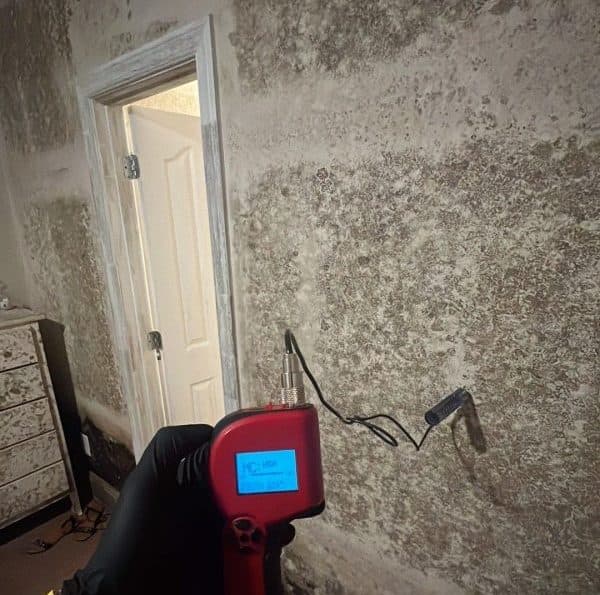
Mold in Your Home: What Not to Do
Found mold? Your first instinct could make it worse. Learn the five biggest mistakes homeowners make when dealing with mold and what to do instead.
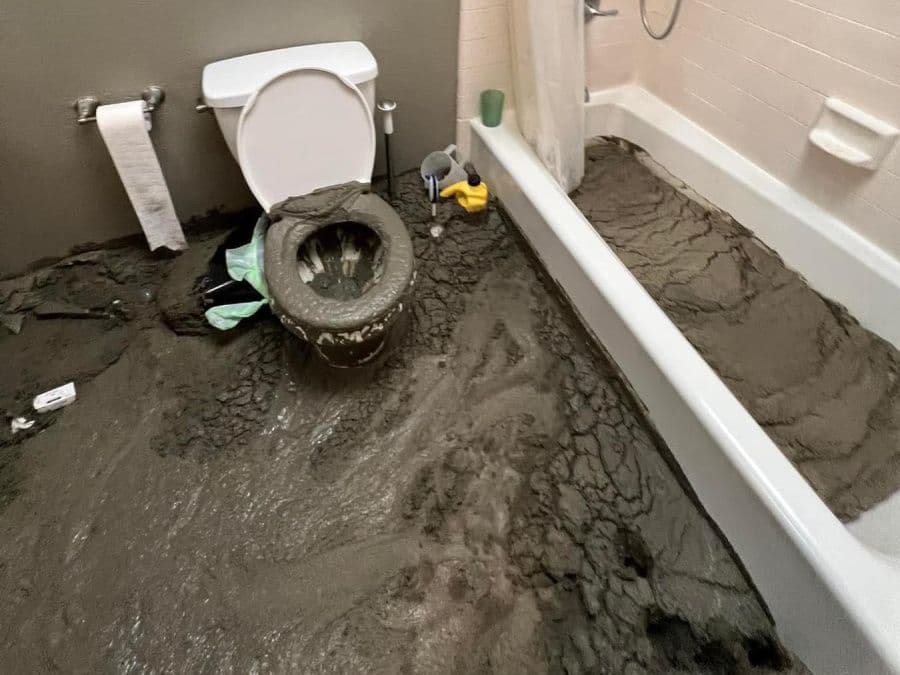
Sewage Backup: How Dangerous Is It and What to Do
A sewage backup is a health emergency, not just a mess. Learn the dangers of raw sewage in your home and the steps to take immediately after a backup.
Complete Guide to Sewage Cleanup in Atlanta
Sewage backups are a health emergency requiring professional cleanup. Learn what causes sewage backups in Atlanta homes and how Champion handles remediation.
Serving 44+ Cities Across Greater Atlanta
Select your city to see local restoration services near you
Select your city to see local restoration services near you