Mold in Your Home: What Not to Do

Your First Instinct Is Probably Wrong
Finding mold in your home triggers an immediate urge to scrub it away. Whether it is a dark smudge behind the curtains, a fuzzy patch under the kitchen sink, or that musty smell in the basement, the discovery feels urgent. But mold is not a stain. It is a living organism with root structures that penetrate deep into the materials it grows on. How you react in the first 24 hours determines whether you solve the problem or spread it throughout your home.
Do Not Reach for the Bleach
This is the most common and most damaging mistake. Bleach is approximately 90 percent water. When you spray it on porous materials like drywall, wood, or grout, the chlorine stays on the surface and bleaches the visible mold, making it look gone. Meanwhile, the water component soaks deep into the material, feeding the mold's root system called hyphae. A week later the mold returns more aggressively because you provided exactly what it needed: moisture.
Bleach works on non-porous surfaces like glass and stainless steel. On the porous materials where mold actually grows in homes, it makes the problem worse.
Do Not Paint Over It
Covering mold with paint, even mold-resistant paint, does not kill it. The mold continues growing beneath the paint layer, feeding on the drywall and organic material behind it. Within weeks or months, the paint bubbles, cracks, and peels away, revealing a larger mold colony than what you started with.
This approach does not just delay the fix. It makes remediation more expensive because now the paint layer must also be removed, and the mold has had additional time to spread through the wall cavity.
Do Not Ignore Small Patches
A small patch of visible mold is rarely the full picture. Mold on the surface of a wall means moisture has been present long enough for colonization, which means the conditions inside the wall are likely worse. By the time you see mold on the outside of drywall, the backside of the drywall, the insulation behind it, and potentially the wall studs are already affected.
Ignoring a small visible patch gives the colony time to expand. What starts as a minor remediation project becomes a major one.
Do Not Dry the Area Without Removing the Mold
Setting up fans to dry a moldy area without first removing the mold is one of the most counterproductive things you can do. Fans blow mold spores into the air and distribute them throughout your home. Spores that land on other damp surfaces establish new colonies in locations that were previously unaffected.
If you find mold in a damp area, address the moisture source first, then contain and remediate the mold. Airflow should only be introduced after contaminated materials are removed and the area is treated.
Do Not Disturb Mold Without Protection
Scrubbing, scraping, or disturbing mold without proper containment and personal protective equipment releases millions of spores into the air. These spores can trigger allergic reactions, asthma attacks, and respiratory irritation in anyone nearby, not just the person doing the cleaning.
Professional mold remediation uses containment barriers, negative air pressure, and HEPA-filtered air scrubbers to prevent cross-contamination. Technicians wear respiratory protection rated for particulate filtration. These precautions exist because the health risks of uncontrolled mold disturbance are well documented.
What You Should Do Instead
Stop the moisture source. Mold cannot grow without water. Fix the leak, dry the area, or address the humidity problem before anything else.
Avoid disturbing the mold. Do not touch it, scrub it, or blow air on it. Leave the area as undisturbed as possible until a professional can assess it.
Document the damage with photos for insurance purposes. Check your policy for mold coverage, which may be limited or require a specific endorsement.
Call a professional mold remediation company. Mold that covers more than 10 square feet, mold inside wall cavities, or mold resulting from sewage or contaminated water always requires professional remediation.
Champion Cleaning Systems provides professional mold remediation across Sharpsburg, Stockbridge, Buford, Newnan, and all of metro Atlanta. Our IICRC-certified team responds 24/7 with containment, removal, and prevention protocols.
Call Champion 24/7 at (404) 282-6821.
You Might Also Like
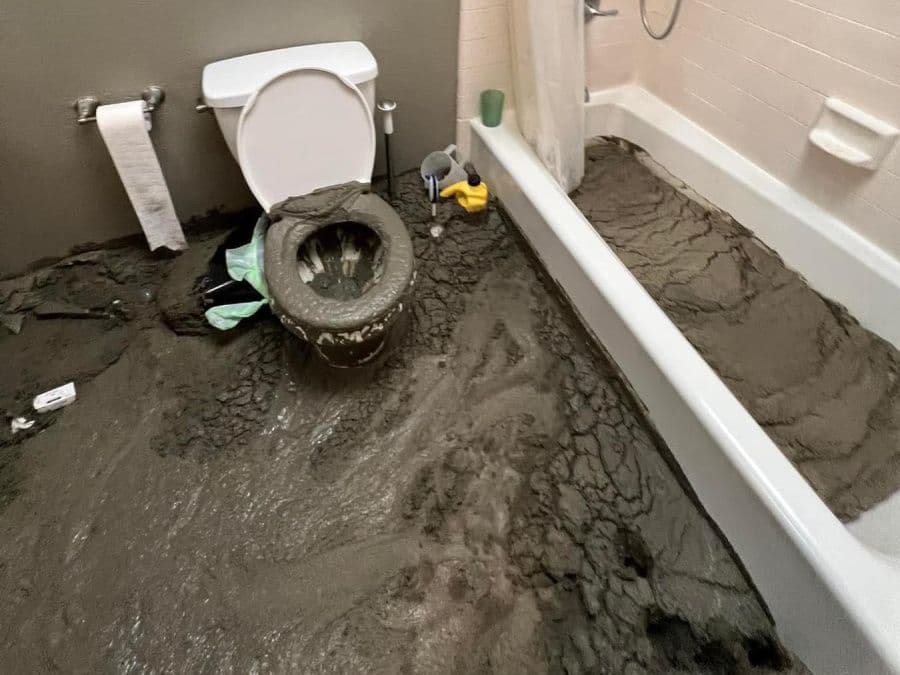
Sewage Backup: How Dangerous Is It and What to Do
A sewage backup is a health emergency, not just a mess. Learn the dangers of raw sewage in your home and the steps to take immediately after a backup.
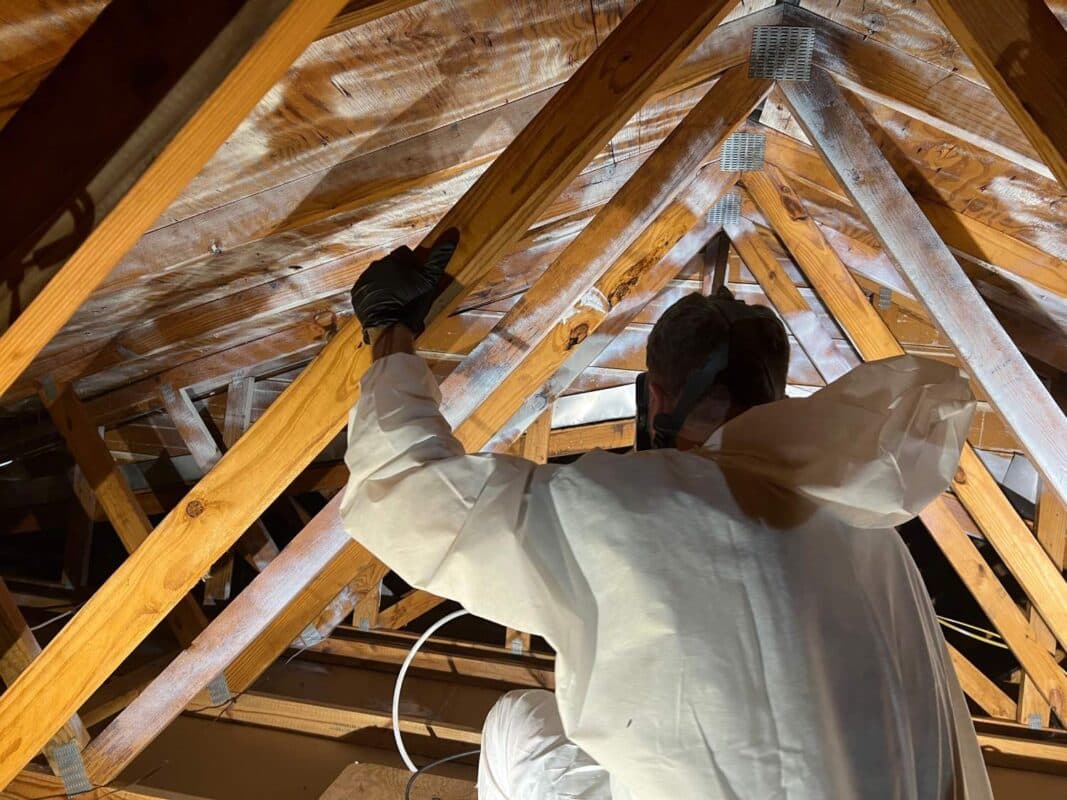
Roof Leak Mold Remediation: What Atlanta Homeowners Need to Know
A roof leak creates the perfect conditions for mold in your attic and walls. Learn how mold develops from roof leaks and why professional remediation is essential.
Complete Guide to Sewage Cleanup in Atlanta
Sewage backups are a health emergency requiring professional cleanup. Learn what causes sewage backups in Atlanta homes and how Champion handles remediation.
Serving 44+ Cities Across Greater Atlanta
Select your city to see local restoration services near you
Select your city to see local restoration services near you