Sewage Backup: How Dangerous Is It and What to Do

Sewage Is Not Just Unpleasant. It Is Dangerous.
A sewage backup is one of the most serious water damage events a homeowner can face. Unlike a clean water leak from a supply line, sewage contains bacteria, viruses, parasites, and other pathogens that pose immediate health risks to anyone in the home. E. coli, Salmonella, Hepatitis A, and other organisms thrive in raw sewage and can cause serious illness through direct contact, inhalation of contaminated air, or ingestion.
The restoration industry classifies sewage as Category 3 black water, the most hazardous classification. It requires professional remediation with strict safety protocols. This is never a DIY cleanup.
What Causes Sewage Backups
The most common causes include blockages in the main sewer line from tree root intrusion, grease buildup, or foreign objects flushed down toilets. Heavy rainfall can overwhelm municipal sewer systems, forcing sewage back through floor drains and toilet connections into homes. Aging sewer infrastructure in older Atlanta-area neighborhoods is particularly susceptible to these events.
Septic system failures can also cause backups, especially in homes across areas like Sharpsburg and Newnan that rely on septic rather than municipal sewer connections.
Immediate Steps After a Sewage Backup
Do not walk through or touch the sewage water. The bacteria and pathogens it contains can enter your body through cuts, mucous membranes, and even intact skin. If you must enter the area, wear rubber boots, waterproof gloves, and eye protection at minimum.
Shut off the HVAC system immediately. Running your heating or air conditioning while sewage is present will circulate contaminated air throughout your home.
If the backup is minor and limited to one area, shut off the water supply to prevent additional flow. If the backup is extensive, evacuate the home and do not return until professional remediation is complete.
Ventilate the area by opening windows if you can do so without walking through contaminated water.
Do not attempt to clean up sewage with household cleaning products. Bleach and disinfectants are insufficient for Category 3 water contamination. Mopping sewage only spreads the contamination to previously unaffected areas.
What Professional Remediation Involves
Professional sewage cleanup follows strict protocols designed to eliminate health hazards and prevent secondary damage. The team begins by extracting all contaminated water using commercial-grade equipment. All porous materials that contacted sewage, including carpet, padding, drywall up to at least 12 inches above the waterline, and insulation, are removed and disposed of as biohazardous waste.
The affected area is then cleaned and disinfected using EPA-registered antimicrobial agents. Structural materials are dried using the same commercial drying equipment used for standard water damage restoration. Air scrubbers with HEPA filtration remove airborne contaminants throughout the drying process.
Once drying is complete and all surfaces test clean, reconstruction can begin.
Insurance and Sewage Claims
Standard homeowner's insurance policies in Georgia typically do not cover sewer or drain backups unless you have purchased a specific endorsement, often called sewer backup coverage or water backup coverage. Check your policy now, before you need it. This endorsement is usually inexpensive and well worth adding.
If you do have coverage, document the damage thoroughly before cleanup begins and file your claim within 24 hours.
Do Not Delay
Sewage contamination worsens rapidly. Bacterial counts multiply exponentially in warm, wet environments. Materials that could have been cleaned within the first few hours may require complete removal if left for a day or more.
Champion Cleaning Systems provides 24/7 emergency sewage cleanup and Category 3 water damage restoration across Sharpsburg, Stockbridge, Buford, Newnan, and metro Atlanta. We respond within 60 minutes with the equipment, training, and safety protocols this type of damage demands.
Call Champion 24/7 at (404) 282-6821.
You Might Also Like
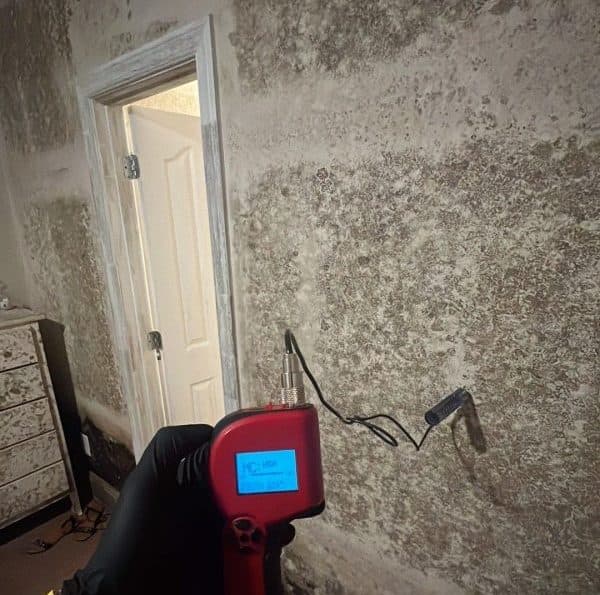
Mold in Your Home: What Not to Do
Found mold? Your first instinct could make it worse. Learn the five biggest mistakes homeowners make when dealing with mold and what to do instead.
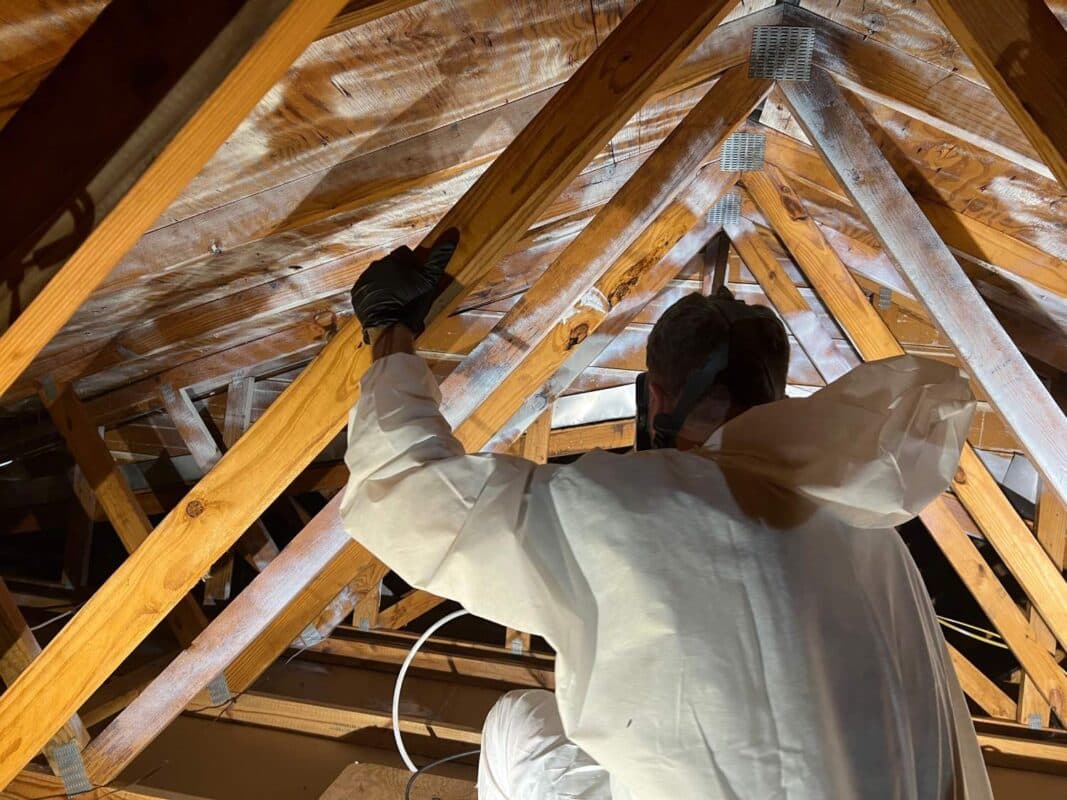
Roof Leak Mold Remediation: What Atlanta Homeowners Need to Know
A roof leak creates the perfect conditions for mold in your attic and walls. Learn how mold develops from roof leaks and why professional remediation is essential.
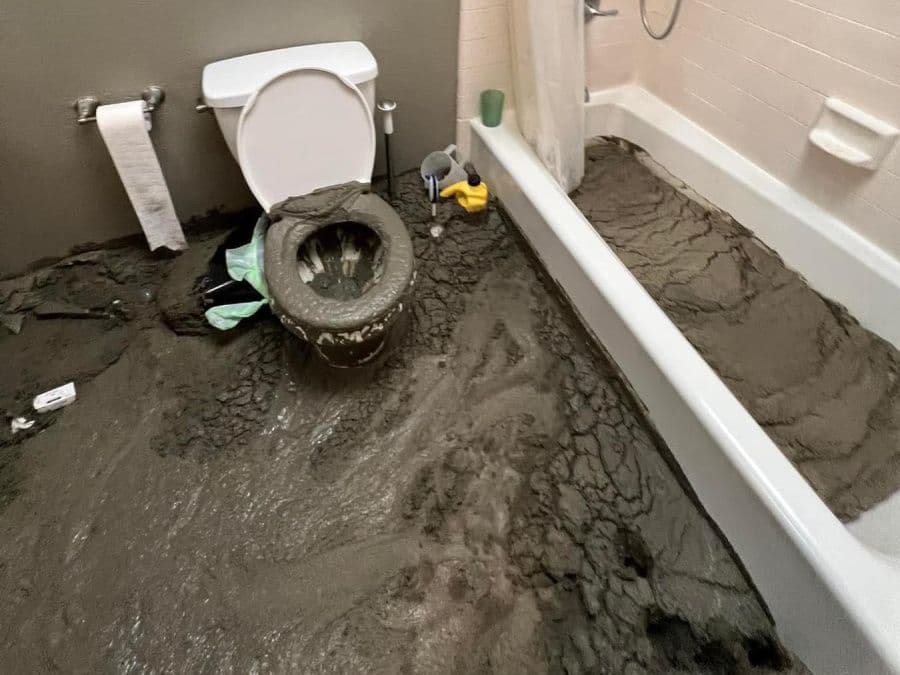
Complete Guide to Sewage Cleanup in Atlanta
Sewage backups are a health emergency requiring professional cleanup. Learn what causes sewage backups in Atlanta homes and how Champion handles remediation.
Serving 44+ Cities Across Greater Atlanta
Select your city to see local restoration services near you
Select your city to see local restoration services near you