Take Note! Top Causes for Fall and Winter Fires

As temperatures drop, our team starts getting called out for fire and smoke restoration right alongside frozen pipe calls.
When a fire occurs, the fire department puts it out with hundreds or thousands of gallons of water. That leaves homeowners dealing with a combination of fire, smoke, and major water damage all at once. The good news is that most fall and winter heating fires are preventable.
Here are the top causes of heating season fires we see every year and simple ways to keep your home safe.
Space Heaters Placed Too Close to Things
Keep a clear three foot safety zone around every space heater. Move curtains, blankets, couches, and rug edges away from the heat source. Always plug space heaters straight into a wall outlet instead of an extension cord or power strip, which can easily overheat. Turn them completely off, and unplug them whenever you leave the room or head to sleep.
Dirty Chimneys and Unmaintained Fireplaces
Creosote builds up inside your chimney liner every time you burn wood and it is extremely flammable. When the fireplace gets hot enough, that built up creosote can ignite and spark a dangerous chimney fire that spreads to the roof and walls.
Hire a certified chimney sweep to inspect and clean your chimney once a year before lighting your first fire of the season.
Neglected Furnaces and Heating Units
Furnaces sit idle all spring and summer. When you turn them back on in the fall, dust sitting on internal heating elements can scorch. Worn out electrical parts can also fail under the sudden load.
Schedule a quick HVAC checkup before winter sets in. Swap out your air filters on time because a clogged filter forces your furnace to run much hotter than it should.
Overloaded Outlets and Holiday Lights
Electrical use spikes during colder weather. Between space heaters, heated blankets, and holiday decorations, circuits get overworked fast. Avoid plugging multiple extension cords into each other. Check holiday light strands for damaged wires or sockets before putting them up.
Quick Safety Checks for Any Home
Test your smoke and carbon monoxide alarms today and replace old batteries before turning the heat on for the season.
Store fireplace ashes in a metal bucket with a tight lid. Keep that bucket outside on dirt or concrete, well away from wooden decks or side walls.
Know where your main water shutoff valve is located! If firefighters ever have to douse a blaze in your home, turning off the water main quickly helps control extra flooding from damaged pipes.
Stay safe and warm this season. If you ever run into fire, smoke, or water damage, we are ready to help 24/7, 365!
You Might Also Like
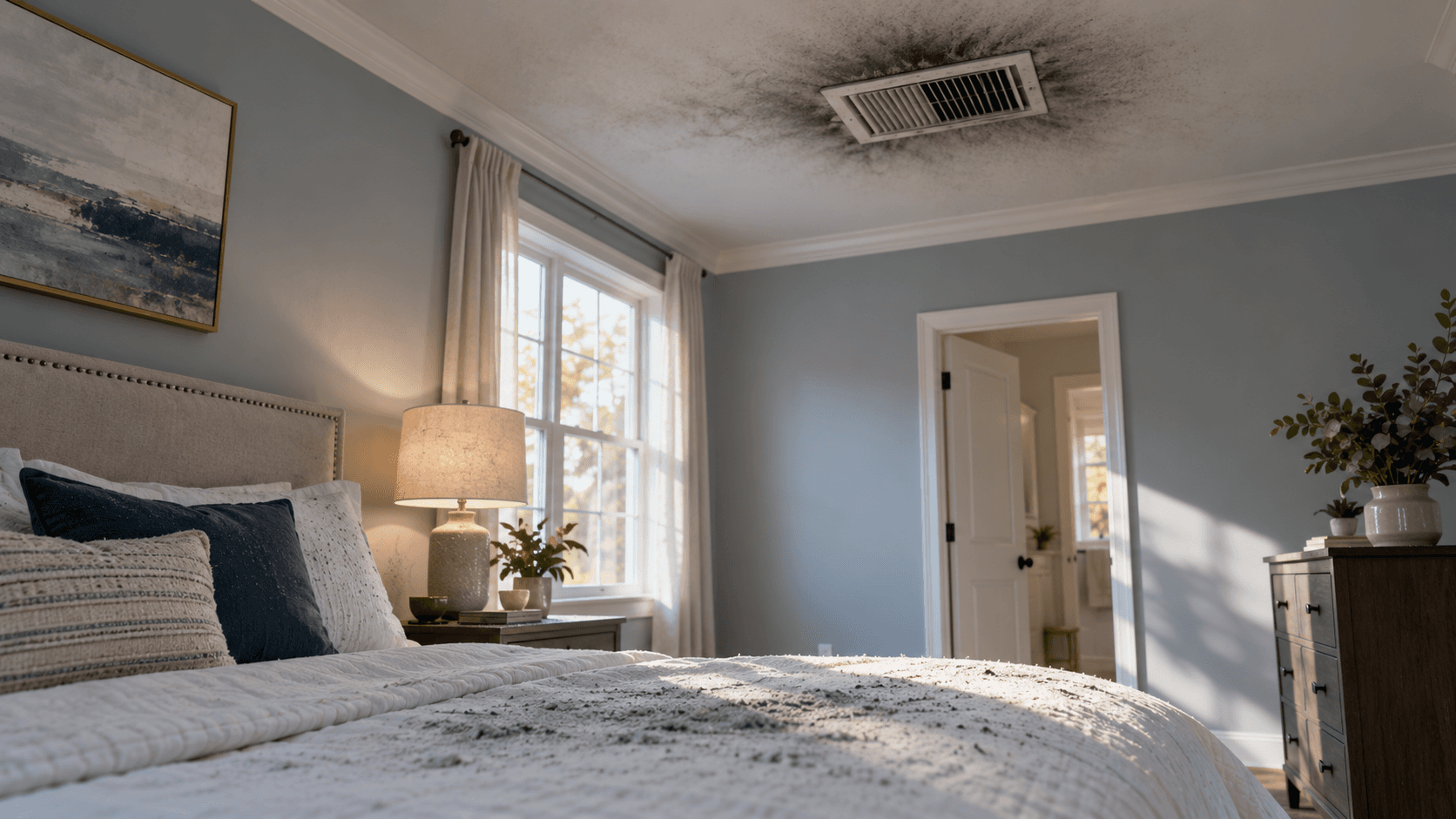
Damage Doesn't Stop Where the Flames Do
The fire stayed in one room, but the smoke did not. Here is how soot travels through your HVAC system and walls, and why household cleaners make it worse.
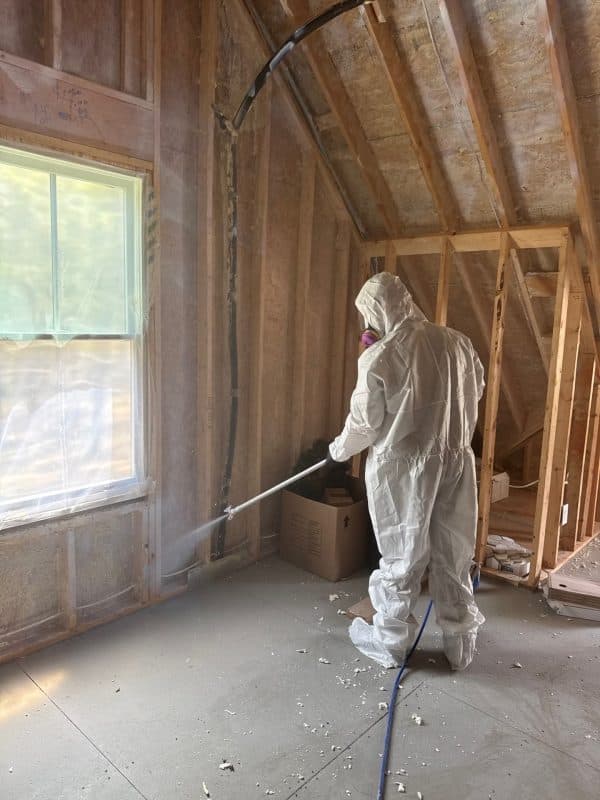
The Hidden Dangers of Smoke Damage and How to Remove It
Smoke damage goes far beyond what you can see. Learn about the health risks of soot and smoke residue and why professional removal is essential.
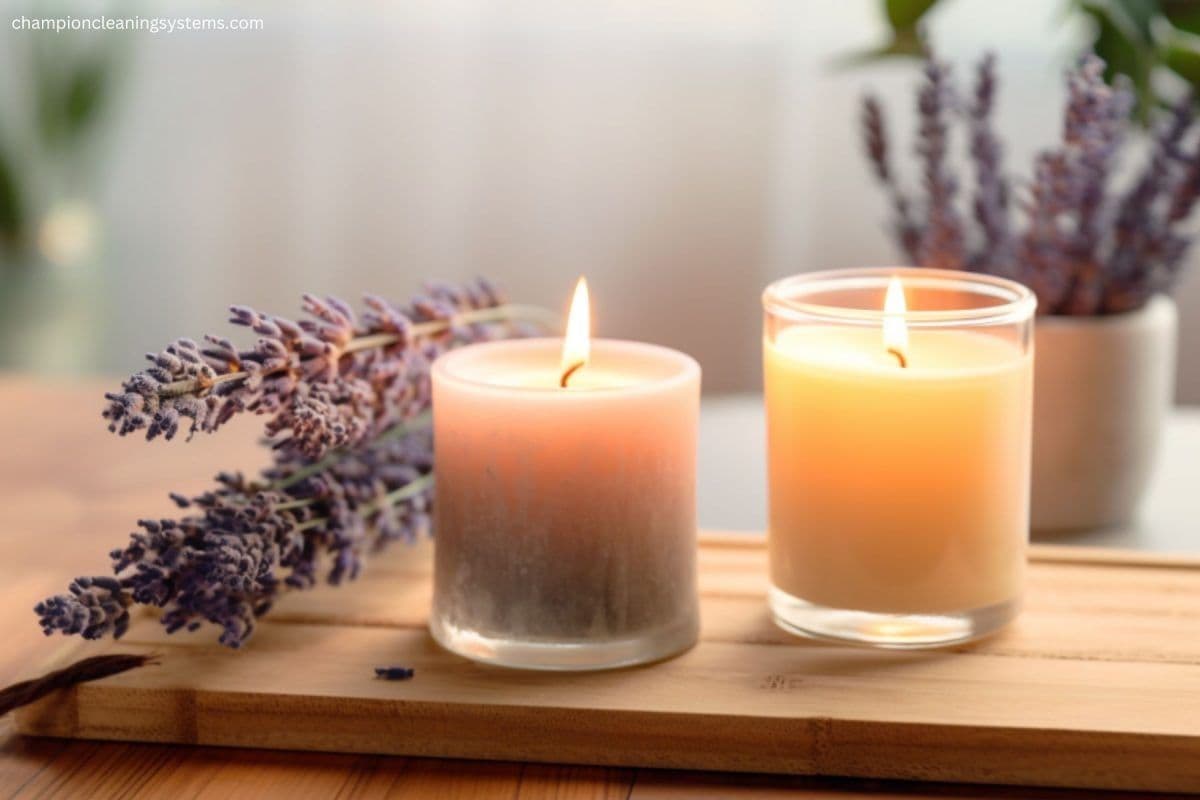
Summer Candle Fire Risks Every Homeowner Should Know
Candles cause thousands of house fires every year, and summer is peak season for outdoor and decorative candle use. Learn how to enjoy candles safely.
Serving 44+ Cities Across Greater Atlanta
Select your city to see local restoration services near you
Select your city to see local restoration services near you