The Hidden Threat in Your Home: How Water Heaters Cause Major Damage

We rely on our water heaters. From hot showers to running the dishwasher, a water heater is used every single day and we don’t even think about it. Since they usually sit tucked away in a closet, basement, or garage, it’s easy to have an "out of sight, out of mind" mindset.
As certified water mitigation technicians, we see the flip side of that convenience. When a water heater fails, it doesn't just stop delivering hot water. It can release dozens or hundreds of gallons of water into your home in a matter of minutes.
Here is a look at how these everyday appliances, such as a water heater, can cause massive damage, what to look out for, and what to do if the worst happens.
The Common Reasons Why Water Heaters Fail
Water heaters don’t usually burst out of nowhere.
- Internal Corrosion: Most traditional water heaters are made of steel. Over time, minerals in the water react with the metal. While water heaters have an anode rod designed to rust so the tank won’t, these rods eventually degrade. Once they stop working, the tank itself begins to rust from the inside out until it cracks.
- High Pressure: If your home's water pressure is too high, or if the water heater’s Temperature and Pressure relief valve fails, the tank can expand and crack under the stress.
- Sediment Buildup: If you live in an area with hard water, minerals settle at the bottom of the tank. This creates an insulating layer that forces the burner to work harder to heat the water, overheating the bottom of the tank and weakening the steel.
When a water heater fails, the damage depends entirely on where it’s located
1. The Slow, Hidden Leak
Sometimes, it’s not a dramatic burst but a slow, steady drip from a corroded valve or a hairline crack. If your unit is in a finished area, this moisture can hide under flooring or behind drywall for months. By the time you notice a musty smell or a soft spot in the wall, mold growth is already well underway, and structural wood may be rotting.
2. The Catastrophic Burst
If the bottom of the tank fails entirely, you aren't just dealing with the 40 to 80 gallons of water currently inside the tank. Since the water supply line keeps feeding into the heater, it will continue to flood your home until someone physically turns off the main water valve.
- In a garage or basement: This can ruin drywall, destroy stored personal belongings, and compromise electrical systems.
- On a second floor: A burst upstairs can migrate through ceilings, ruin light fixtures, destroy contents, and compromise the structural integrity of your home's framing.
Red Flags You Shouldn't Ignore
Your water heater will usually try to warn you that it’s struggling. Keep an eye, and ear, out for these warning signs:
- The Unit is Over 10 Years Old: The average lifespan of a traditional tank water heater is 8 to 12 years. If yours is pushing double digits, it’s living on borrowed time.
- Dark Water: If your hot water looks brown or muddy, the inside of your tank is likely corroding.
- Popping or Rumbling Noises: This is the sound of water boiling underneath a thick layer of buildup at the bottom of the tank. It means your unit is overheating and straining.
- Moisture Around the Base: Any pooling water or moisture around the bottom of the heater requires immediate attention.
What to Do if Your Water Heater Leaks
If you walk into your utility closet or basement and find a standing water, act quickly to minimize the damage:
- Turn Off the Power: If it’s a gas heater, twist the dial on the thermostat to "Off." If it’s electric, flip the corresponding breaker in your electrical panel. Never step into standing water to reach an electrical panel.
- Shut Off the Water: Turn the valve on the cold water pipe coming into the top of the heater clockwise to stop the flow of new water. If that valve is stuck or leaking, turn off your home’s main water shut off valve.
- Call the Experts: Don't just call a plumber to replace the unit. A plumber fixes the appliance, but they don't dry out your home. You need a professional water mitigation team to extract the water, dry out the structural materials, and prevent mold from growing/ spreading.
We’re Here to Help
If your water heater has thrown your home into chaos, you don't have to handle the cleanup alone. Our certified mitigation team is available 24/7 to extract any standing water, dry out the structure, and get your home back to normal. Give us a call today at 404-282-6821!
You Might Also Like
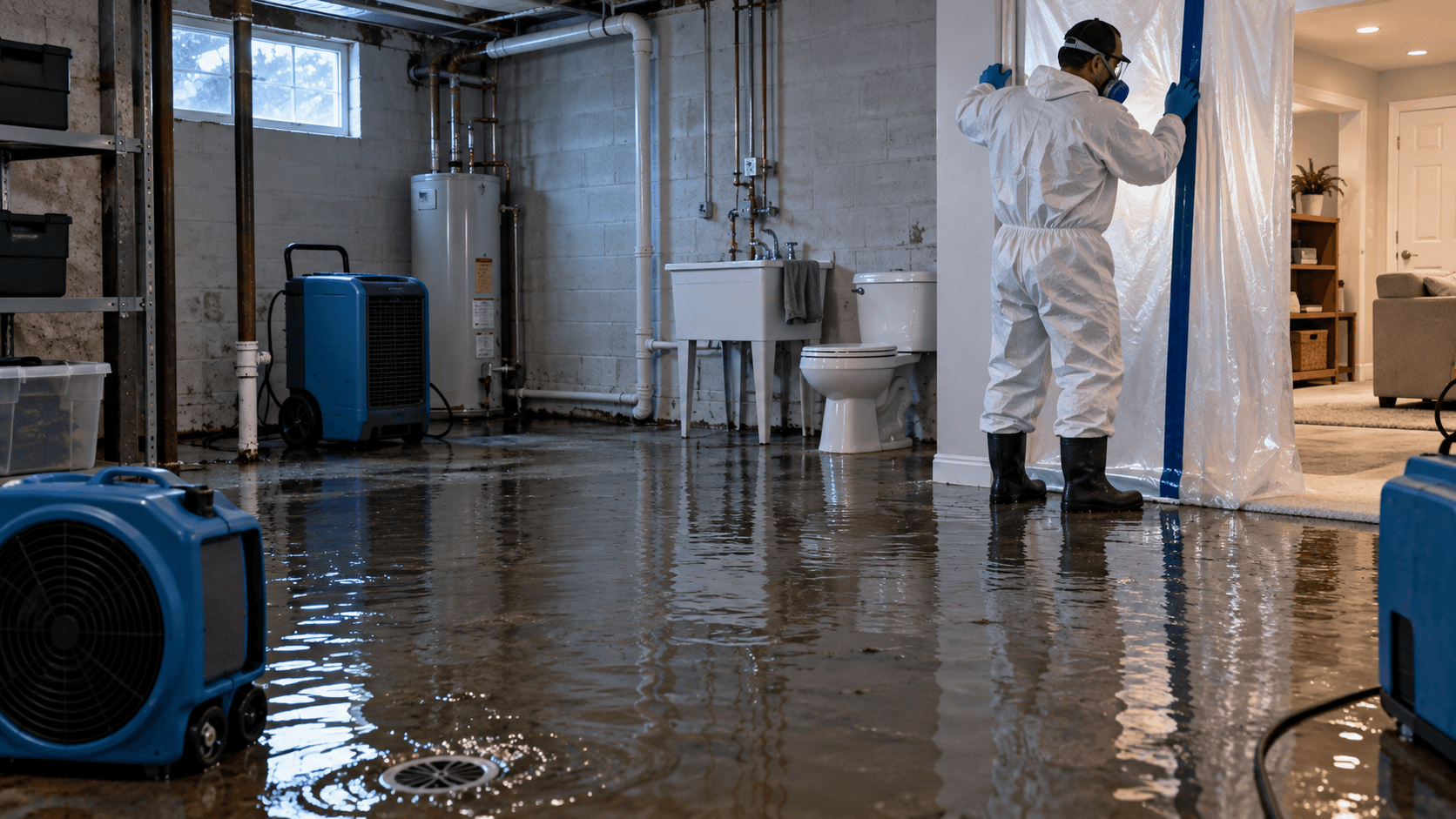
Raw Sewage in Your Home?
Sewage backup in your home? Here is how to secure the area, what never to do with Category 3 water, and what professional cleanup and insurance involve.
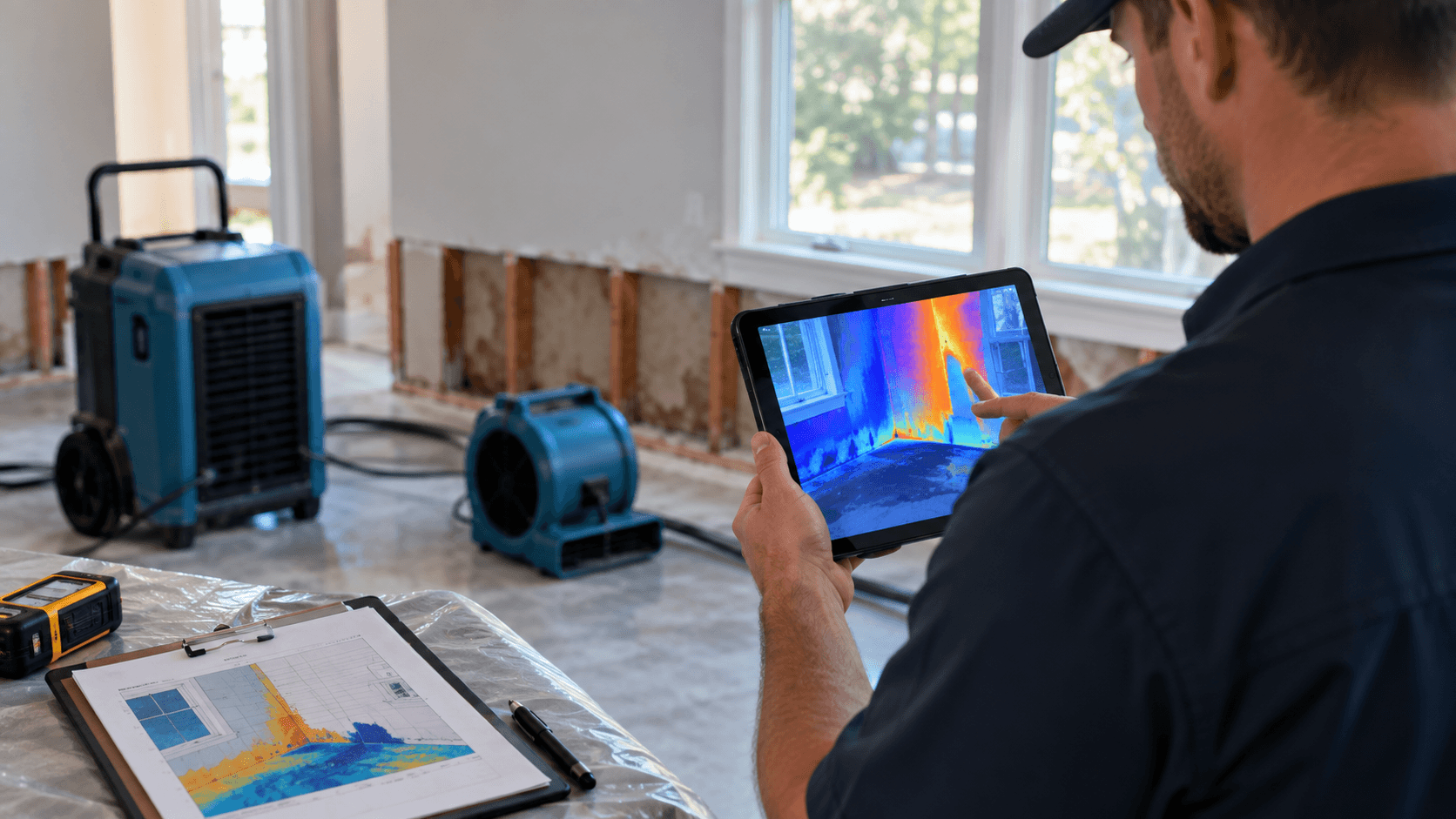
Why Documentation Matters During a Water Loss
Adjusters only pay for what you can prove. Here are the thermal images, moisture maps, and drying logs we build during a water loss so your claim gets paid.
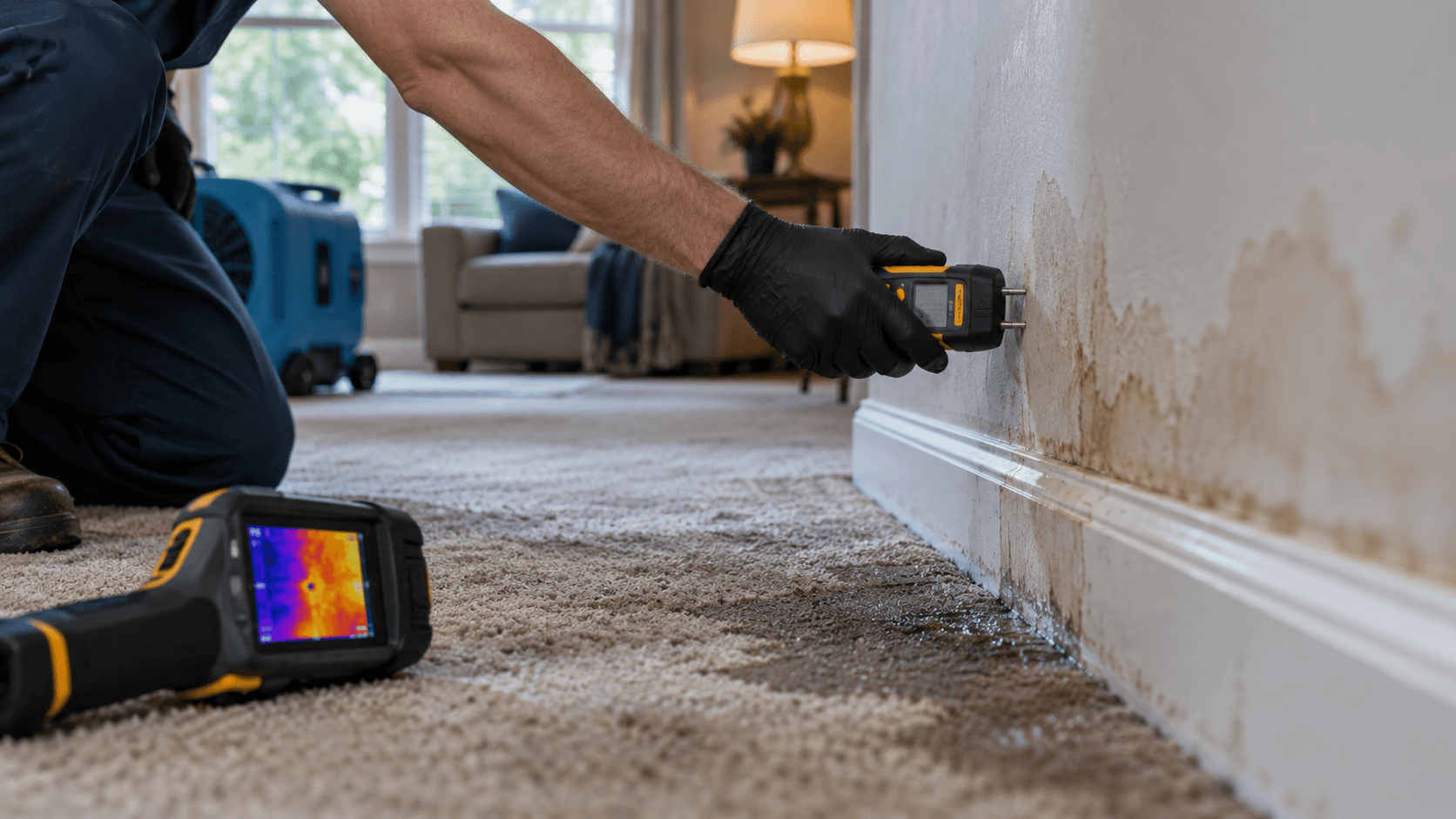
Understanding Water Damage: Categories and Classes
Not all water damage is the same. Here is how the IICRC categories and classes we use on every water loss decide the drying plan, the equipment, and the risk.
Serving 44+ Cities Across Greater Atlanta
Select your city to see local restoration services near you
Select your city to see local restoration services near you