What to Do If a Pipe Bursts in Your Home

Every Second Counts When a Pipe Bursts
A burst pipe releases water at a rate that can flood a room in minutes. Depending on the pipe size and water pressure, a single failure can release 400 to 600 gallons per hour. The difference between a manageable cleanup and a catastrophic loss often comes down to how quickly you respond in the first few minutes.
Every member of your household should know this emergency protocol before it is needed.
Step 1: Shut Off the Water
Your absolute first priority is stopping the flow. Locate your main water shutoff valve and turn it off immediately. In most Atlanta-area homes, this valve is located where the main water line enters the house, typically in the basement, crawl space, garage, or a utility closet.
If the burst pipe has its own shutoff valve, such as a valve under a sink or behind a toilet, close that valve first for a faster stop, then shut off the main for safety.
If you do not know where your shutoff valve is, find it today. Do not wait for an emergency. Walk to it, test it, and make sure it turns smoothly. Label it clearly so anyone in the household can find it.
Step 2: Turn Off Electricity in Affected Areas
Water and electricity are a deadly combination. If water has reached or is approaching electrical outlets, light fixtures, appliances, or your electrical panel, do not walk through the water. Go to your breaker box and shut off circuits to the affected areas. If the breaker box itself is in a flooded area, do not touch it. Call an electrician or your utility company.
Step 3: Open Faucets to Drain the System
Once the main water supply is off, open cold water faucets throughout the house to drain the remaining water from the pipes. This relieves pressure in the system and reduces the amount of water that can leak from the burst point.
Flush all toilets once to empty the tanks. This step is especially important in winter when any water remaining in the system can freeze and cause additional breaks.
Step 4: Document Everything
Before you start cleaning up, document the damage. Use your phone to photograph and video every affected area from multiple angles. Document water levels on walls, damaged flooring, affected furniture, and the apparent burst point. This evidence is essential for your insurance claim.
If you can safely identify the burst location, photograph that as well. Your adjuster and restoration company will need to understand the source and extent of the failure.
Step 5: Begin Water Removal
Start removing water as quickly as possible using a wet vacuum, mops, towels, and buckets. Move furniture, electronics, and valuables out of wet areas. The faster you reduce the standing water, the less it saturates structural materials.
Lift area rugs and remove them from wet floors. If wall-to-wall carpet is soaked, pull back the edges to allow the padding and subfloor to begin drying. Open windows and run fans to increase air circulation if temperatures and weather permit.
Step 6: Call Your Insurance Company
Report the damage to your insurer within 24 hours. Provide the documentation you gathered and a description of the event. Your insurer will assign an adjuster and guide you through the claims process.
Step 7: Call a Professional Restoration Company
A burst pipe is almost always beyond the scope of DIY cleanup. Water migrates into wall cavities, subfloors, and insulation within minutes. Without commercial-grade extraction, drying, and monitoring equipment, hidden moisture leads to mold growth within 24 to 48 hours and structural damage that escalates over time.
Champion Cleaning Systems provides 24/7 emergency water damage restoration with a 60-minute response time across Sharpsburg, Stockbridge, Buford, Newnan, and metro Atlanta.
Call Champion 24/7 at (404) 282-6821.
You Might Also Like
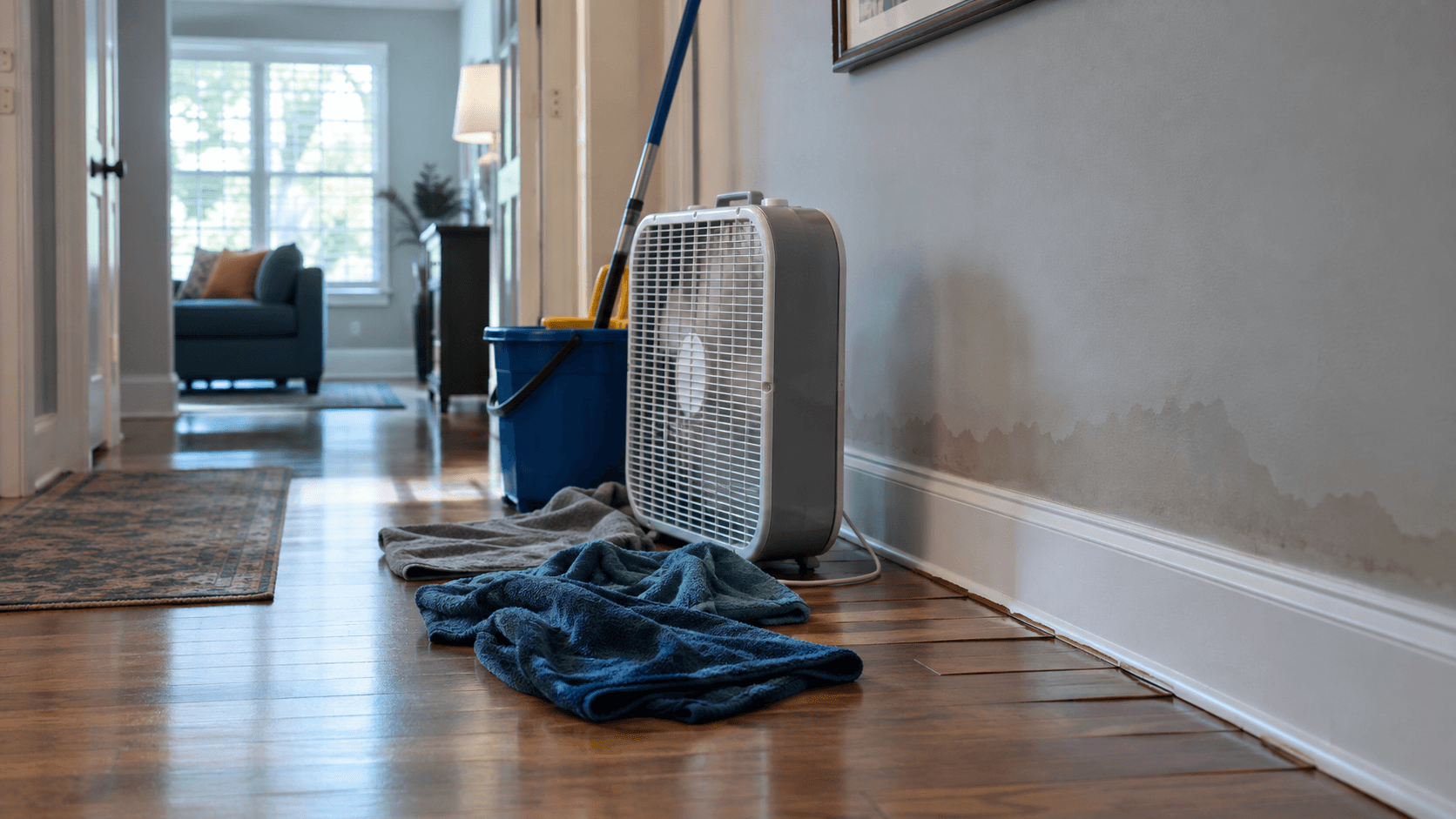
Why Proper Drying Makes All the Difference
A mop and a box fan leave water trapped in your walls and floors. Here is why proper structural drying prevents mold, rot, and denied insurance coverage.
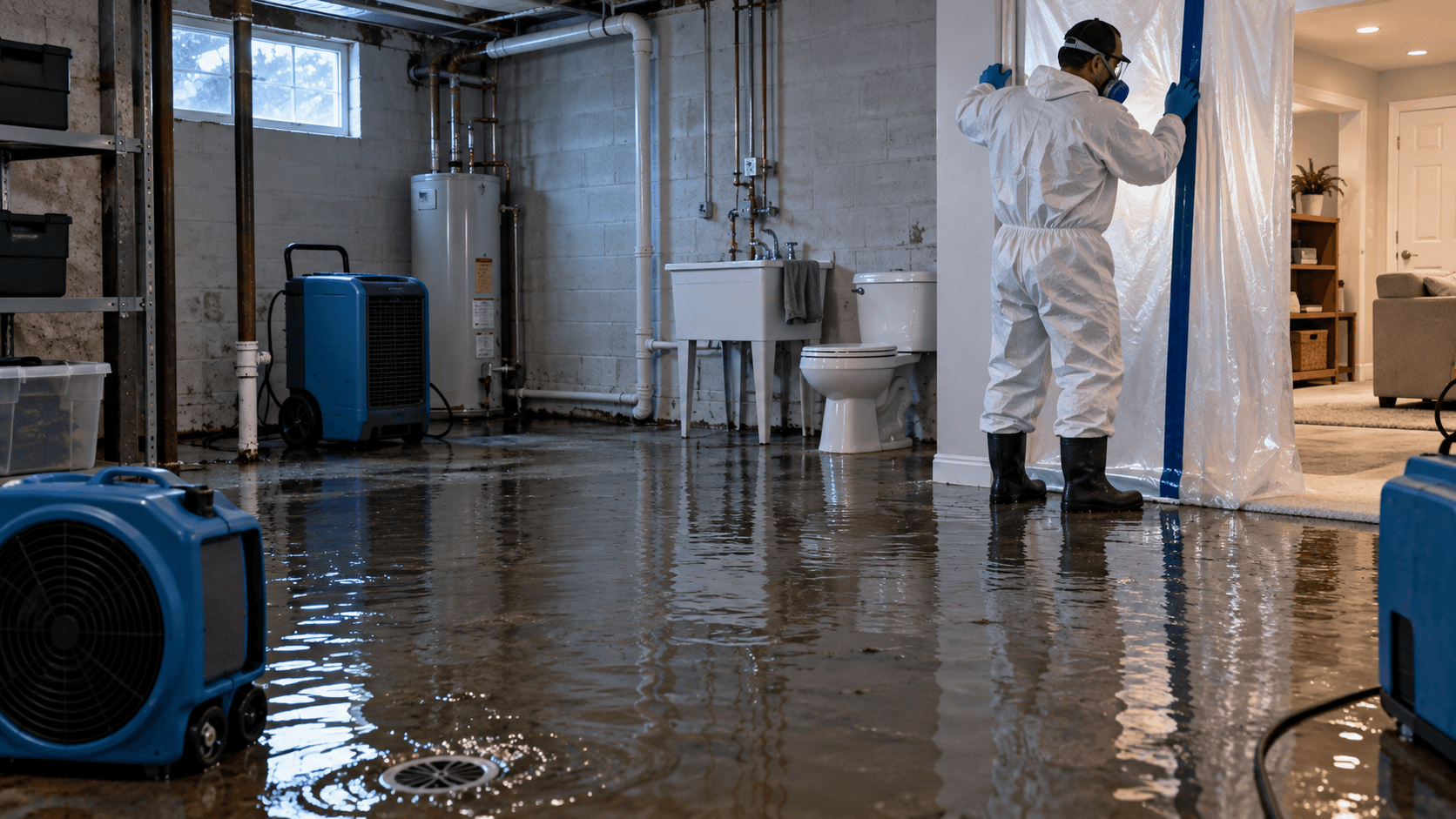
Raw Sewage in Your Home?
Sewage backup in your home? Here is how to secure the area, what never to do with Category 3 water, and what professional cleanup and insurance involve.
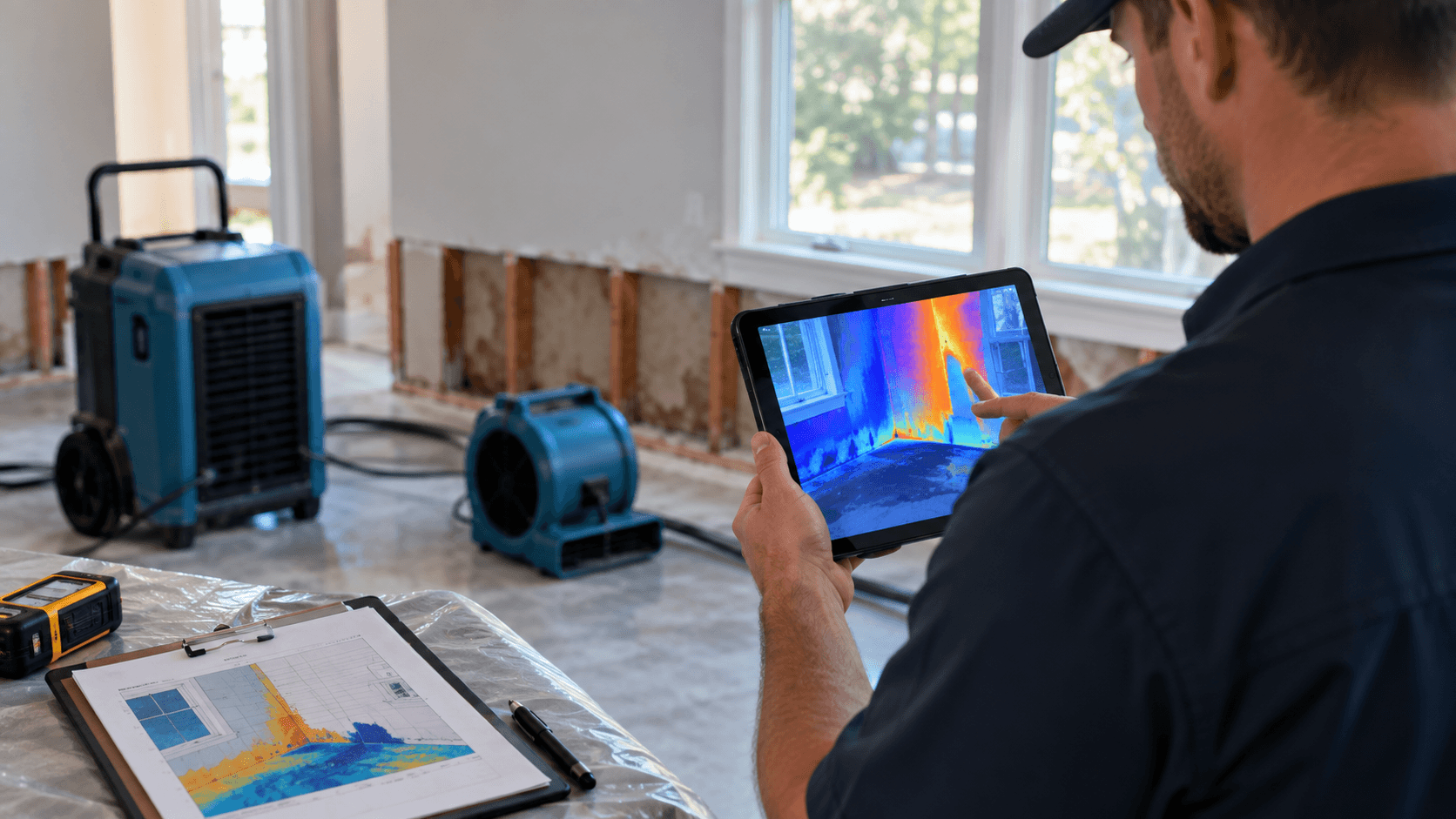
Why Documentation Matters During a Water Loss
Adjusters only pay for what you can prove. Here are the thermal images, moisture maps, and drying logs we build during a water loss so your claim gets paid.
Serving 44+ Cities Across Greater Atlanta
Select your city to see local restoration services near you
Select your city to see local restoration services near you