How to Spot Water Damage During Spring Cleaning

Spring Cleaning Reveals What Winter Hid
Spring cleaning is not just about organizing closets and washing windows. It is the best opportunity to inspect your home for water damage that developed quietly during the winter months. Leaks, condensation, and moisture intrusion that started in November may have been silently damaging your home for four or five months by the time March arrives.
Knowing what to look for as you move through each area of your home can catch problems early, before they become major repairs.
Start With the Exterior
Walk the perimeter of your home and look at the foundation walls. Horizontal cracks, efflorescence which appears as white mineral deposits, and damp spots on the foundation indicate water pressure from the soil side. Check where the siding meets the foundation for gaps or deterioration.
Look at the exterior walls for peeling paint, staining, or discoloration, especially below windows and rooflines. These are signs that water is running where it should not. Inspect window frames and door frames for soft or rotting wood.
Check the Attic
The attic is often the first place water intrusion occurs but the last place homeowners check. Look for water stains on the underside of the roof decking, damp or compressed insulation, and any signs of daylight coming through the roof. Check around plumbing vent boots, chimney flashing, and roof valleys where leaks are most common.
If you notice a musty smell in the attic, moisture is present. Even without visible water, high humidity in an attic space promotes wood rot and mold growth on framing and sheathing.
Inspect Bathrooms
Bathrooms are the most common interior source of hidden water damage. Check the caulking around bathtubs, showers, and sinks. Failed caulk allows water to seep behind tiles and into wall cavities. Press on the tile surrounding the tub and shower. If it feels soft or gives slightly, the backer board behind it may be deteriorated from moisture.
Look under bathroom sinks for any dripping, moisture, or staining on the cabinet floor. Check the base of the toilet for signs of water or discoloration on the floor, which may indicate a failing wax ring.
Inspect the Kitchen
Check under the kitchen sink for leaks around supply lines, drain connections, and garbage disposal fittings. Pull out the refrigerator and inspect the water supply line if it has an ice maker or water dispenser. These small supply lines are a common failure point.
Look at the dishwasher connection point and check the floor around and under the appliance for warping or discoloration. Run the dishwasher through a cycle and check for any leaking during operation.
Check the Basement and Crawl Space
Basements and crawl spaces are ground zero for hidden water damage. In the basement, look for water stains on walls, efflorescence, damp carpet or flooring, and any musty odors. Check the area around the sump pump if your home has one.
In the crawl space, check the vapor barrier for tears or displacement. Look for standing water, wet insulation, and any visible mold on floor joists or subfloor sheathing. The crawl space should be dry year-round. If it is not, there is a moisture problem that needs to be addressed.
Check Around Windows
Interior window sills and frames are common locations for hidden water damage. Condensation during winter can cause wood sills to rot, paint to peel, and mold to grow in the window frame channels. Open windows and check the sill and frame for softness, discoloration, or mold.
What to Do If You Find Damage
Small issues found early are inexpensive to fix. Replace failed caulking immediately. Repair minor grading issues with topsoil. Have a plumber tighten dripping connections. These small investments prevent large ones.
If you discover established water damage, including mold growth, structural deterioration, or damage that has clearly been developing over weeks or months, contact a professional restoration company for assessment.
Champion Cleaning Systems provides water damage assessment and restoration across Sharpsburg, Stockbridge, Buford, Newnan, and all of metro Atlanta.
Call Champion 24/7 at (404) 282-6821.
You Might Also Like
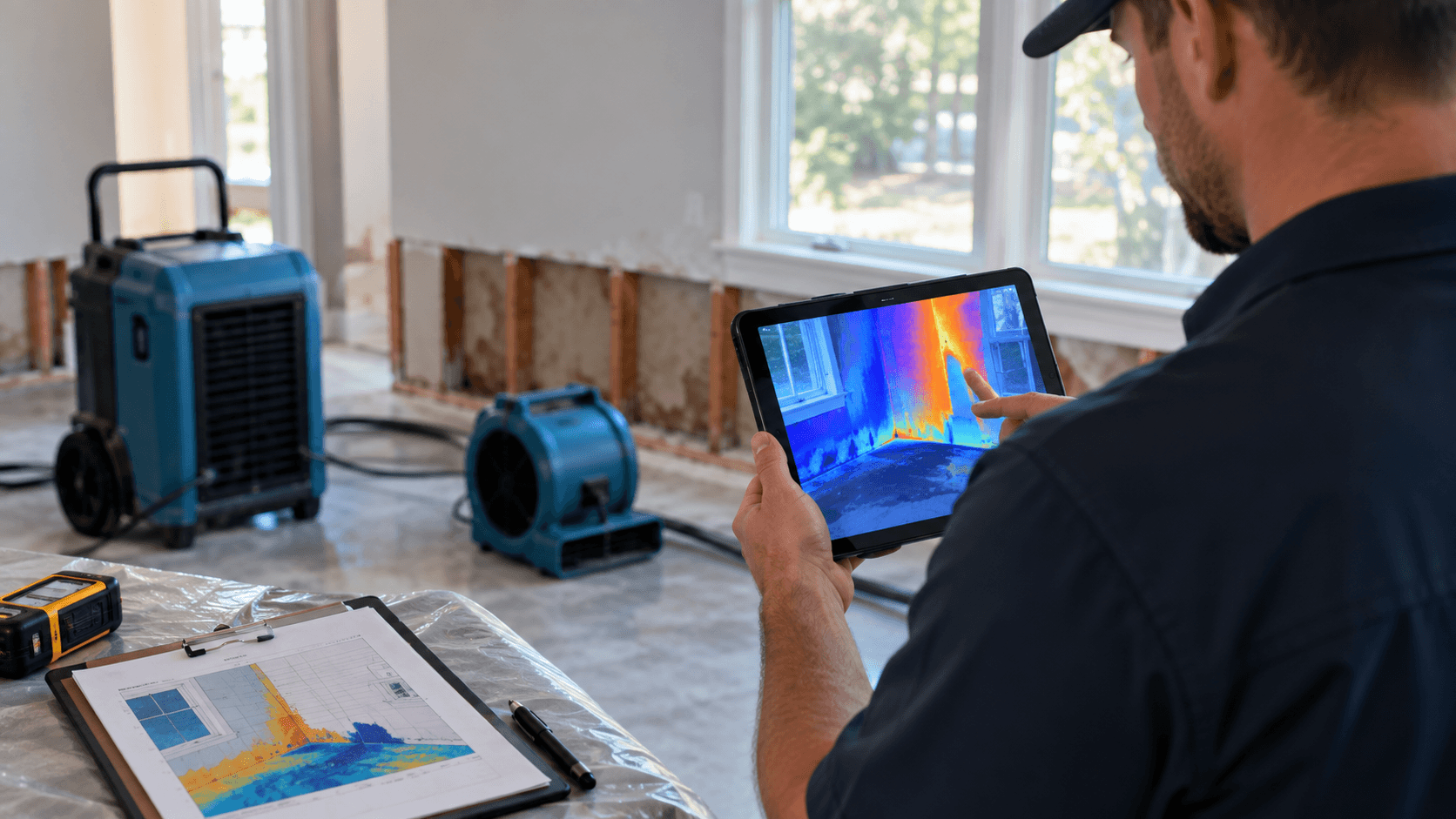
Why Documentation Matters During a Water Loss
Adjusters only pay for what you can prove. Here are the thermal images, moisture maps, and drying logs we build during a water loss so your claim gets paid.
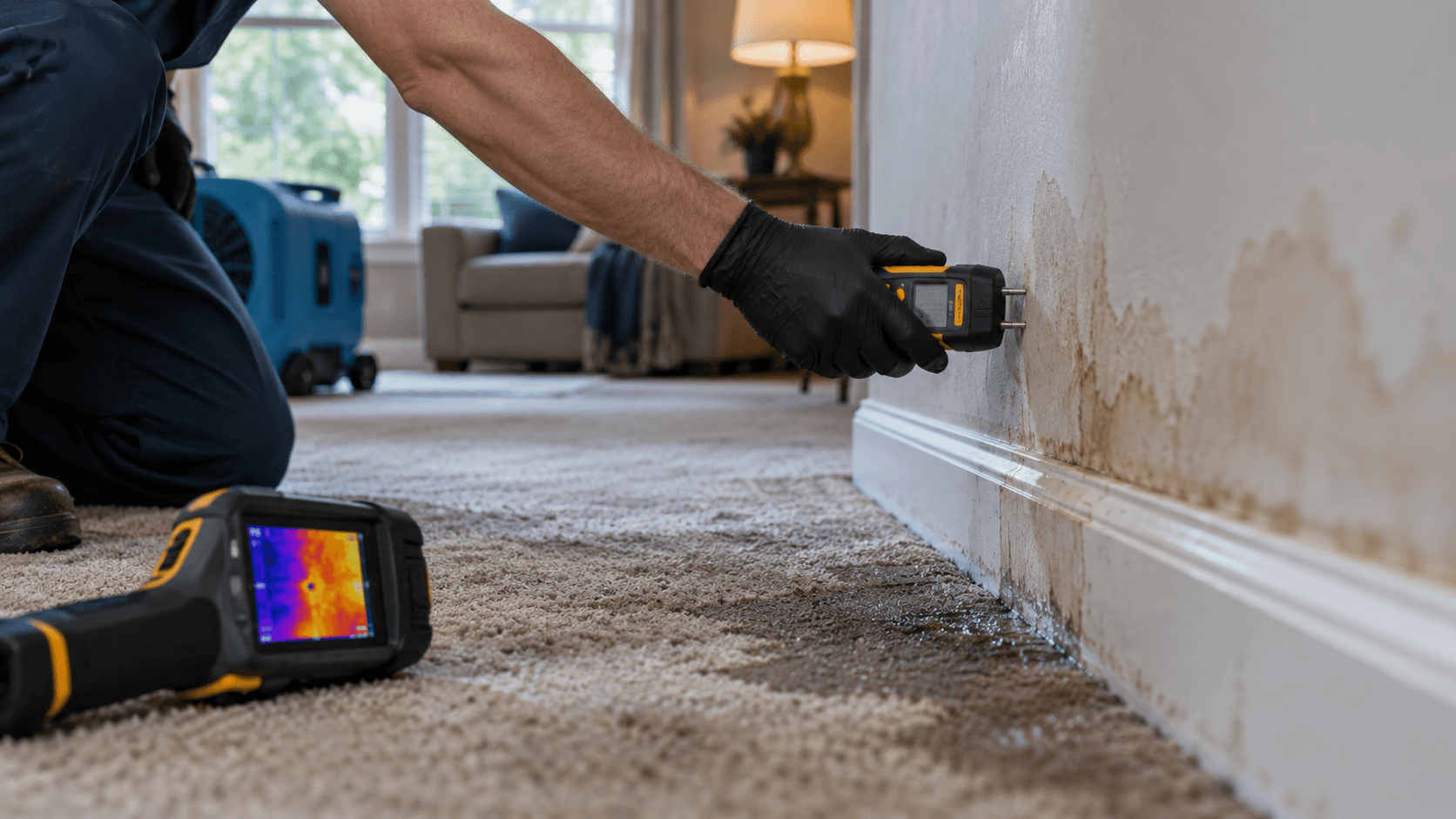
Understanding Water Damage: Categories and Classes
Not all water damage is the same. Here is how the IICRC categories and classes we use on every water loss decide the drying plan, the equipment, and the risk.
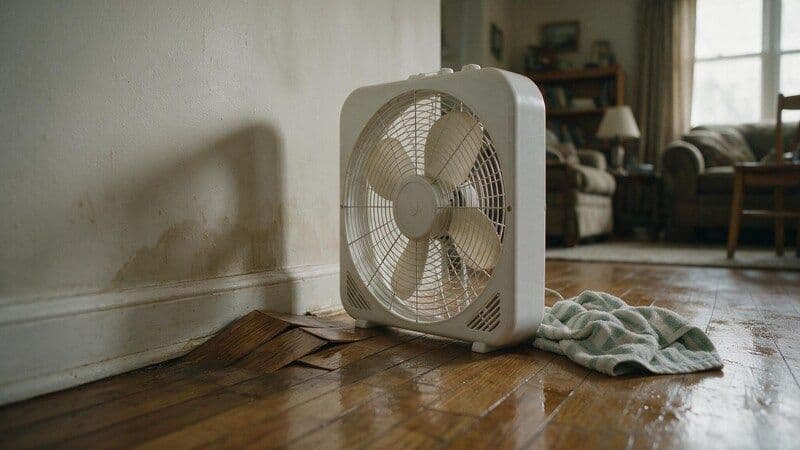
Why DIY Water Damage Restoration Costs You More in the Long Run
Water damage is the one project where doing it yourself usually costs more. Here is what a mop and a box fan miss, and why the bill three weeks later is bigger than the one you avoided.
Serving 44+ Cities Across Greater Atlanta
Select your city to see local restoration services near you
Select your city to see local restoration services near you