Why IICRC-Certified Professional Restoration Beats DIY

What IICRC Certification Means
The Institute of Inspection, Cleaning and Restoration Certification is the governing body that sets standards for the restoration industry. IICRC-certified companies and technicians have completed rigorous training in water damage restoration, fire and smoke restoration, mold remediation, and related disciplines.
This certification is not a formality. It represents a verified commitment to following science-based protocols that deliver consistent, safe, and thorough results. When you hire an IICRC-certified company, you are hiring a team that has been trained and tested on the exact type of damage your home has sustained.
Why Certification Matters for Quality
Restoration is a technical discipline that requires understanding of building science, microbiology, chemistry, and psychrometrics, which is the science of moisture in air. Without this knowledge, well-intentioned cleanup efforts can make damage worse.
IICRC-certified technicians understand how different materials absorb and release moisture. They know that drying drywall requires different conditions than drying hardwood flooring. They understand that different types of soot require different cleaning methods and that using the wrong method bonds the soot permanently into the material. They know the conditions under which mold grows and how to create an environment that prevents it.
This technical knowledge is the difference between a restoration that resolves the problem completely and a cleanup that leaves hidden damage to surface weeks later.
Why Certification Matters for Insurance
Insurance companies recognize IICRC certification as the industry standard. When you file a claim for water or fire damage, your adjuster evaluates the restoration work against IICRC protocols. Restoration performed by a certified company is more likely to be approved for the full scope of work because the documentation meets the adjuster's expectations.
Certified companies use Xactimate, the estimating software standard in the insurance industry, to scope and price their work. This alignment between the restoration company's documentation and the insurance company's evaluation process reduces disputes, speeds up approvals, and maximizes your payout.
DIY cleanup and restoration by uncertified companies often lacks the documentation and protocol adherence that adjusters require. This can result in reduced claim payouts, denied coverage for specific repairs, or disputes that delay your recovery by weeks.
The Equipment Gap
Consumer-grade equipment cannot replicate what professional restoration equipment achieves. A household dehumidifier removes roughly 30 to 70 pints of moisture per day. A commercial LGR dehumidifier used in professional restoration removes 130 to 190 pints per day and operates more efficiently in the low-humidity conditions that occur as drying progresses.
A box fan from the hardware store moves air across a surface. A commercial air mover directs focused, high-velocity airflow into wall cavities, beneath flooring, and across specific surfaces at rates calibrated to maximize evaporation without causing secondary damage.
Thermal imaging cameras, penetrating moisture meters, and hygrometers give professional teams visibility into moisture conditions inside walls, under floors, and in other concealed spaces that are invisible to the naked eye and undetectable with consumer tools.
The Health and Safety Factor
Water damage, fire damage, and mold all create health hazards that require proper personal protective equipment and containment procedures. IICRC protocols include specific requirements for respiratory protection, containment barriers, negative air pressure systems, and decontamination procedures.
DIY cleanup without these protections exposes you and your family to mold spores, soot particles, asbestos fibers in older homes, bacteria in contaminated water, and chemical residues from fire-damaged materials. The health risks are not theoretical; they are documented causes of respiratory illness, skin reactions, and other health problems.
The Bottom Line
Hiring an IICRC-certified restoration company costs more upfront than a DIY attempt. But when you factor in the cost of secondary damage from incomplete drying, the health risks of exposure to contaminants, the insurance claim complications from inadequate documentation, and the eventual cost of re-doing work that was done improperly the first time, professional restoration is almost always the more cost-effective choice.
Champion Cleaning Systems is IICRC-certified and has served metro Atlanta since 1970. We provide 24/7 emergency restoration with a 60-minute response time across Sharpsburg, Stockbridge, Buford, Newnan, and surrounding communities.
Call Champion 24/7 at (404) 282-6821.
You Might Also Like
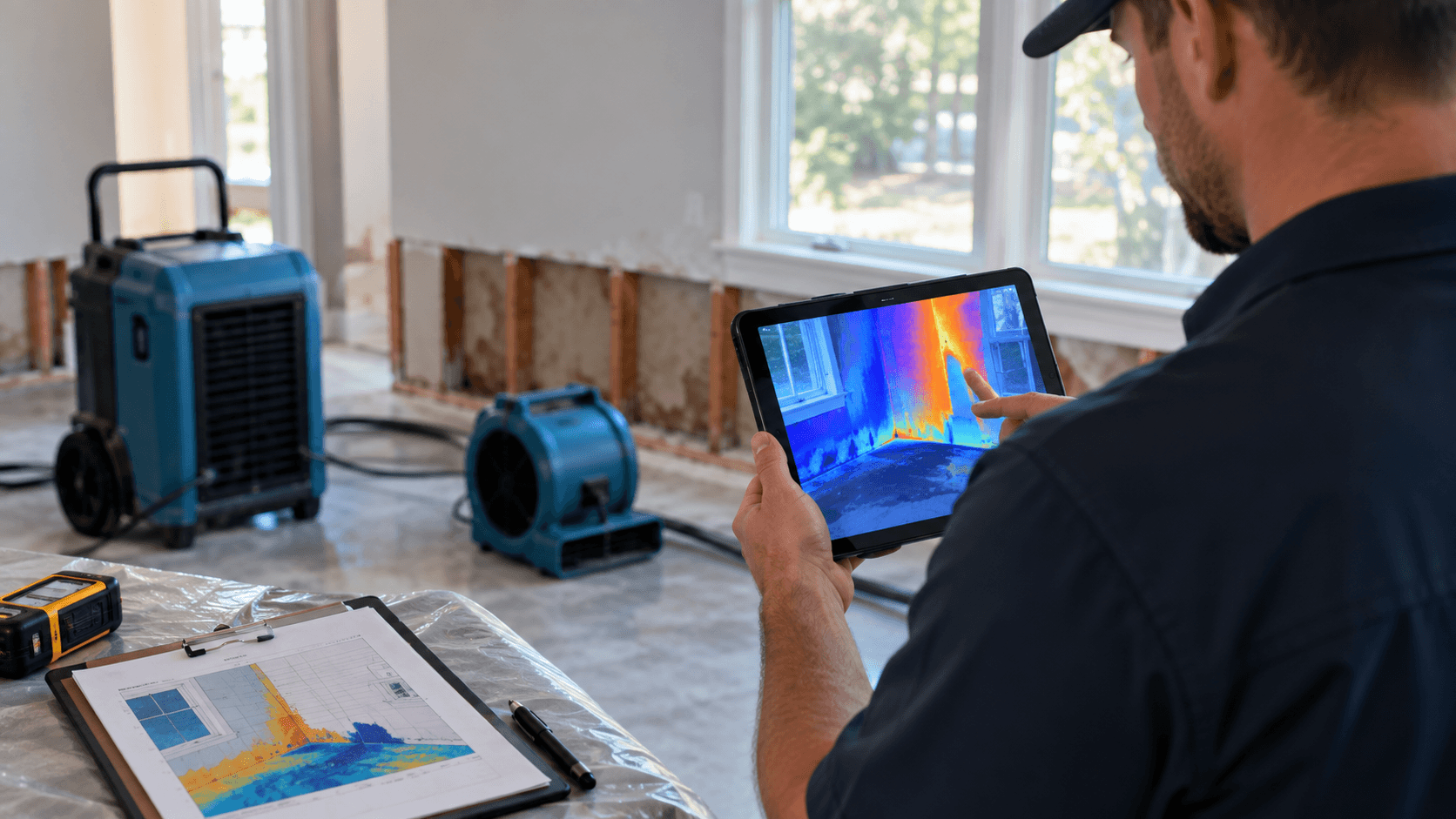
Why Documentation Matters During a Water Loss
Adjusters only pay for what you can prove. Here are the thermal images, moisture maps, and drying logs we build during a water loss so your claim gets paid.
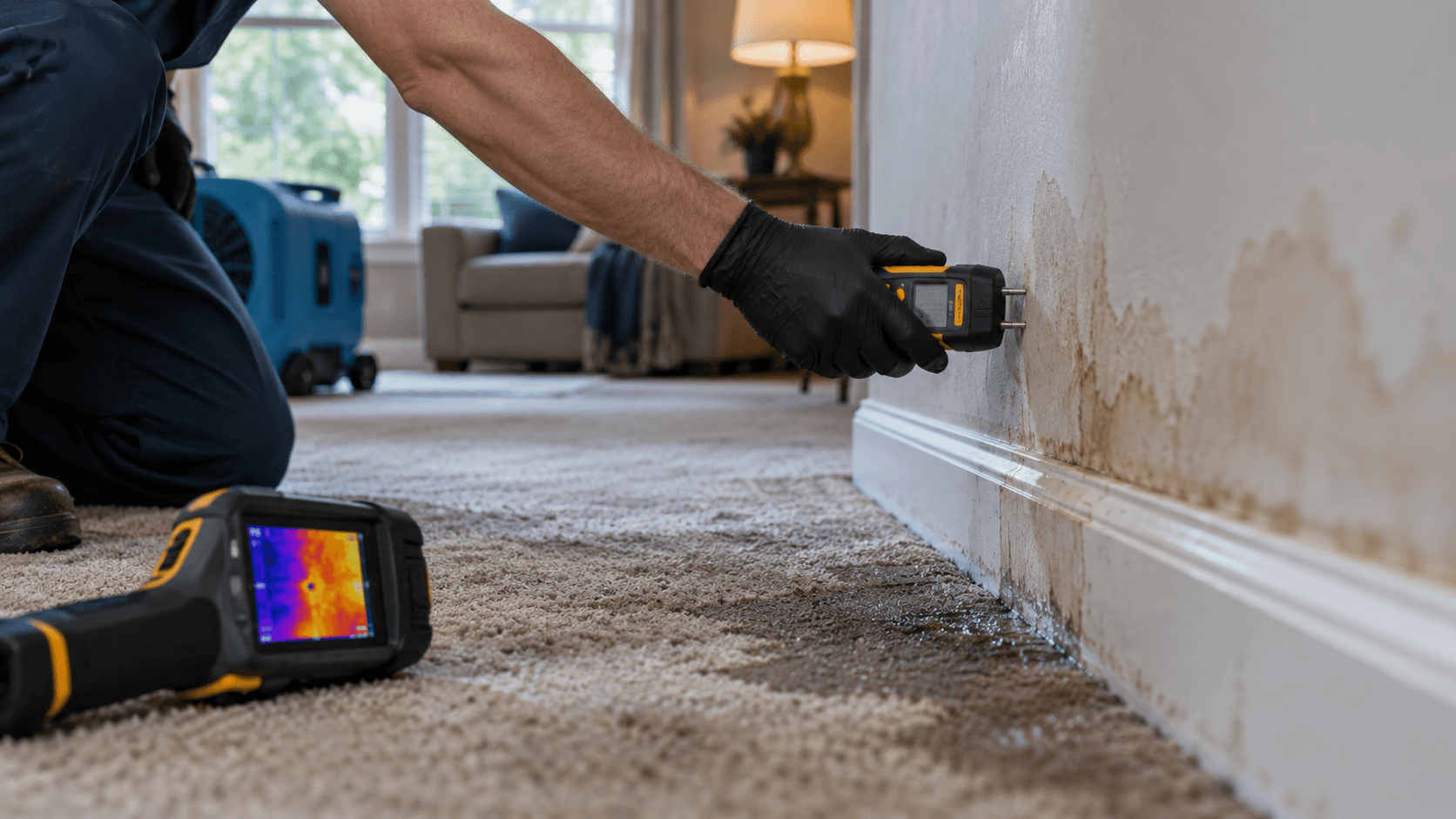
Understanding Water Damage: Categories and Classes
Not all water damage is the same. Here is how the IICRC categories and classes we use on every water loss decide the drying plan, the equipment, and the risk.
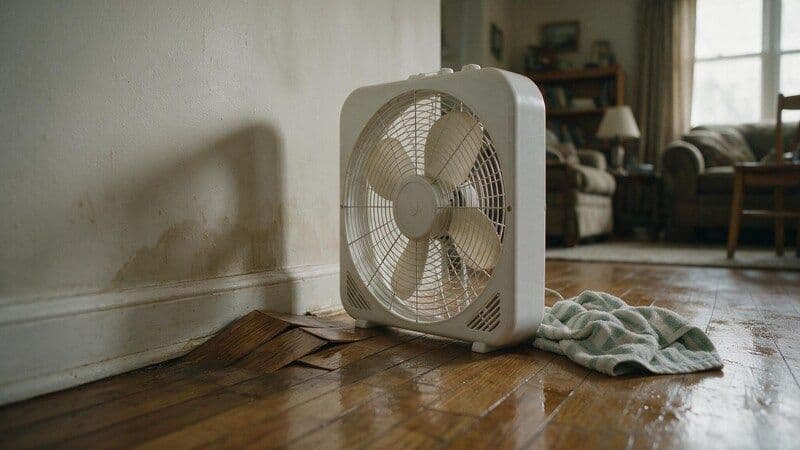
Why DIY Water Damage Restoration Costs You More in the Long Run
Water damage is the one project where doing it yourself usually costs more. Here is what a mop and a box fan miss, and why the bill three weeks later is bigger than the one you avoided.
Serving 44+ Cities Across Greater Atlanta
Select your city to see local restoration services near you
Select your city to see local restoration services near you