Clogged HVAC Condensation Line = Water Damage Waiting To Happen

When people think about their house having water damage, they usually picture the big stuff such as a pipe that has burst in the wall, a failed water heater, or a severe storm. One of the most common calls we get for indoor water damage comes from something totally silent, and hidden. That would be your HVAC condensation line. It sounds like a minor detail, but when this little pipe gets blocked, it can cause thousands in damages before you even realize there's a problem.
What is an HVAC Condensation Line?
Your air conditioner doesn't just cool down your house, it also draws humidity out of the air. Think about how a cold drink gets covered in sweat on a hot summer day. The exact same thing is happening inside your AC unit. All of that moisture drips off the cooling coils into a drain pan, and then flows out of your house through a small plastic PVC pipe. Usually, it just drips safely outside or into a floor drain.
How a Tiny Clog Causes Damages
Since that pipe is constantly carrying warm water all summer, it becomes a perfect breeding ground for algae, mold, and general slime. Along with household dust and pet dander that gets sucked into the system, a clog is bound to happen.
Once that pipe is blocked, the water has nowhere to go. Since your AC can easily pull several gallons of water a day out of the air, things can go downhill fast.
- The pan overflows: Within hours, the drain pan fills up and spills over.
- Ceilings and walls get soaked: If your AC is up in the attic, that water is coming down through your ceiling drywall and insulation. If it's in a hallway closet, it’s soaking through the flooring and baseboards.
- Mold begins to grow: Mold only needs about 24 to 48 hours to start growing on wet drywall. This is one reason why you need to act fast as soon as you suspect damages.
Red Flags to Watch Out For
Catching this early can minimize damages. Keep an eye out for these signs:
- The AC randomly shuts off: A lot of newer systems have a safety switch. If the pan starts filling up with water, it shuts the whole system down so it won't overflow. If your AC suddenly stops working, check that pan.
- Puddles around the unit: If you see water pooling around the base of your indoor AC unit, the line is already backed up.
- A musty smell: If your vents start smelling like a wet basement, you probably have standing water somewhere.
- Water stains: Spots on your ceiling or walls near where your AC sits are a dead giveaway.
Already Have Water Damages?
Don't panic, but act fast:
Turn off your AC immediately so it stops producing more water. Give us a call at 404-282-6821. A regular shop-vac and household fans usually aren't enough to dry out the deep layers of your subfloor, framing, or drywall. We have state of the art equipment and moisture meters needed to get things dry before further damages occur.
If you are unsure if you have damages, Champion offers free inspections and we would be delighted to check things out for you!
You Might Also Like
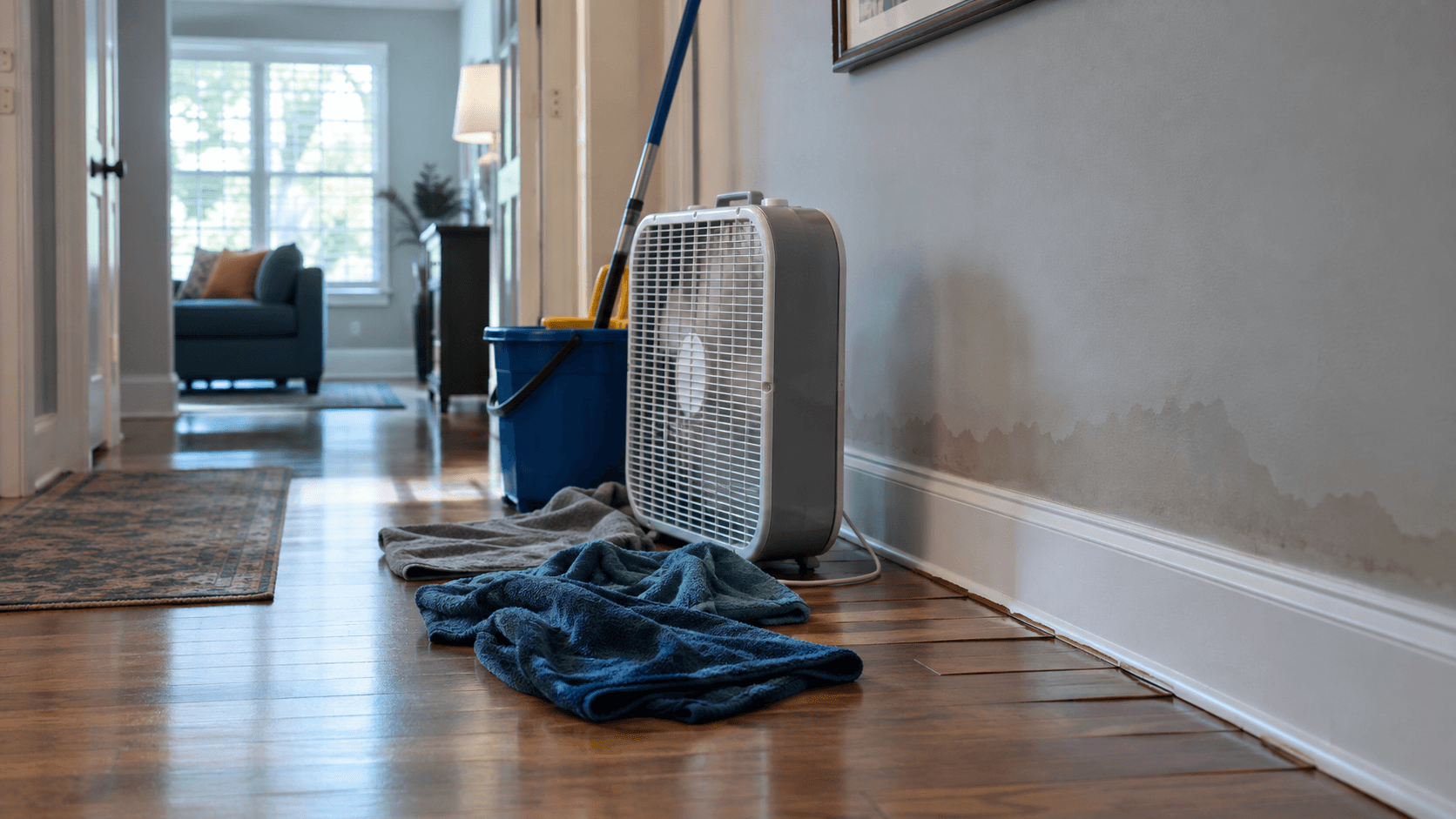
Why Proper Drying Makes All the Difference
A mop and a box fan leave water trapped in your walls and floors. Here is why proper structural drying prevents mold, rot, and denied insurance coverage.
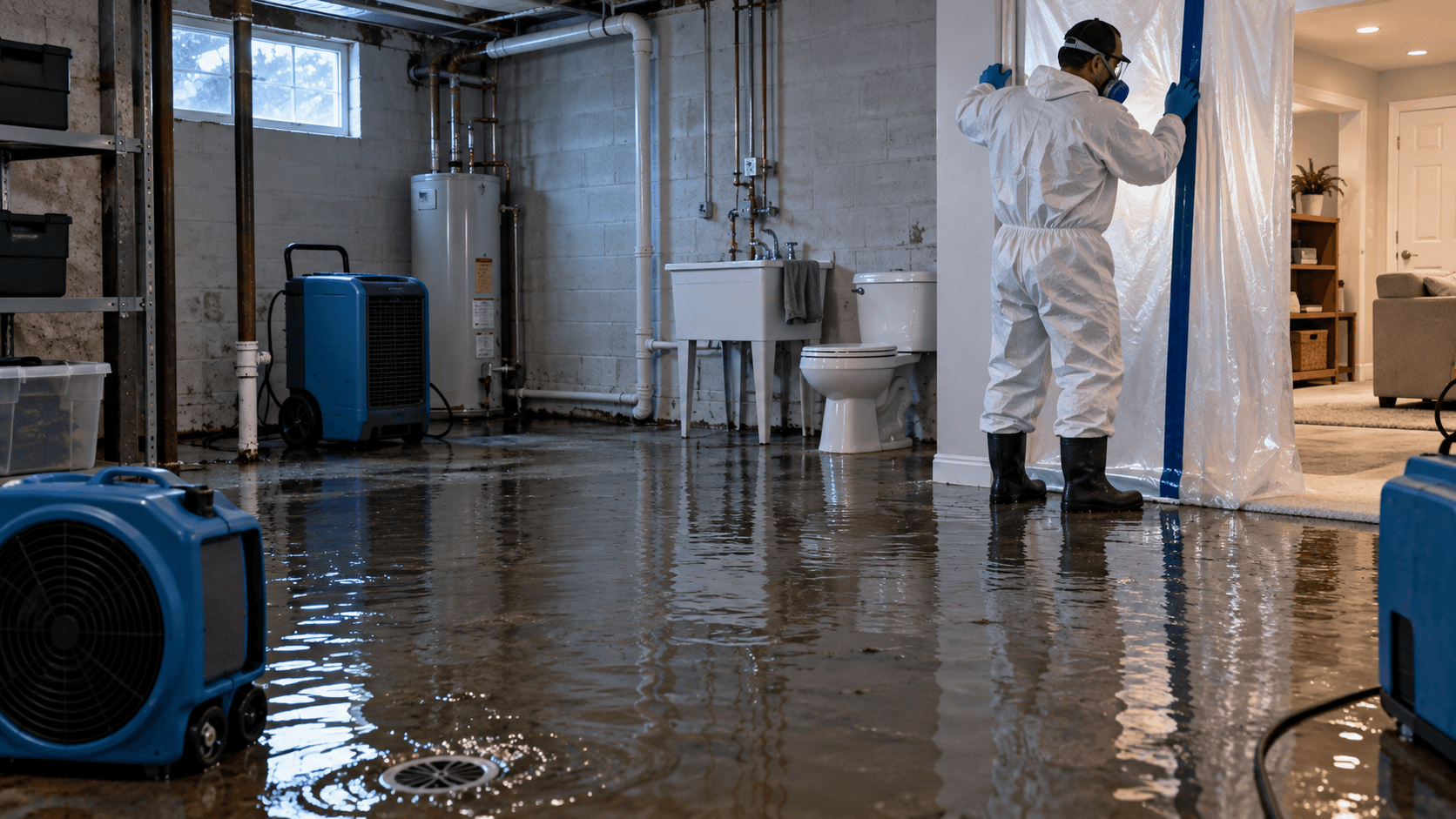
Raw Sewage in Your Home?
Sewage backup in your home? Here is how to secure the area, what never to do with Category 3 water, and what professional cleanup and insurance involve.
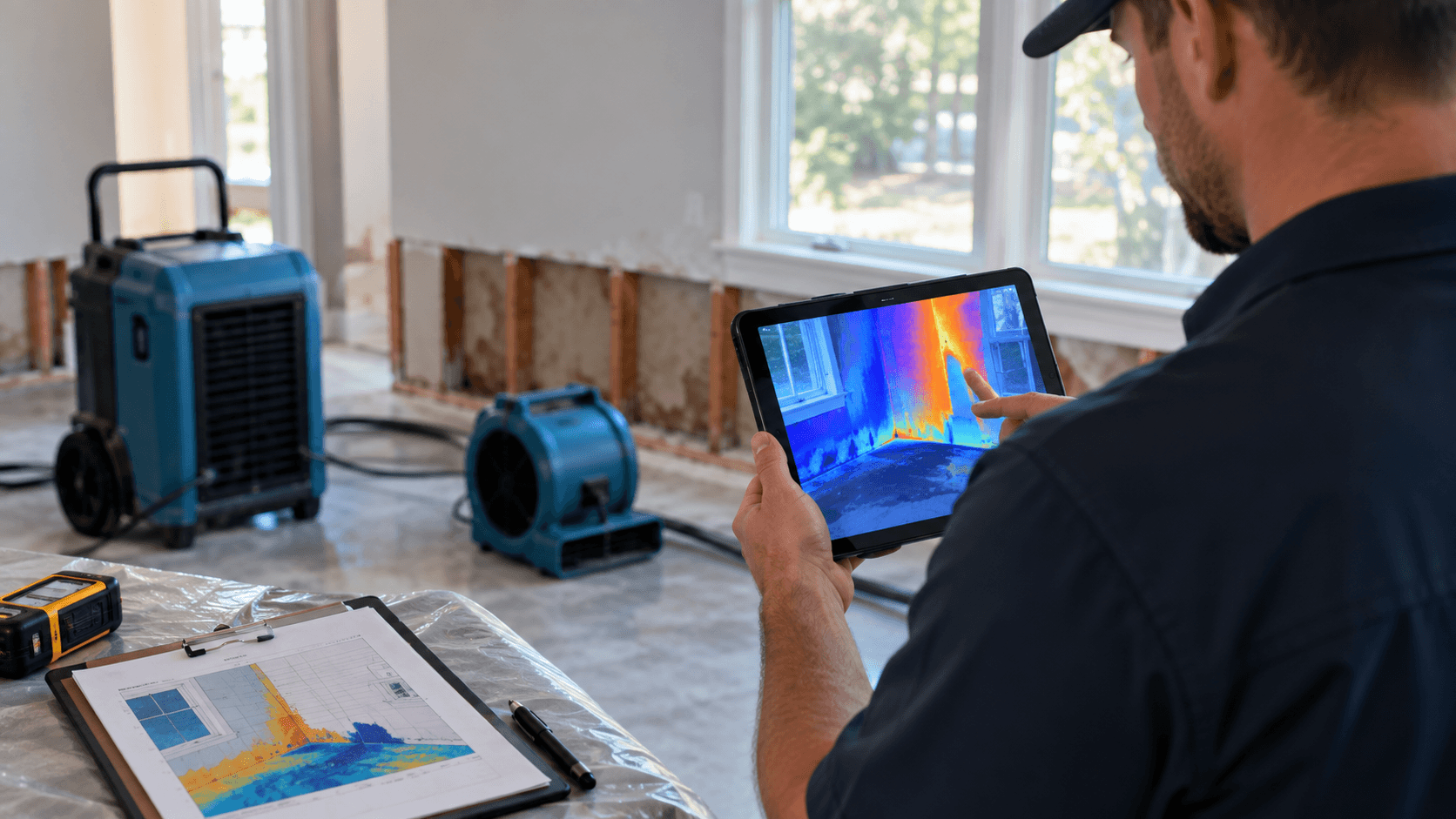
Why Documentation Matters During a Water Loss
Adjusters only pay for what you can prove. Here are the thermal images, moisture maps, and drying logs we build during a water loss so your claim gets paid.
Serving 44+ Cities Across Greater Atlanta
Select your city to see local restoration services near you
Select your city to see local restoration services near you