The Importance of Timely Fire Damage Assessment and Restoration

The Clock Starts the Moment Flames Go Out
Most homeowners assume that once a fire is extinguished, the danger is over and they can take their time planning next steps. This is a costly misconception. Fire damage is an active, ongoing process that continues causing destruction long after the flames are gone. Soot, smoke residue, and fire-suppression water all inflict progressive damage that worsens with every passing hour.
Understanding the timeline of secondary damage explains why immediate professional assessment is not a luxury but a necessity.
The First 24 Hours
Within hours of a fire, acidic soot residue begins corroding metal surfaces throughout your home. Door handles, light fixtures, appliances, and HVAC components are all vulnerable. Electronics exposed to soot experience circuit board corrosion that can render devices unrepairable within days.
Smoke residue on walls and ceilings begins chemically bonding with paint, drywall, and wood surfaces. At this stage, professional cleaning can remove most residue effectively. Every day of delay makes this bonding progressively stronger and more difficult to reverse.
Water used to suppress the fire saturates structural materials. Within 24 hours, this water begins creating conditions for mold growth in the same materials that were damaged by fire and smoke. The intersection of fire damage and water damage creates a compound restoration challenge.
Days Two Through Seven
By the second day, soot that has not been cleaned begins causing permanent discoloration on porous surfaces. The yellowish staining from smoke becomes increasingly difficult to remove. Textiles including clothing, upholstery, and curtains absorb deeper smoke odor that will resist deodorization if not addressed quickly.
Structural wood that absorbed water from fire suppression begins swelling. If temperatures are warm, which is common in Georgia, bacterial growth in standing water produces additional odors and contamination.
By the end of the first week, materials that were salvageable on day one may require replacement. The cost of restoration escalates significantly compared to what it would have been with immediate intervention.
After One Week
Beyond seven days, smoke damage transitions from treatable to permanent on many surfaces. Soot etching on glass becomes impossible to reverse. Odor penetration reaches depths that require more aggressive and expensive treatment methods. Mold colonies in water-damaged areas are established and spreading.
Insurance adjusters who inspect damage weeks after the event may question whether the extent of damage was caused by the fire or by delayed response. This distinction can affect your claim payout.
What Professional Assessment Includes
An immediate professional assessment evaluates structural integrity to confirm the building is safe to enter, identifies all areas affected by fire, smoke, and water, classifies the types of soot and smoke residue present, maps moisture levels throughout the structure, documents everything with photographs and detailed reports for insurance purposes, and establishes a restoration plan with priorities and timeline.
This assessment guides every subsequent step of the restoration process and provides the documentation your insurance company requires.
Protect Your Home and Your Claim
The two most important things you can do after a fire are contact your insurance company and contact a professional restoration company, both within 24 hours. Prompt professional response minimizes secondary damage, reduces restoration costs, and provides the documentation that supports a complete insurance claim.
Champion Cleaning Systems provides 24/7 emergency fire damage assessment and restoration across Sharpsburg, Stockbridge, Buford, Newnan, and metro Atlanta with a 60-minute response time.
Call Champion 24/7 at (404) 282-6821.
You Might Also Like
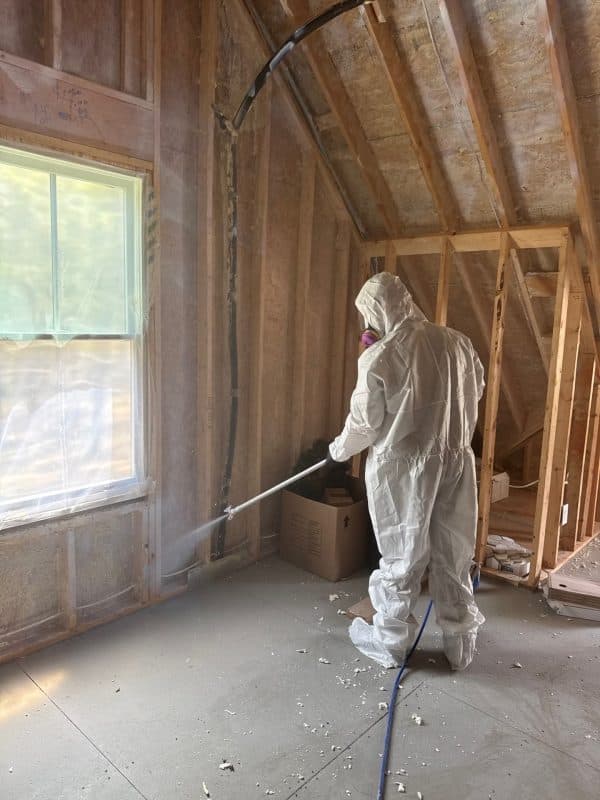
The Hidden Dangers of Smoke Damage and How to Remove It
Smoke damage goes far beyond what you can see. Learn about the health risks of soot and smoke residue and why professional removal is essential.
Summer Candle Fire Risks Every Homeowner Should Know
Candles cause thousands of house fires every year, and summer is peak season for outdoor and decorative candle use. Learn how to enjoy candles safely.

Is Your Electrical Setup Summer-Ready?
Summer electrical demand spikes with AC, pool pumps, and outdoor events. Learn how to prevent electrical fires in your Atlanta-area home this summer.
Serving 44+ Cities Across Greater Atlanta
Select your city to see local restoration services near you
Select your city to see local restoration services near you