Room-by-Room Fire Safety Guide for Your Home

Every Room Has Fire Risks
Most homeowners think of fire safety in general terms: install smoke detectors, keep an extinguisher handy, have an escape plan. But every room in your home presents unique fire hazards that require specific prevention strategies. Understanding these risks room by room makes your home significantly safer.
The Kitchen
Cooking is the number one cause of home fires in the United States, making the kitchen the highest-risk room in your house. Unattended cooking is the leading culprit, followed by grease fires that ignite when oil overheats.
Never leave a stovetop unattended while cooking, especially when frying or sauteing with oil. Keep flammable items like towels, paper towels, oven mitts, and wooden utensils away from burners. If a grease fire starts, never throw water on it. Cover the pan with a lid to smother the flames, or use a Class B fire extinguisher. Keep a fire extinguisher rated for kitchen fires within easy reach.
Clean your range hood and exhaust fan regularly. Grease buildup in these areas is a common ignition source that many homeowners overlook.
The Bedroom
Bedrooms are the deadliest room for fire fatalities because fires that start while people are sleeping give the least warning. Candles, space heaters, and overloaded electrical outlets are the primary bedroom fire risks.
Never leave candles burning unattended or while sleeping. Place space heaters at least three feet from bedding, curtains, and clothing. Avoid running electrical cords under rugs or pinching them between furniture and walls, which can damage insulation and cause arcing.
Install smoke detectors inside every bedroom and test them monthly. A working smoke detector in the bedroom is the single most effective fire safety measure in your home.
The Laundry Room
Dryer fires are more common than most people realize. Lint is extremely flammable, and when it accumulates in the dryer vent duct, it restricts airflow, causes overheating, and can ignite. Clean the lint trap after every load and have the full vent duct professionally cleaned at least once per year.
Check that your dryer's flexible vent hose is not crushed, kinked, or excessively long. Replace plastic or foil accordion-style vent hoses with rigid or semi-rigid metal duct, which is less likely to trap lint and more resistant to fire.
Do not leave the dryer running when you leave the house or go to sleep. If your dryer takes longer than normal to dry clothes or feels unusually hot, stop using it and inspect the vent system.
The Garage
Garages store a concentration of flammable materials: gasoline, paint thinners, propane, cleaning solvents, and oily rags. These materials produce vapors that can be ignited by a spark from a power tool, a hot engine, or even a pilot light on a nearby water heater.
Store flammable liquids in approved containers on a shelf away from heat sources. Never store propane tanks inside an enclosed garage. Keep a fire extinguisher rated for flammable liquids (Class B) in the garage and know how to use it.
If your water heater is located in the garage, ensure it is elevated at least 18 inches off the floor on an approved stand. Gasoline vapors are heavier than air and collect at ground level, where they can be ignited by the pilot light or burner of a floor-level water heater.
The Living Room
Fireplaces, candles, and overloaded entertainment centers are the primary fire risks in living rooms. Have your chimney inspected and cleaned annually before the first use of the season. Use a fireplace screen to contain sparks and embers. Never burn treated wood, cardboard, or trash.
Avoid daisy-chaining power strips to run multiple devices from a single outlet. Entertainment systems, gaming consoles, cable boxes, and sound systems can collectively draw significant power. If circuit breakers trip frequently when these devices are running, have an electrician evaluate your electrical panel.
Throughout the Home
Install smoke detectors on every level of your home, inside every bedroom, and outside each sleeping area. Test them monthly and replace batteries annually. Replace the entire unit every 10 years. Consider interconnected smoke detectors so that when one sounds, they all sound.
Create and practice a fire escape plan with your household. Identify two exits from every room and establish an outdoor meeting point. Practice the plan at least twice per year.
If fire does strike your home despite these precautions, Champion Cleaning Systems provides 24/7 emergency fire damage restoration across metro Atlanta, including Sharpsburg, Stockbridge, Buford, and Newnan.
Call Champion 24/7 at (404) 282-6821.
You Might Also Like
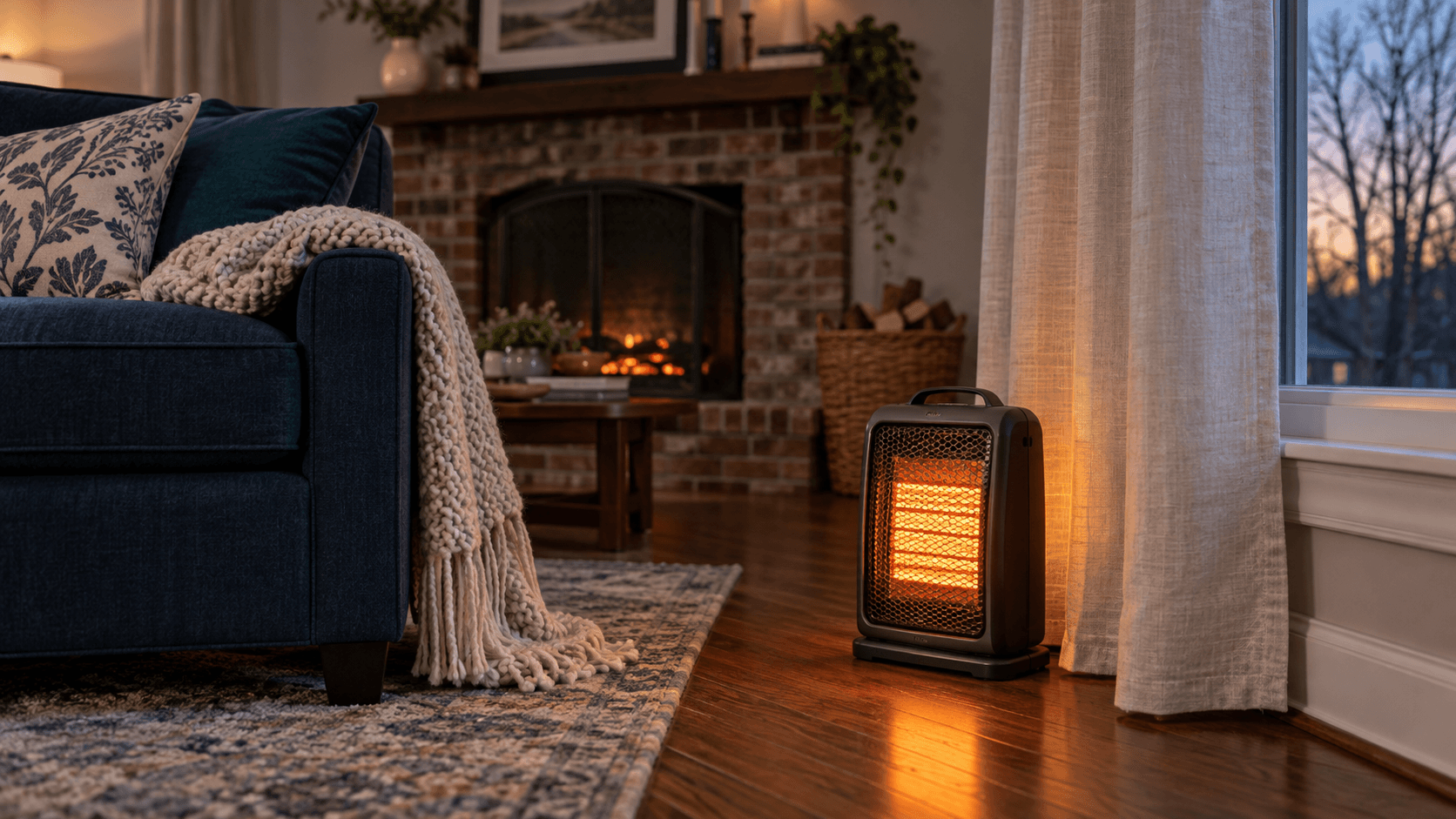
Take Note! Top Causes for Fall and Winter Fires
Space heaters, dirty chimneys, neglected furnaces, and overloaded outlets are the top causes of heating season fires. Here is how to keep your home safe.
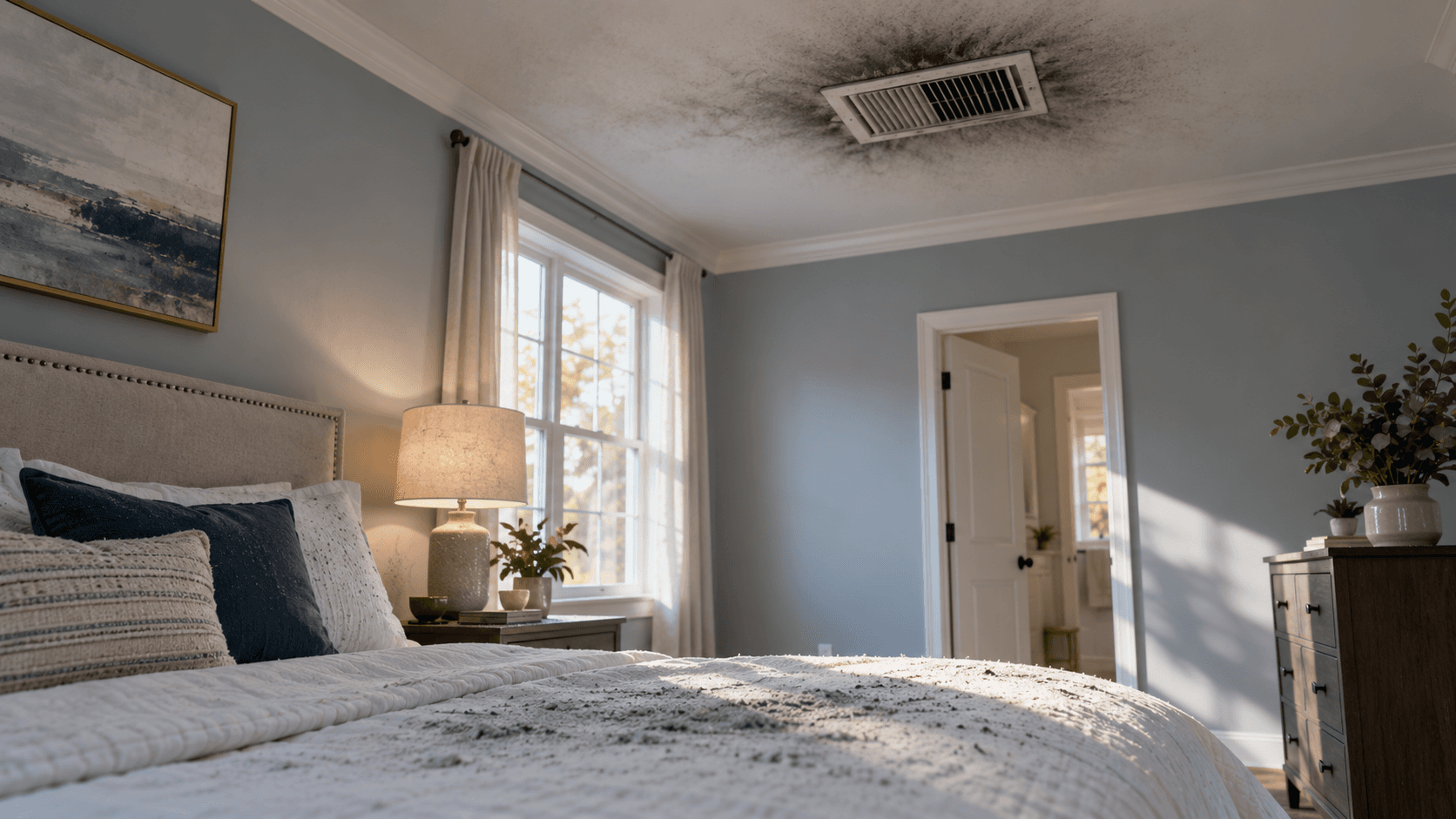
Damage Doesn't Stop Where the Flames Do
The fire stayed in one room, but the smoke did not. Here is how soot travels through your HVAC system and walls, and why household cleaners make it worse.
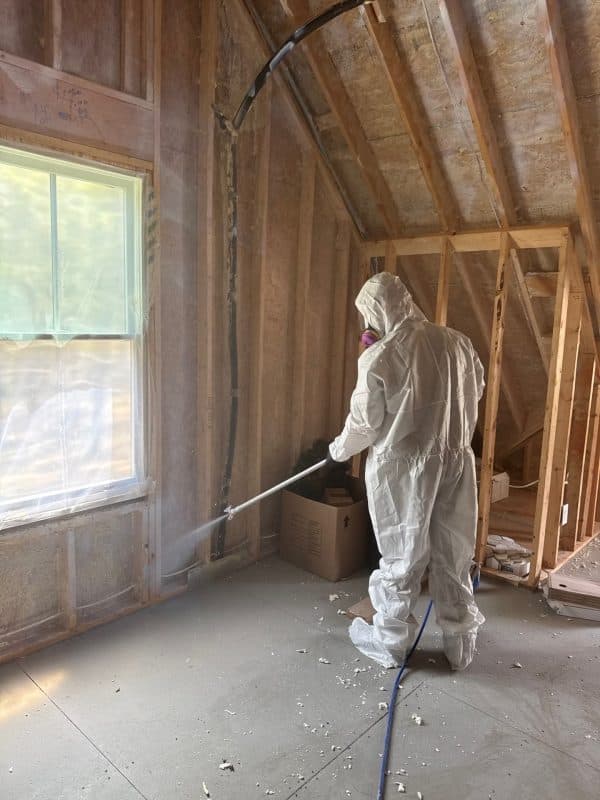
The Hidden Dangers of Smoke Damage and How to Remove It
Smoke damage goes far beyond what you can see. Learn about the health risks of soot and smoke residue and why professional removal is essential.
Serving 44+ Cities Across Greater Atlanta
Select your city to see local restoration services near you
Select your city to see local restoration services near you