Fire Damage Restoration: Why Professional Cleanup Matters

Fire Damage Does Not Stop When the Flames Go Out
When a fire is extinguished, many homeowners believe the worst is over. In reality, the damage continues. Soot particles settle on every surface, bonding chemically with materials and becoming harder to remove with each passing hour. Acidic smoke residue corrodes metals, discolors finishes, and degrades electronics. Water used to fight the fire saturates structural materials, creating conditions for mold growth within 24 to 48 hours.
Professional fire damage restoration addresses all three types of damage simultaneously: fire, smoke, and water. This integrated approach is what separates successful restoration from incomplete cleanup that leads to ongoing problems.
The Professional Restoration Process
A structured restoration process follows a logical sequence designed to stabilize the property, prevent secondary damage, and restore the home to its pre-loss condition.
The first phase is emergency response and stabilization. The restoration team secures the property by boarding up openings, tarping damaged roofing, and assessing structural integrity. Standing water from fire suppression is extracted immediately to prevent mold growth and additional structural damage.
The second phase is damage assessment and documentation. Technicians catalog every affected area, photographing damage, measuring moisture levels, and identifying the types of smoke and soot present. This documentation serves dual purposes: guiding the restoration strategy and supporting the insurance claim.
The third phase is smoke and soot removal. Using cleaning methods specific to the type of soot, technicians clean all salvageable surfaces. Dry soot from wood and paper fires is vacuumed with HEPA-filtered equipment before any wet cleaning to avoid smearing. Wet or protein-based soot requires chemical cleaning agents formulated for those specific residues.
The fourth phase is odor elimination. Smoke odor molecules penetrate deep into porous materials and cannot be masked with air fresheners. Professional methods include thermal fogging, which disperses a deodorizing agent that follows the same paths smoke took through the structure, and ozone treatment, which chemically neutralizes odor molecules at the source.
The fifth phase is structural repair and reconstruction. Damaged drywall, flooring, insulation, and framing are removed and replaced. Electrical and plumbing systems are inspected and repaired as needed. The goal is returning the home to its pre-fire condition or better.
Why You Cannot Do This Yourself
Fire damage restoration requires equipment that is not available to consumers. Industrial air scrubbers with HEPA filtration capture airborne particles that household air filters miss entirely. Commercial-grade dehumidifiers and air movers create the controlled drying environment needed to prevent mold in fire-suppression-soaked structures. Thermal foggers and ozone generators address embedded odors that no amount of scrubbing or air freshening can reach.
Beyond equipment, the knowledge of which cleaning method to use on which type of soot is critical. Using the wrong approach does not just fail to clean, it makes the damage permanent. Wiping dry soot with a damp cloth smears it into the pore structure of the material. Applying water-based cleaners to protein-based soot sets the residue and locks in the odor.
IICRC-certified technicians are trained to identify soot type on sight and apply the correct protocol from the start.
Choosing the Right Fire Restoration Company
When selecting a restoration company after a fire, verify these qualifications. IICRC certification confirms the company follows industry-standard protocols. Twenty-four-seven emergency availability is essential because fire damage worsens by the hour. Insurance coordination experience means the company can provide the documentation and Xactimate-formatted estimates that adjusters require.
Ask about response time. In fire damage restoration, faster is better. Companies that can arrive within 60 minutes of your call minimize the secondary damage that occurs while you wait.
Check reviews from recent customers in your area and ask for references from jobs similar in scope to your damage.
Champion Cleaning Systems has served metro Atlanta since 1970 with IICRC-certified fire damage restoration. We respond 24/7 within 60 minutes across Sharpsburg, Stockbridge, Buford, Newnan, and all surrounding communities.
Call Champion 24/7 at (404) 282-6821.
You Might Also Like
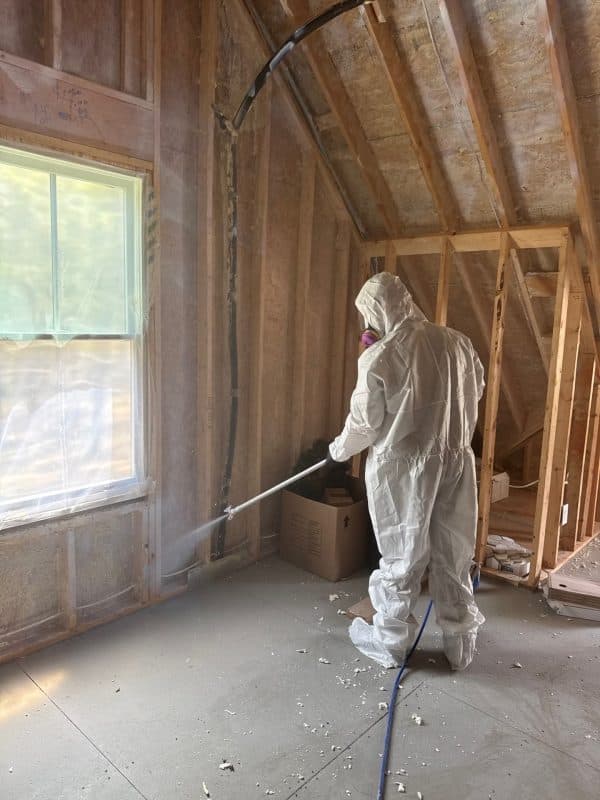
The Hidden Dangers of Smoke Damage and How to Remove It
Smoke damage goes far beyond what you can see. Learn about the health risks of soot and smoke residue and why professional removal is essential.
Summer Candle Fire Risks Every Homeowner Should Know
Candles cause thousands of house fires every year, and summer is peak season for outdoor and decorative candle use. Learn how to enjoy candles safely.
Is Your Electrical Setup Summer-Ready?
Summer electrical demand spikes with AC, pool pumps, and outdoor events. Learn how to prevent electrical fires in your Atlanta-area home this summer.
Serving 44+ Cities Across Greater Atlanta
Select your city to see local restoration services near you
Select your city to see local restoration services near you