How to Pay for Water or Fire Damage Restoration: Insurance, Self-Pay, or Financing

Finding unexpected damage in your home, whether it is a busted pipe flooding the basement or smoke damage from a kitchen fire, is incredibly stressful. We get it. Your first thought is probably "how do I get this cleaned up?" followed immediately by "how much is this going to cost me?"
At Champion we want to take the guesswork and the anxiety out of the financial side of things. When we come out to look at the damage, we will help you figure out the smartest way to handle the bill.
Heads Up: Cleanup Is Only Part of the Cost
Before we look at payment options, it is important to know that getting the water out or the smoke cleaned up is only phase one. That is the emergency mitigation part.
Depending on how extensive the damage is, the total cost to get your home back to normal might also include:
- Plumbing repairs. If a pipe burst or a water line failed, a plumber has to fix the actual leak. Champion focuses on drying the structure. We do not fix the plumbing that caused the issue, so that is a separate cost to keep in mind.
- Packouts. Moving, cleaning, and storing your furniture and belongings so they do not get ruined by moisture or smoke.
- Asbestos testing and abatement. Although it is more common in older structures, asbestos can still be found in materials today. Depending on the type of work that needs to be done, testing may be required. If materials come back positive and we will be disturbing them, abatement is needed before the work continues.
- Specialty removals. Taking out granite countertops, for example, so they do not crack during demolition.
- Repairs and putting it back together. New drywall, new flooring, and paint once everything is 100 percent clean and dry.
Because those extra steps add up, you want to look at the whole picture when you decide how to pay. Here are the three ways we handle bills.
1. Filing an Insurance Claim, When It Makes Sense
For water or fire damage, using your homeowners insurance is usually the best route, especially once you factor in packouts and reconstruction. But we will not tell you to file a claim blindly. We look at two things first.
- Your deductible. If a minor water cleanup is going to cost $1,200 and your deductible is $1,000, it may not be worth filing a claim to save $200, since your rates could go up. If the total project runs into the thousands, a claim is absolutely the way to go.
- Whether it will actually be covered. Insurance can be picky. Gradual leaks and damage from deferred maintenance often get denied, while sudden accidents and fires are usually covered. We will give you our honest opinion on what your policy is likely to cover before you pick up the phone to file. Keep in mind that many policies cover the water cleanup and the home repairs but do not cover the plumbing bill to fix the broken pipe itself.
If a claim makes sense, we document everything with photos, moisture readings, and dry logs to make it as easy as possible for your adjuster. If your insurance company has questions about the damage, we can answer them directly.
2. Self-Pay, Out of Pocket
If the damage is minor, does not meet your deductible, or falls into one of those gray areas insurance will not cover, you can pay for it yourself.
We accept checks and electronic payments. You will get a clear, upfront estimate before we demolish any materials or set up a single piece of equipment. What we quote you before the project begins is what you pay. No surprise invoice at the end.
One thing to remember: Champion performs the mitigation only. We do not handle the repairs or the testing ourselves. We can recommend a repair contractor and they will walk you through their pricing separately.
3. Financing
An emergency is never a planned expense. Stacking plumbing, mitigation, and repairs on top of everything else can feel overwhelming. If you need the work done right away to keep your home safe but the cash is not sitting in your bank account, you are not stuck.
We offer financing that lets you break the cost into payments. Approval is fairly quick, so we can get your home dried out and moving toward repair without draining your savings.
The Bottom Line
Our goal is to protect your home first and help you navigate the cost second. At the initial inspection we will walk you through the damage, build a game plan for your specific job, and help you make the right financial call for your situation.
Champion inspections are always free. Do not delay mitigation out of fear of what it will cost. Call us 24/7, 365.
You Might Also Like
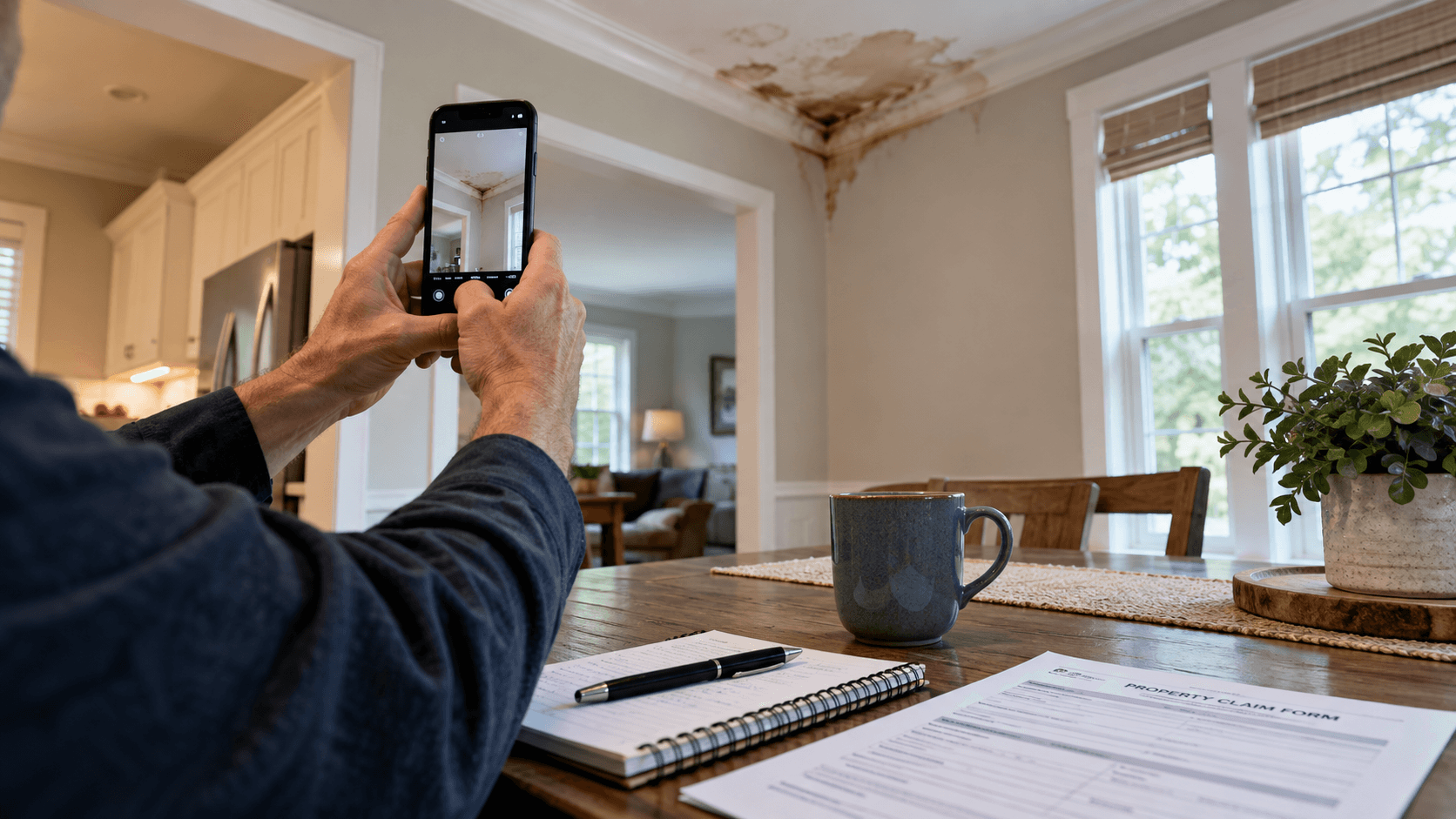
What To Expect When Filing an Insurance Claim
Filing a home insurance claim after water or fire damage? Here is what to expect, from the first photos to the adjuster visit, and why to call us first.

Will Insurance Cover My Water Damage? A Georgia Homeowners Guide
Not all water damage is covered by homeowners insurance. Learn what Georgia policies typically cover, common claim mistakes, and how to maximize your payout.
Home Maintenance and Insurance: How Neglect Can Cost You Coverage
Your insurance company can deny water damage claims if they determine the damage resulted from neglected maintenance. Learn how to protect your coverage.
Serving 44+ Cities Across Greater Atlanta
Select your city to see local restoration services near you
Select your city to see local restoration services near you