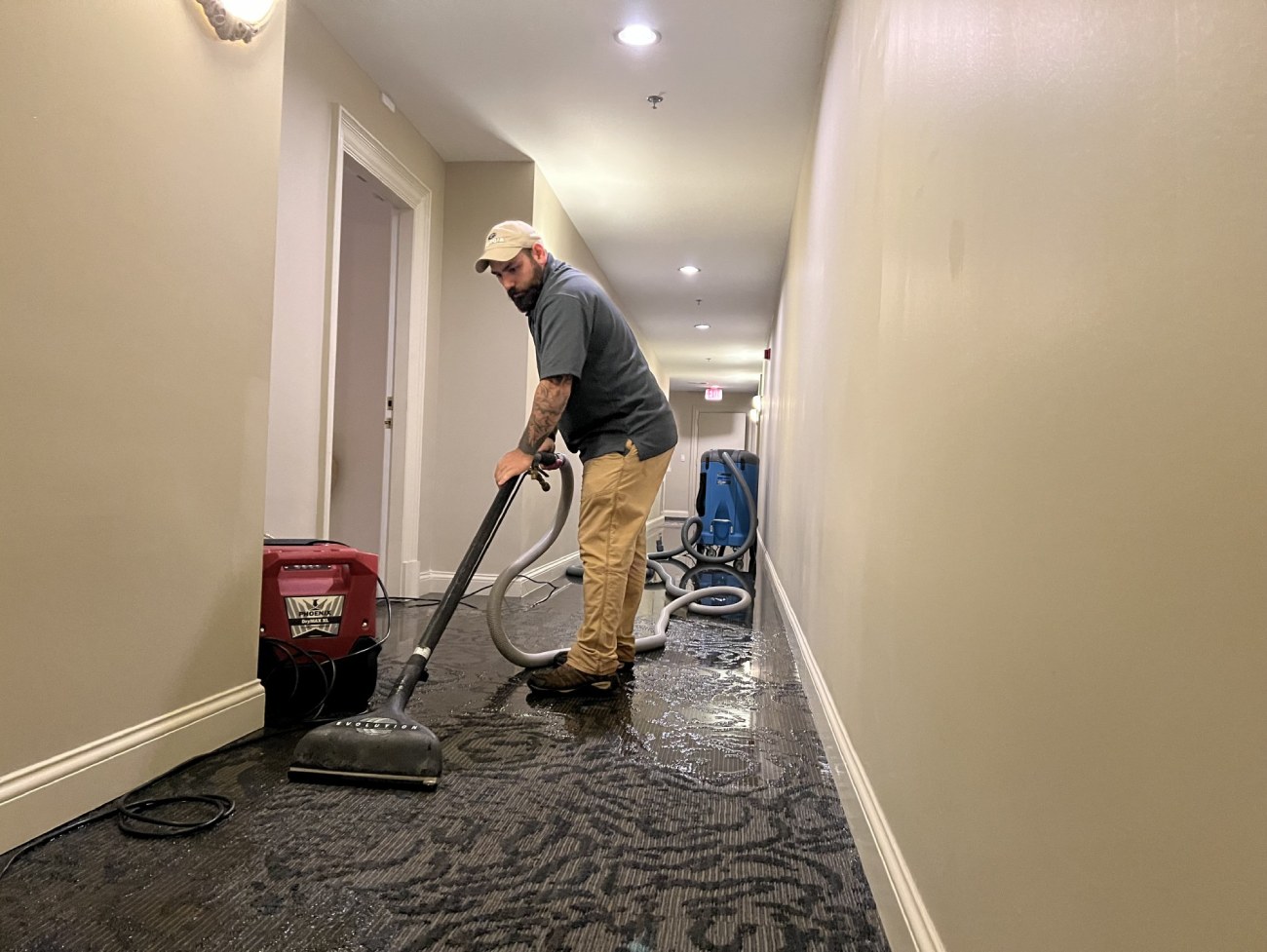
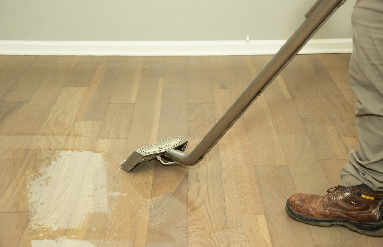
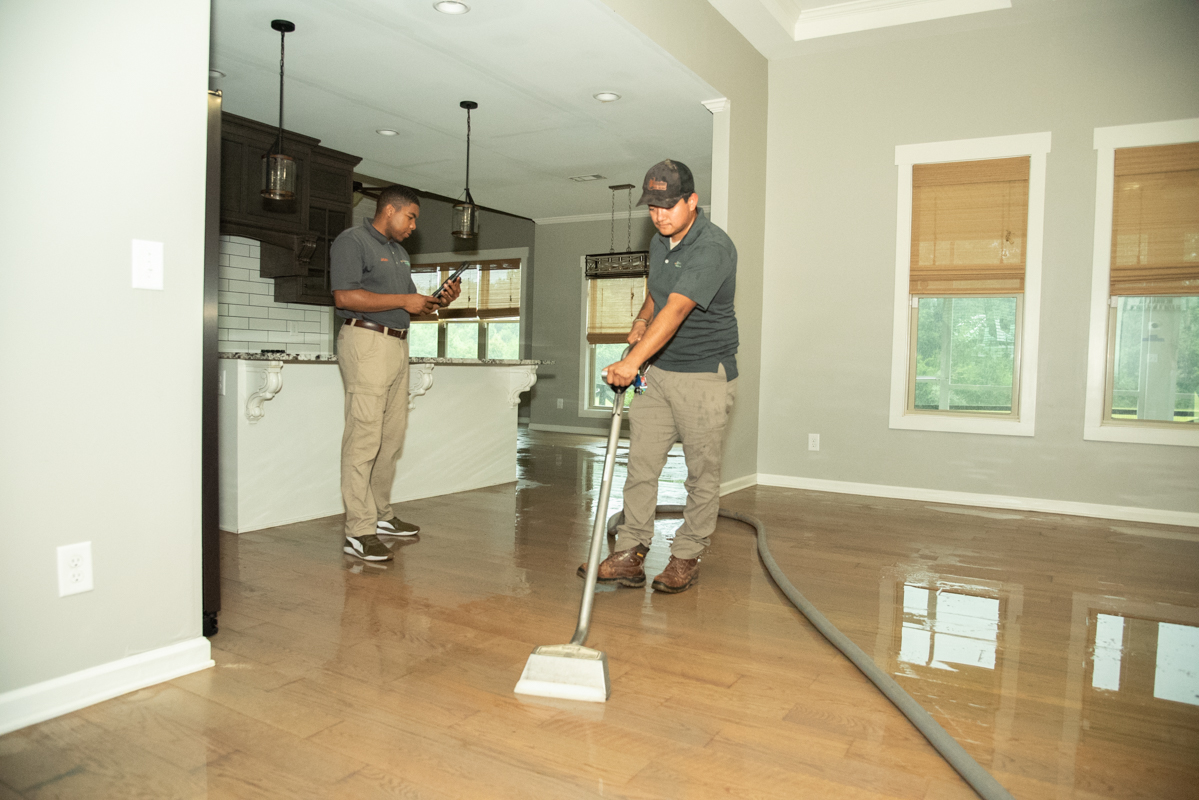
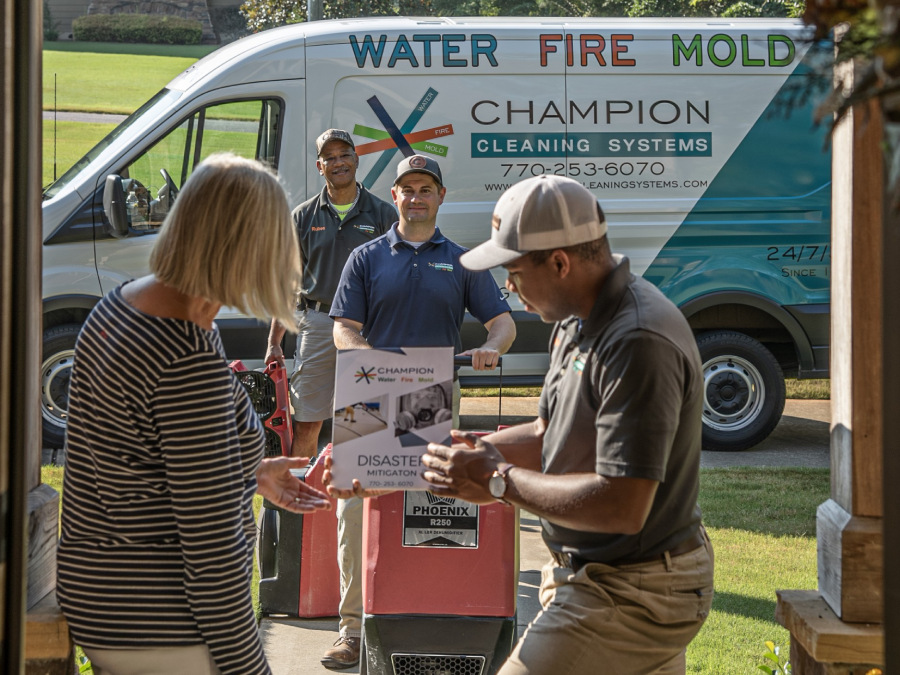
The Stockbridge location has handled the water leak at my home. Tanner, Jose, Hunter and Brian. Each of these young men were very professional, extremely respectful and helpful. They fully explained the process of what they were doing and answered all my questions (of which there were many) Tanner kept me informed of what was going on and when they would be arriving which was always on time.
Marilyn Chastain
28 August 2023
They accidentally left a lock box on my back door back in 2009. Just today I finally got around to calling them. The office looked up the combination code for me but I still couldn't get the lock off. Told her there was no hurry cause it had been on there for 15 years already. Within two hours my hero Brian was there and had to use a screw driver to get it off my door. He was so personable and took some time to have a really pleasant conversation with me. Can't say enough good things about this experience. BTW, my dealings with Champion back in 2009 was also great. $35,000 worth of water damage and they put my house back together beautifully! Great company, great people. Highly recommend.
Connie Lambert
28 August 2023
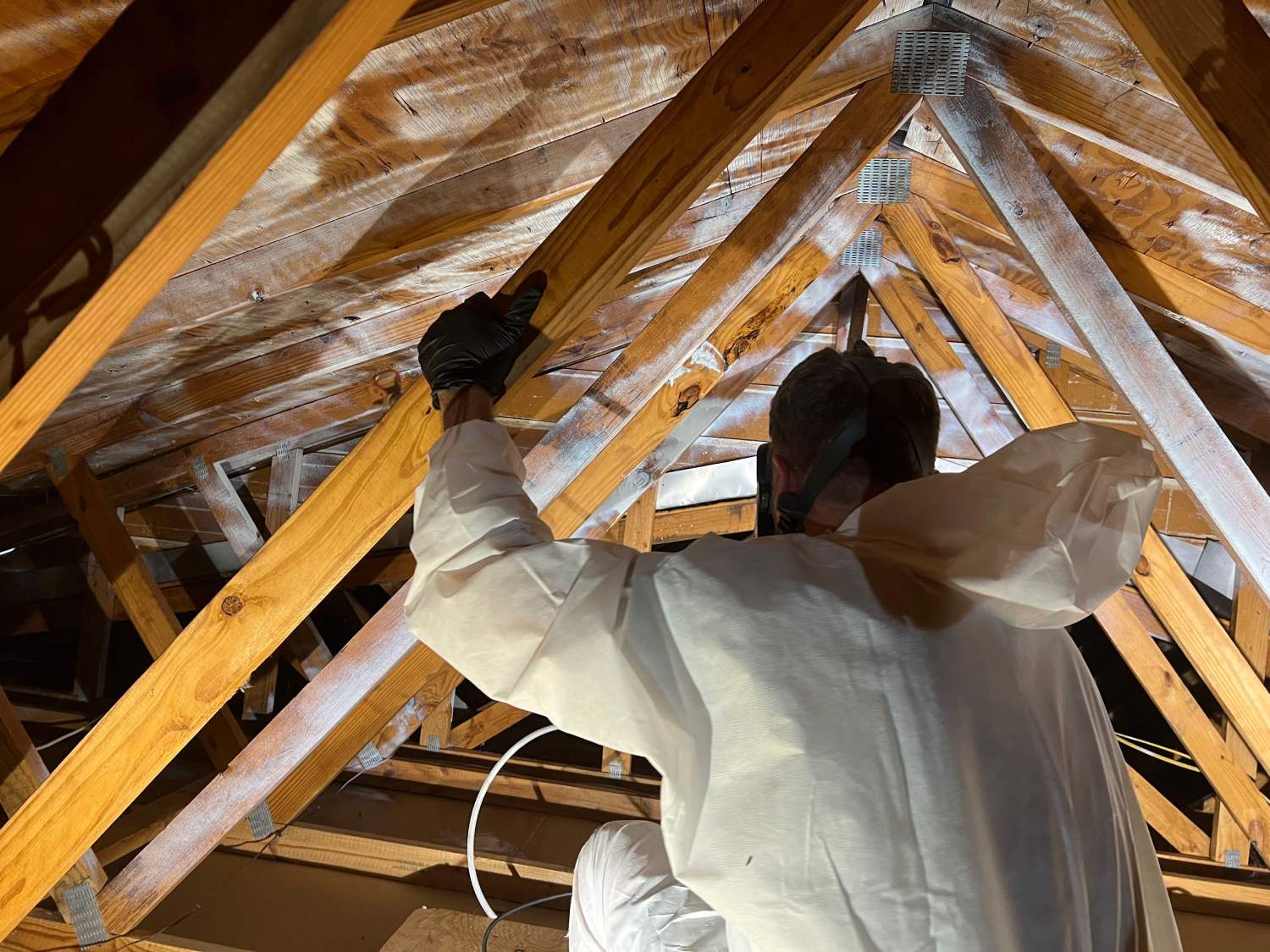
Jordan and his work associate was great. When we called, they did not waste time. They were able to clean up all mold and did as little damage as possible. Kept work area clean and went beyond expectations. Highly recommend. Will be the only person will trust if we ever have any more problems.
Michelle Cornett
20 August 2023
I can’t say enough about the great experience I had dealing with Champion Services during my water damage loss. Brian Holmes gets two thumbs up in my book. He followed up and explained what was going to happen and what to expect. He was professional and genuine in his concern for the mitigation. I will recommend this company with confidence. The entire staff have been courteous and a shout out to Rubin who went over and above on a weekend to come check my project and was very thorough. He also showed genuine interest and concern to getting my room dry. Thank you for making a very stressful situation much easier to handle.
Maggie Johnson
23 May 2023
Our home recently received extension water damage from a roof replacement during a pop-up storm. Water came through in nearly every area of our home. Champion was at our house within a couple hours of the event with fans and dehumidifiers. Over the course of 10 days we had many, many people with Champion in our home working tirelessly to dry out our home and demo what was needed. Every person was respectful, hard working, and understanding of our unexpected situation. Every time I walked in our home to see progress, Thomas or Kenn made sure to stop what they were doing and walk me through what was happening. They talked us through how the process would work, what would happen with insurance, and how they were making sure all was dry. They answered all of my questions happily. While I know this was a big project, they seemed more than able to handle the situation. In an unexpected situation like this, they were a Godsend. They even went the extra step of having contractors and content specialists companies contact me for the next steps we needed to take. They didn't have to do that, but it took those items off my plate and kept things moving forward during a stressful time. I will always recommend them to anyone in need of these services.Thank you Chris, Andrew, Thomas, Kenn, and all the others for helping us through this with professionalism, kindness, and competence.
Jeff Webster
12 April 2023
Expeditious, professional, and friendly!! I needed walls tore out, mold mitigation, and dry-out services after a pipe in our walls suddenly decided to leak. They accomplished what should have taken around five days in only three days. I couldn’t have chosen a better company! Thank you very much!
Mark Simpson
23 February 2023
Champion Services were simply there when we needed help. Upon arrival they were very quick in not only identifying the root cause of the water damage but also at mitigating any further damage. Within a few hours the home was equipped and abuzz with the equipment to start the drying process and breakdown.
Thankfully, due to Champion Services’ fast response the home incurred no further damage and is ready for rebuild.
Thank you to Chris Reets and the entire team that helped!
Dennis Pate
5 December 2022
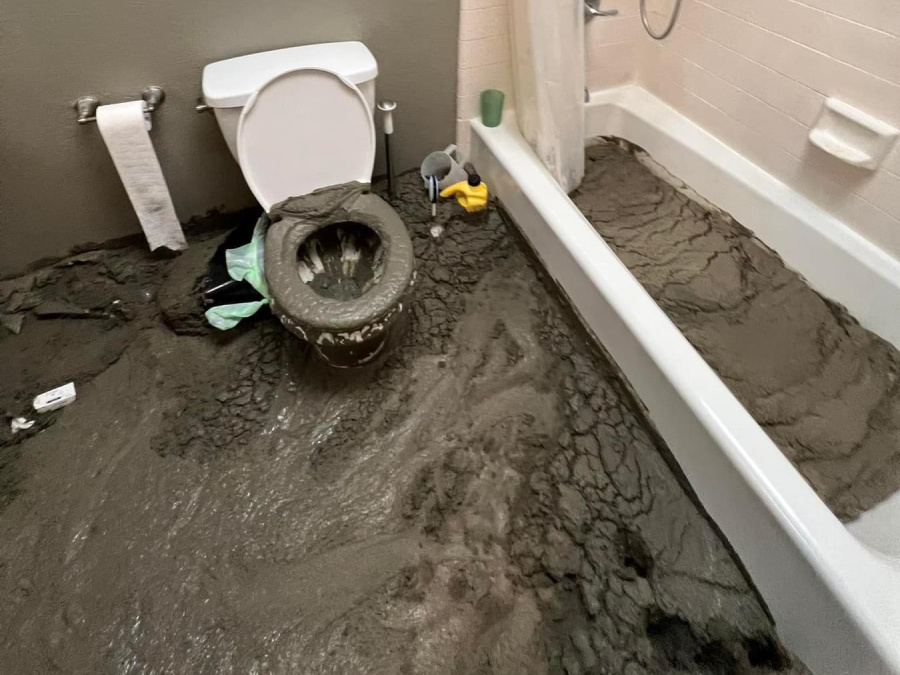
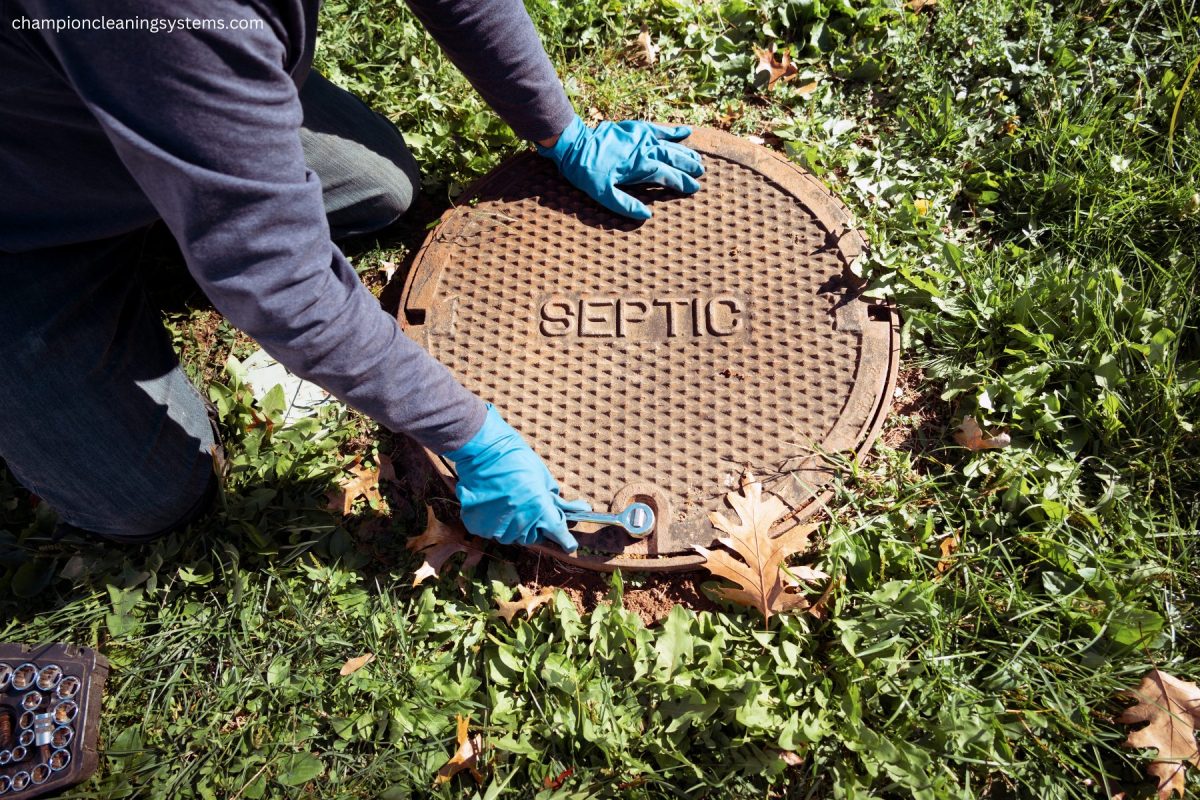
Due to a large blockage in our plumbing leading to the septic tank a large amount of waste and water back flowed into our home. It caused a mess in our bathroom and the basement below it. All while we were home with a newborn baby. Andrew came out the same day I called to inspect the damage and get me rolling on the removal process. Antonio and his crew came out ASAP to remove the affected areas, clean, sanitize, and dry. I was very impressed with their service. Each representative I spoke with was professional and either called me back or showed up exactly when they said they would. They were very clean as they went about the removal and mitigation process. Laying down plastic on anything in they area that could be affected. This was a very stressful event for us and all we wanted was our home back. While I still have a ways to go getting it back like it was I have no concerns about how clean the areas are or issues with potential mold. I truly hope I never need their services again but I will be recommending them to others in need. Thanks Champion!