Protect Your Home from HVAC Leak Water Damage This Summer
Your AC Is a Water Damage Risk
Georgia summers mean air conditioning runs nearly around the clock, and every hour of operation produces condensation. Your AC system can generate 5 to 20 gallons of water per day, all of which must drain away through the condensate line. When that line clogs, which happens frequently, the water has nowhere to go but into your home.
HVAC-related water damage is one of the most common summer insurance claims in the Atlanta metro area, and it is almost entirely preventable with basic maintenance.
How HVAC Water Damage Happens
As your air conditioner cools air, it pulls moisture from the air and collects it in a drip pan beneath the evaporator coil. This water flows through a condensate drain line, typically a PVC pipe that exits to the exterior of your home or connects to a floor drain.
Over time, algae, mold, and sludge build up inside the drain line, gradually restricting flow. When the blockage becomes complete, the drip pan fills and overflows. If the air handler is in the attic, which is common in many Atlanta-area homes, the overflow water runs through the ceiling, down walls, and across flooring before anyone notices.
A rusted or cracked drip pan causes the same result even with a clear drain line. Older systems are particularly susceptible to pan failure.
Warning Signs of a Developing Problem
Water stains on the ceiling below an attic-mounted air handler are the most obvious sign, but by the time you see them, the leak has been active for a while. Earlier indicators include the air handler making gurgling sounds during operation, which suggests water is pooling in the drain pan. Musty odors near supply vents indicate mold growing in or near the air handler. Reduced cooling performance can result from a frozen evaporator coil caused by restricted airflow from moisture buildup.
A secondary drip pan beneath the air handler that contains water means the primary drain has already failed. This secondary pan is a backup, not a permanent solution.
Prevention Steps
Flush the condensate drain line every one to three months during cooling season. Pour a cup of distilled white vinegar or a commercial condensate line cleaner into the access port to kill algae and prevent buildup. Follow with clean water to flush the line.
Have your HVAC system professionally serviced at the start of each cooling season. A technician will clean the evaporator coil, inspect the drip pan for damage, clear the drain line, and verify the system is operating properly.
Install a float switch on the drip pan if one is not already present. A float switch shuts off the air conditioner when the pan water level reaches a threshold, preventing overflow. This simple device costs under 20 dollars to install and can prevent thousands in water damage.
If your air handler is in the attic, inspect the secondary drip pan periodically. Any water in this pan means the primary system has a problem that needs immediate attention.
When HVAC Leaks Cause Damage
If your air conditioning system causes water damage, shut off the system and locate the source. Document all damage with photos before beginning cleanup. If water has penetrated the ceiling or walls, professional assessment is necessary to determine the extent of hidden moisture.
Ceiling-mounted water damage is particularly concerning because the water may have spread along the ceiling joist bays, wetting insulation and drywall across a wide area that is not visible from below.
Champion Cleaning Systems provides water damage restoration for HVAC-related flooding across Sharpsburg, Stockbridge, Buford, Newnan, and metro Atlanta.
Call Champion 24/7 at (404) 282-6821.
You Might Also Like
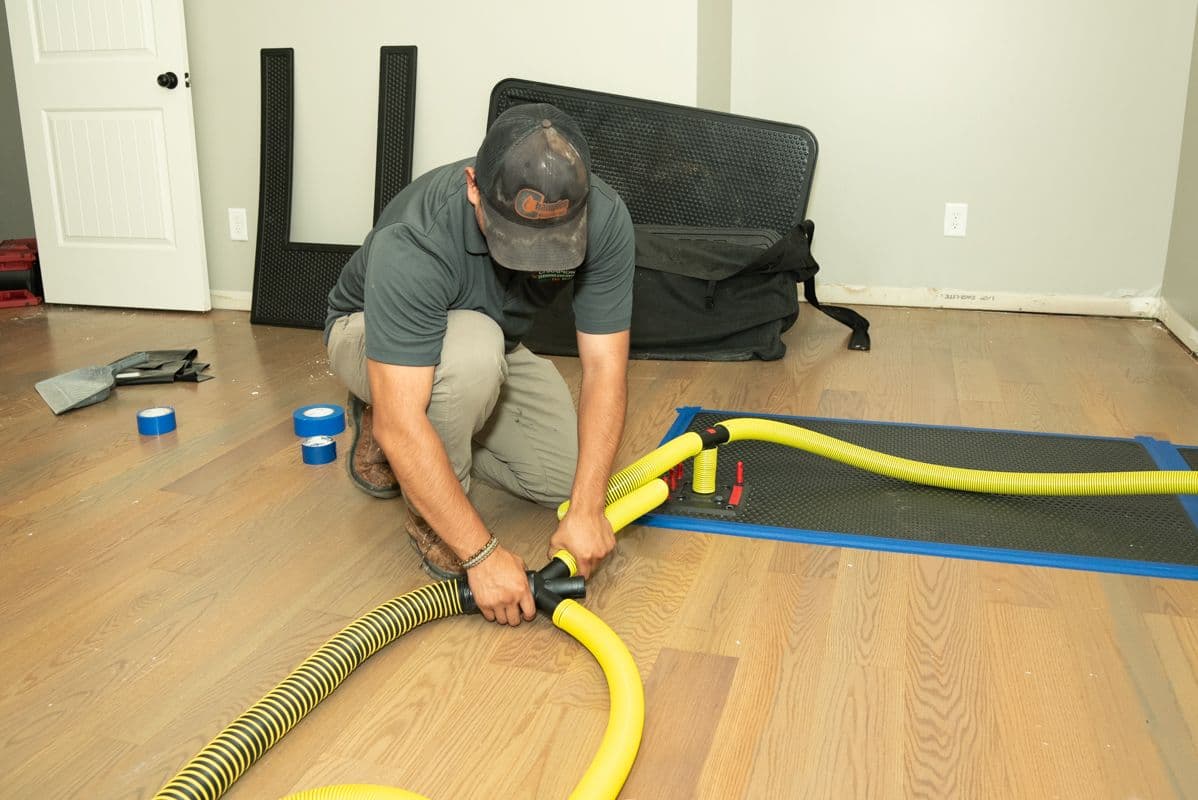
Spring Storm Preparedness: Protect Your Atlanta Home from Flooding
Spring storms in Georgia bring heavy rain and flash flooding. Learn the exterior and interior steps to protect your home and what to do if flooding occurs.
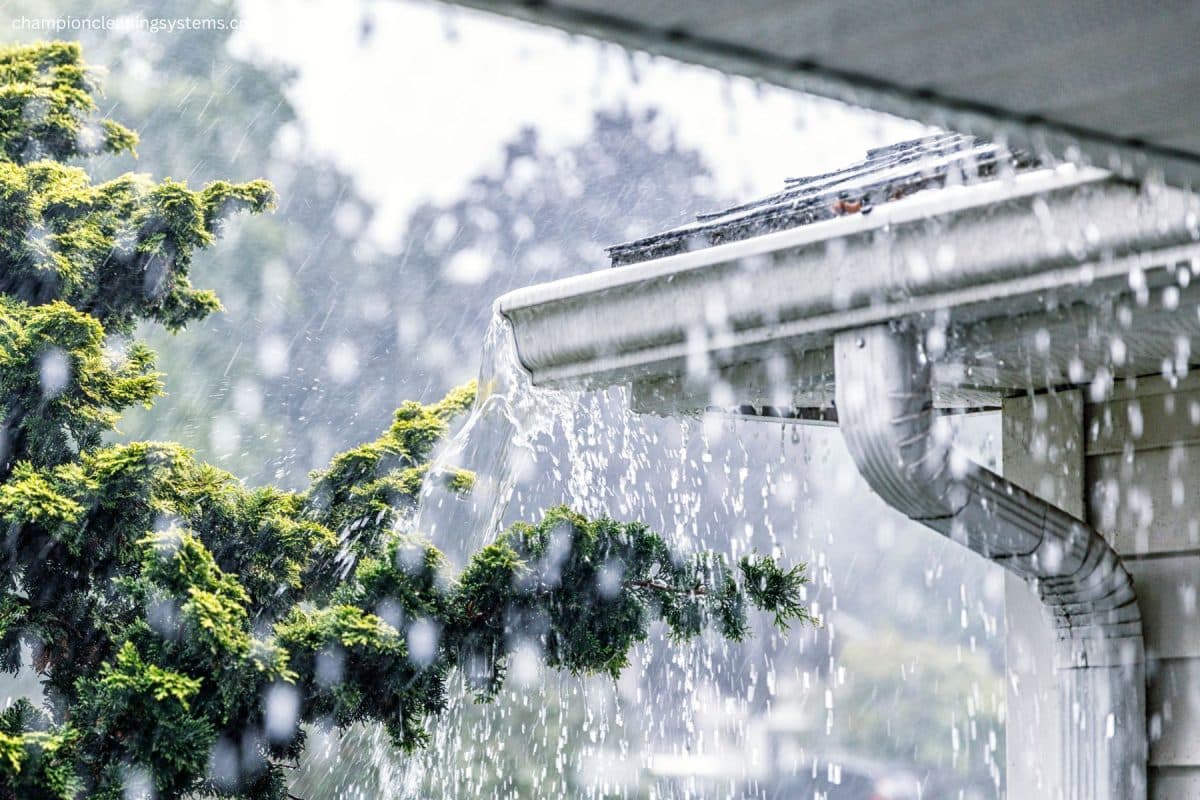
Spring Water Damage Prevention: Gutters, Grading, and More
Spring rains test every weakness in your home's defenses. Learn the essential prevention steps Atlanta homeowners should take before the rainy season hits.

How to Protect Your Home from Water Damage When Leaving Town
Leaving for vacation? These pre-trip steps prevent the flooding disasters that happen when nobody is home to catch a leak.
Serving 44+ Cities Across Greater Atlanta
Select your city to see local restoration services near you
Select your city to see local restoration services near you