24/7 Emergency Service
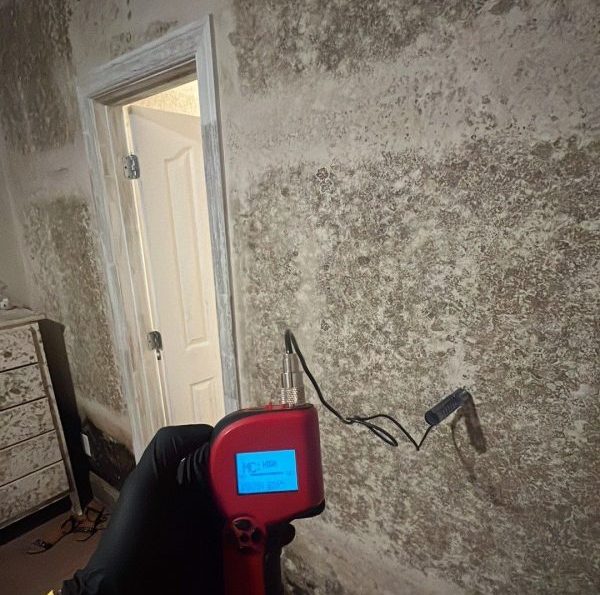
Finding mold in your home is one of those heart sinking moments. Whether it’s a dark smudge behind the guest room curtains, a fuzzy patch under the kitchen sink, or that earthy, musty smell in the basement, the discovery usually triggers an immediate sense of urgency.
Our homes are our sanctuaries, and the idea of organic growth on our walls is unsettling. However, when it comes to mold, speed without strategy is a recipe for disaster. Because mold isn’t just a stain, it’s a living, breathing, reproducing organism. How you react in the first 24 hours can determine whether you solve the problem or inadvertently spread it throughout your home causing further damage.
In this blog post, we’ll dive deep into the common mistakes homeowners make when they find mold, and why "doing it yourself" might be the most expensive decision you ever make.
It is human nature to want to scrub away a mess, but mold remediation isn’t as easy as wiping it up. It requires a fundamental understanding of microbiology. If you find mold, avoid these five common pitfalls at all costs.
If there is one "household tip" that needs to be retired forever, it’s using bleach to kill mold. While bleach is a powerful disinfectant for non-porous surfaces like stainless steel or glass, it is largely ineffective, and often harmful, on porous materials like drywall, wood, or grout.
The Science of the Failure: Mold has a "root" system called hyphae that grows deep into porous materials. Chlorine bleach is approximately 90% water. When you spray it on drywall, the chlorine stays on the surface (where it bleaches the color out of the mold, making it look gone), while the water soaks deep into the material. You are effectively feeding the mold. A week later, the mold often returns even more aggressively because you’ve provided it with its favorite thing: moisture.
It’s tempting to grab a bucket of "mold-resistant" paint and cover up that ugly stain. This is the equivalent of putting a fresh coat of paint on a car with a rusted-out engine.
The Risk: Mold is incredibly resilient. If you paint over it without addressing the source of the moisture or removing the spores, the mold will continue to grow beneath the paint. Eventually, the paint will bubble, crack, and peel away, revealing a much larger infestation than you started with. Furthermore, "encapsulating" mold without professional-grade sealants can trap moisture against wooden studs, leading to structural rot that is invisible until a floor or wall begins to sag.
Your first instinct upon finding a damp, moldy spot might be to "dry it out" by pointing a fan at the area. This is perhaps the most dangerous DIY mistake you can make.
The Aerobiology Problem: Mold reproduces by releasing microscopic spores into the air. When you aim a fan at mold, you are essentially launching millions of "seeds" into your home’s air currents. These spores are light enough to travel through your hallways, settle on your furniture, and, most importantly, enter your HVAC system. Once spores are in your ductwork, they can be distributed to every room in the house the next time your AC or heater kicks on.
Mold is never the primary problem; it is a symptom of a moisture problem. Mold requires three things to grow: food (organic material like paper or wood), a comfortable temperature, and water. Since you can’t remove the "food" (your house) or the temperature, you must remove the water.
The Assessment: If you clean the mold but don't fix the pinhole leak in the pipe, the mold will return. Period. Every successful mold remediation project must begin with moisture detection. Without solving the "Why," you are just stuck in an endless loop of cleaning, re-growing, and spreading.
Knowing what not to do is the first step. The second step is recognizing when the job has outgrown your capabilities. Here is why hiring a certified professional is the smartest investment for your health and your home's longevity.
Professionals don't just use their eyes; we use technology. A mold remediation expert uses:
By the time you see mold in your home, the colony has likely been established for weeks or months. A pro finds the "root" of the colony, ensuring that the cleanup is total, not just cosmetic.
When a professional enters a home, their first priority isn't cleaning—it’s containment.
We build critical barriers using heavy-duty plastic sheeting and tape to seal off the affected room. More importantly, we use Air Scrubbers equipped with HEPA filters. These machines pull air from the contaminated room and exhaust it outside, creating a vacuum effect. This ensures that even if spores are agitated during the cleaning process, they cannot escape into the rest of the house. Without this setup, a DIY cleanup often results in "cross-contamination," where you fix the bathroom but accidentally seed the living room with mold.
The health risks associated with mold exposure range from mild allergic reactions (sneezing, watery eyes) to severe respiratory issues.
A professional team arrives with:
If you don't have this gear, you are putting your long-term health at risk for a short-term home repair.
If you ever plan to sell your home, you will likely have to fill out a Property Disclosure Statement. If you’ve had a significant mold issue and "fixed it yourself," you may have a hard time proving to a buyer’s home inspector that the problem is truly gone.
The Value of Certification: A professional remediation company provides a Certificate of Completion. This paper trail is gold. It proves to insurance companies and future buyers that the work was done according to IICRC S520 standards (the industry "bible" for mold remediation). Here at Champion, we document everything from start to finish ensuring the job is properly taken care of.
Mold isn't a DIY project to be taken lightly. When you find it in your home, your priority should be a professional assessment. When you hire a pro, you aren't just paying for someone to "wipe things down." You are paying for a multi-step scientific process.
By avoiding the "bleach and fan" trap and calling in experts who have the right tools for the job, you aren't just cleaning your walls, you’re protecting your family’s health and the structural integrity of your biggest investment.
Do not wait! Telling yourself that you will deal with it later will only make things worse! The second you suspect you have a water damage issue, contact Champion!